
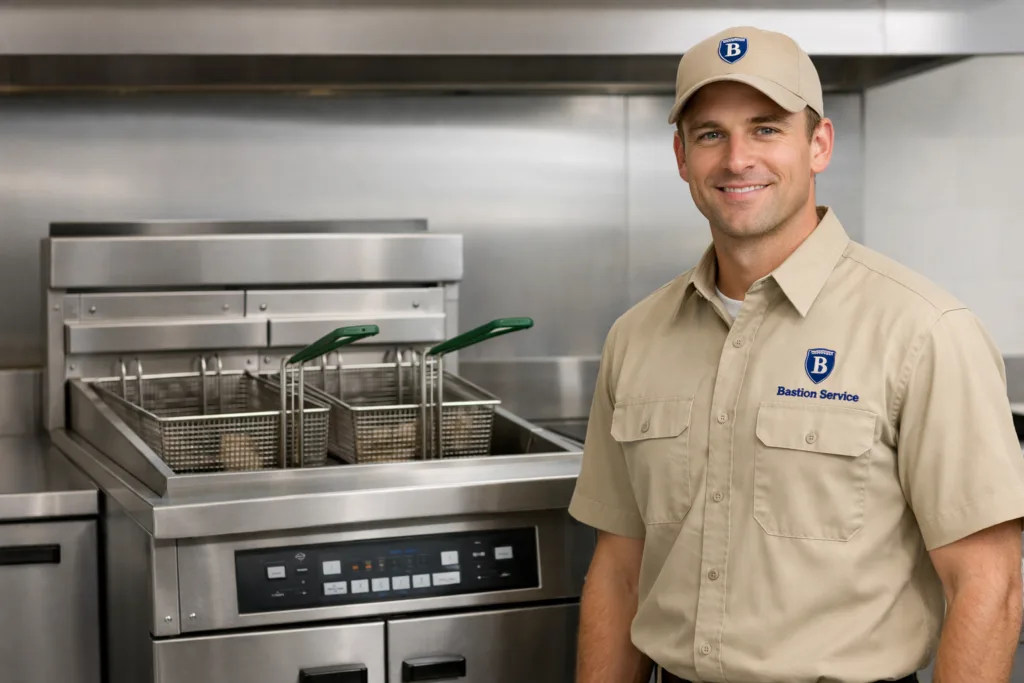




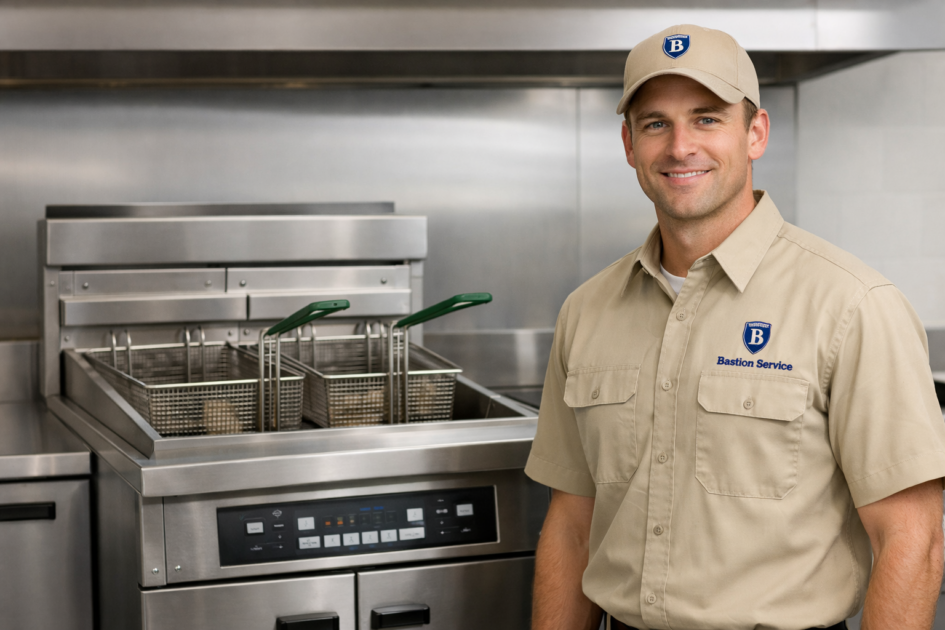
When a Frymaster fryer starts missing temperature, recovering slowly, leaking, or dropping out during a rush, the problem quickly reaches beyond the appliance itself. Ticket times stretch, batch quality becomes inconsistent, and staff begin adjusting around equipment that should be supporting production instead of slowing it down. For businesses in Brentwood, service is most useful when the symptom is matched to the actual failing system so repair scheduling, parts decisions, and downtime planning are based on what the fryer is really doing.
Related commercial service paths in Brentwood include Frymaster Commercial Repair in Brentwood, Commercial Fryer Repair in Brentwood, and Pitco Fryer Repair in Brentwood.
Service-focused Frymaster fryer repair for businesses in Brentwood
Frymaster fryers are built for steady kitchen use, but daily demand puts wear on burners, ignition components, temperature probes, high-limit devices, controls, wiring, valves, and filtration-related parts. A proper repair visit is not just about confirming that the fryer has a problem. It is about identifying whether the fault is tied to heat production, temperature sensing, flame behavior, oil containment, or control response so the next step is appropriate for the unit and the kitchen’s workflow.
Bastion Service helps Brentwood businesses evaluate fryer problems that affect throughput, food consistency, oil life, and safe operation. That matters because a fryer that powers on but will not recover has a very different repair path from one that locks out on ignition or shuts down once it reaches operating temperature.
Why a Frymaster fryer may stop heating or recover temperature slowly
If the fryer is not heating properly, the issue may involve the burner system, ignition sequence, gas flow, probe feedback, high-limit protection, control board behavior, or electrical supply to key components. Similar symptoms can also present differently during preheat and during a heavy cooking cycle, which is why testing under the right conditions matters.
Slow recovery often shows up as delayed basket turns, uneven color from one batch to the next, or a fryer that seems to fall behind as volume increases. In some cases, the fryer reaches set temperature eventually but cannot maintain it once demand rises. In others, it stalls below the target range and never gets where it needs to be. Both conditions point to a performance issue that should be diagnosed before it turns into a full shutdown.
Symptoms that often point to a heating-related repair
- Oil takes much longer than normal to preheat
- The fryer drops too far in temperature after a load
- Recovery is slow between baskets
- The unit cycles on and off without stabilizing
- Set temperature is displayed, but actual cooking results suggest otherwise
Temperature swings, overheating, and uneven cooking results
When a fryer runs too hot, overshoots set temperature, or produces inconsistent batches, the issue may be related to probe accuracy, control calibration, relay or contactor behavior, wiring faults, or a control that is no longer responding consistently. These problems are often first noticed through food quality rather than a visible failure. One batch may finish too dark, the next may appear undercooked, and staff may compensate by changing cook times in ways that create even more inconsistency.
Overheating should be taken seriously. In addition to affecting product quality, unstable oil temperature can shorten oil life and place unnecessary stress on surrounding components. If the fryer is repeatedly running outside its normal range, continuing to operate it can make a contained repair more complicated.
Ignition failure, burner problems, and startup issues
For gas Frymaster units, startup trouble can involve igniters, flame sensing, gas valve operation, airflow issues, burner performance, or a control fault that interrupts the ignition sequence. Sometimes the fryer attempts to light but does not establish flame. In other cases, it lights briefly and drops out, or it enters a lockout condition after repeated failed attempts.
Burner-related problems usually affect more than startup alone. They can also lead to slow heating, unstable recovery, and shutdowns during active use. If staff notice delayed ignition, unusual cycling, or a fryer that behaves differently from one shift to the next, that pattern usually warrants service before the unit is relied on for another busy period.
Common signs of ignition-related trouble
- The fryer will not start heating at all
- Ignition attempts repeat without normal operation
- The burner starts, then shuts off unexpectedly
- The fryer enters a fault or lockout state
- Heat output feels weak even when the unit appears to be running
Error codes, shutdowns, and intermittent operation
Intermittent problems are some of the most disruptive because the fryer may appear normal for part of the day and fail only under load, during warmup, or after it has been running for a while. Error codes, resets, random shutdowns, and inconsistent control behavior can be caused by sensor faults, loose electrical connections, failing boards, safety trips, or components that break down only when heat and load increase.
These faults are rarely solved well by guessing. If the fryer is shutting down during service, resetting itself, or showing repeat control errors, the most useful repair approach is to test the systems that influence real operating conditions rather than replacing parts based only on the code displayed.
Oil leaks and frypot-area concerns
Oil loss should be addressed quickly, even if it starts as a small drip or appears only during certain parts of the day. Depending on the model and leak location, the problem may involve valves, seals, fittings, drain-related components, filtration connections, or wear in the frypot area. What seems minor at first can create cleanup issues, wasted oil cost, safety concerns around the equipment, and avoidable downtime.
If staff are topping off oil more often than expected, noticing residue around the unit, or seeing leaks increase when the fryer is hot, those details help narrow the source. Leak diagnosis is especially important because oil can travel before it becomes visible, making the origin different from where it first appears on the floor or cabinet.
When to schedule repair instead of waiting
Service should be scheduled promptly when the fryer is still operating but showing signs that performance is drifting. That includes slower recovery, burner irregularities, temperature swings, repeat shutdowns, visible leaks, or control errors that come and go. Waiting for total failure often means a more disruptive interruption and fewer options for planning around the downtime.
It is usually best to book service when the fryer is still providing enough symptom information to be tested accurately, but before staff are forced to work around it. A fryer that must be reset repeatedly, monitored constantly, or used only with extra caution is already affecting production even if it has not gone completely offline.
Situations where continued use may worsen the problem
Continued operation can increase risk when the fryer overheats, fails to ignite consistently, leaks oil, trips safety controls, or shuts down unpredictably in the middle of use. In those conditions, more operation can add stress to controls, ignition parts, heating components, and related wiring. It can also lead to product waste, shortened oil life, and a harder repair decision later.
If the unit is producing unstable results and staff are compensating by changing procedures from batch to batch, the fryer is no longer operating in a reliable way. At that point, the repair question is less about convenience and more about protecting workflow and avoiding a larger interruption.
Repair versus replacement considerations
For many businesses in Brentwood, replacement is not the first issue to evaluate. The more immediate question is whether the fryer can be returned to steady, predictable operation with a targeted repair. That is often the case when the fault is limited to a control issue, ignition component, probe problem, valve-related failure, or electrical defect and the rest of the unit remains in sound condition.
Replacement becomes a more realistic discussion when the fryer has multiple recurring failures, significant structural wear, ongoing leak concerns, or a repair scope that no longer aligns with the value of putting that particular unit back into service. A symptom-based diagnosis helps separate an isolated fault from a broader equipment condition problem.
Preparing for a Frymaster fryer service visit
Before service is scheduled, it helps to note exactly how the problem appears. Useful details include whether the fryer fails during preheat or during active cooking, whether the issue affects one vat or the whole unit, whether error codes repeat, and whether the problem started suddenly or worsened over time. If the fryer leaks, overheats, or drops out only under load, that information can make the service visit more efficient.
Staff observations are especially helpful when they describe patterns instead of assumptions. Knowing that the fryer reaches temperature but falls behind after the second or third batch is more useful than simply saying it is not working right. The same is true for ignition faults, shutdowns, and temperature inconsistency.
Practical next steps for Brentwood businesses
If a Frymaster fryer is affecting output, consistency, or safe day-to-day operation, the next step is to schedule diagnosis based on the actual symptom pattern and how the unit is used in the kitchen. The goal is to identify the fault, confirm the scope of repair, and decide whether restoring this fryer is the right move for current operations. For businesses in Brentwood, timely service can help limit downtime, reduce unnecessary parts replacement, and get the equipment back to dependable use with a repair plan that fits the problem.


