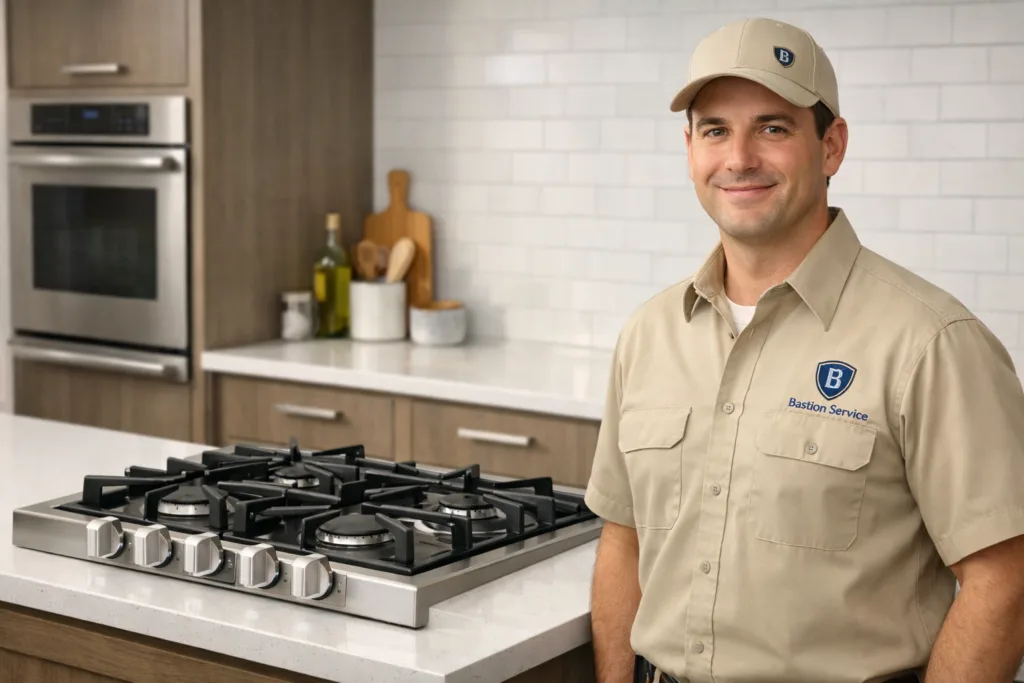
Daily cooking gets harder quickly when a cooktop has a burner that will not heat, an igniter that keeps clicking, or controls that no longer respond the way they should. Many of these symptoms overlap, so the most useful starting point is identifying whether the problem is tied to the heating element, ignition system, switch, wiring, control board, or incoming power.
Common cooktop problems and what they can mean
A burner that stays cold, heats only partway, or runs hotter than expected often points to an electrical control issue or a failing element. On radiant electric cooktops, that may involve the surface element itself, the infinite switch, or a damaged connection beneath the top. If preheating feels unusually slow across more than one zone, the issue can sometimes overlap with broader cooking-equipment performance concerns that homeowners also notice with baking appliances. Oven Repair in Mar Vista
For gas cooktops, one of the most common complaints is clicking without ignition. That can happen when burner caps are out of alignment, ports are clogged, moisture is trapped around the igniter, or the spark system is weakening. If the burner lights but the flame looks uneven or weak, airflow, burner cleanliness, or gas delivery may be affecting cooking consistency.
Intermittent shutdowns, power loss during use, or a tripped breaker deserve prompt attention. Those symptoms may indicate damaged wiring, a shorted component, overheating, or a fault in the control system. On combination cooking setups, homeowners sometimes describe the issue as a single appliance failure when the problem is actually isolated to the cooktop section of a larger unit. Range Repair in Mar Vista
Signs the problem should not be ignored
Some cooktop issues are inconvenient; others create a real safety concern. A burner that will not regulate heat, a control that sticks, visible sparking, or a smell of overheating insulation should all be treated seriously. Cracked glass also deserves quick attention, especially if the surface is still being used for daily cooking.
With gas models, delayed ignition, repeated clicking after the flame appears, or any gas odor means continued use is not a good workaround. With electric models, a burner that stays on after being turned down or off can signal a failed switch or control. If the kitchen setup includes a more traditional cooking surface and oven arrangement, homeowners may describe the appliance as a stove rather than a separate cooktop, but the symptom pattern still matters more than the label. Stove Repair in Mar Vista
Why small symptoms often turn into larger repairs
Cooktop problems rarely fix themselves. A single weak burner can place extra strain on switches and wiring. Repeated ignition attempts can wear down spark components faster. Heat trapped by damaged parts can affect neighboring components under the surface, especially in appliances used multiple times a day.
That is why early service tends to be more practical. Replacing one failed part is often simpler than waiting until the original problem causes additional electrical damage, surface damage, or control failure. The goal is not just restoring heat, but making sure the full cooking surface is operating safely and predictably.
Repair or replace: what usually matters most
For many households, the decision comes down to the exact failed part, the age and condition of the cooktop, and whether the repair cost fits the appliance’s overall value. Repairs are often worthwhile when the issue is limited to an igniter, burner assembly, switch, or wiring connection and the rest of the unit is in solid condition.
Replacement may make more sense when there is extensive glass damage, multiple nonworking burners, recurring electrical faults, or widespread control problems. It also helps to look at the full kitchen layout. In some homes, the cooking issue may be connected to a separate built-in appliance rather than the cooktop itself, particularly when homeowners notice temperature or preheat complaints elsewhere in the cooking wall. Wall Oven Repair in Mar Vista
What a cooktop service visit should focus on
A productive repair visit should start with the actual symptom under normal household use. That usually means checking burner response, ignition reliability, heat regulation, control behavior, and signs of damaged wiring or overheated components below the surface. On gas units, burner alignment, spark strength, and flame pattern are key. On electric units, element operation, switch response, and power delivery are often the main diagnostic points.
Intermittent problems deserve just as much attention as full failures. A burner that works only sometimes, an igniter that clicks on humid mornings, or a control that behaves unpredictably can all signal a part that is close to failing completely. Finding the fault before it worsens helps avoid replacing the wrong component and gives homeowners a clearer repair decision.
Symptoms that usually mean it is time to schedule service
- Burners that do not heat or ignite
- Uneven flame or uneven heating across cookware
- Nonstop clicking or delayed ignition
- Burners that stay too hot or will not regulate properly
- Cracked glass or visible surface damage
- Burning smells, sparking, or breaker trips
- Knobs or touch controls that respond inconsistently
When those symptoms show up in a Mar Vista home, the best next step is usually to stop guessing and have the problem assessed based on how the appliance is actually behaving. A targeted diagnosis makes it easier to understand the risk, the likely repair, and whether restoring the cooktop is the most practical path forward.