
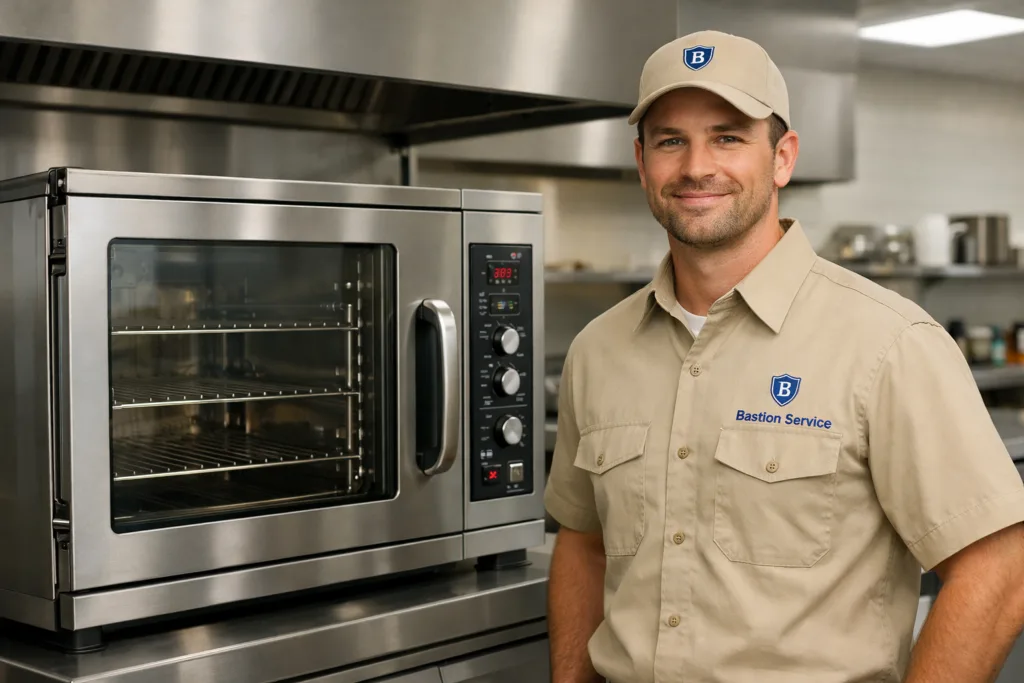





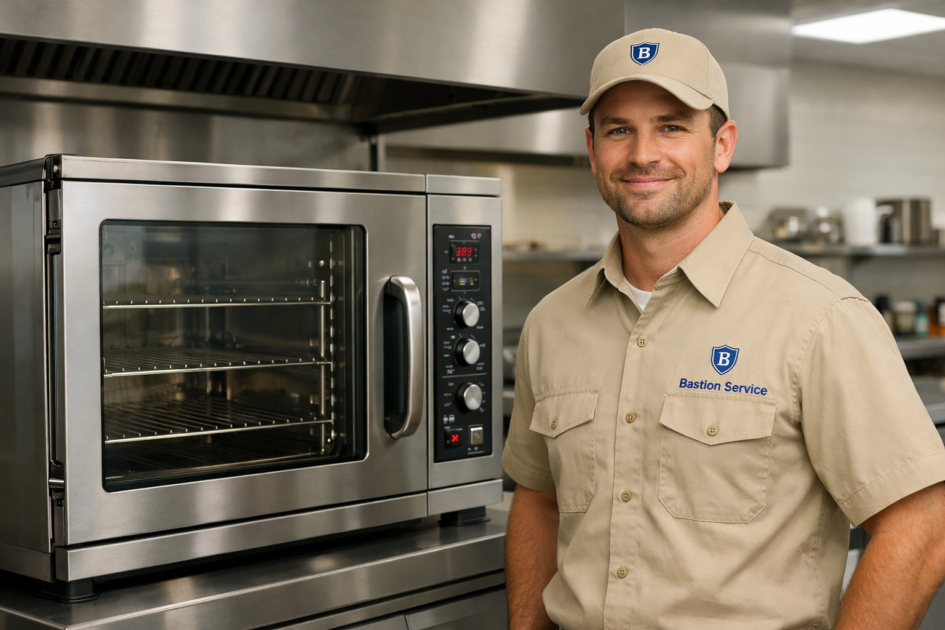
Uneven heating, drifting temperatures, and sudden shutdowns can disrupt prep schedules fast, especially when the oven is tied to batch cooking or time-sensitive service. The same symptom can come from very different failures, so the most useful next step is to separate performance issues from control, ignition, airflow, or power-related problems before deciding on repair scope.
Related commercial equipment paths in Playa Vista include Blodgett Oven Repair in Playa Vista and Southbend Oven Repair in Playa Vista.
Common commercial oven problems and what they often mean
Temperature complaints are among the most common issues in commercial kitchens. When an oven runs too hot, too cool, or cannot hold a steady setpoint, the cause may involve a faulty sensor, thermostat or control failure, calibration drift, weakened heating components, ignition trouble, or heat loss around the door. In daily operation, even a modest temperature error can affect bake consistency, cook times, and product quality.
Slow preheat usually points to declining heat output, burner or element weakness, ignition faults, airflow restrictions, or control problems that prevent the unit from reaching target temperature efficiently. On convection ovens, poor circulation can also create hot spots, uneven browning, or trays that finish at different rates. If the symptom involves oil-based cooking equipment struggling with heat recovery rather than oven chamber temperature, Commercial Fryer Repair in Playa Vista may be the better service path.
If the oven trips breakers, loses power intermittently, shows error codes, or shuts off in the middle of a cycle, the issue may involve wiring, safety components, control boards, relays, or supply conditions. These faults are often more disruptive than a simple heating complaint because they can stop production without warning and may worsen under heavier use.
Symptoms that should not be ignored
Some problems can wait for a scheduled service window, but others should be addressed quickly. Persistent overheating, a burning smell, unstable controls, repeated ignition attempts, or signs of electrical stress all raise the risk of expanded component damage. An oven that still operates but produces inconsistent results can also quietly increase waste, rework, and timing problems across the line.
- Food finishing too early or too late despite the same programmed settings
- Preheat taking noticeably longer than normal
- Fan noise, rattling, or airflow that sounds irregular
- Temperature swings during a single cooking cycle
- Control display errors, resets, or unresponsive inputs
- Door seal wear that lets heat escape
How commercial oven repair decisions are usually made
In Playa Vista, the decision is often less about whether the oven can be turned back on and more about whether it can return to reliable service. A targeted repair makes sense when the problem is isolated to a replaceable component and the rest of the unit remains in solid working condition. Replacement becomes more likely when there are repeated failures, extensive internal wear, major control issues, or repair costs that no longer match the oven’s remaining service life.
Early service also improves the odds of finding intermittent faults. A unit that fails only during long cycles, at higher temperatures, or under peak demand can be harder to diagnose once the symptom becomes constant or causes secondary damage. Addressing the issue when the pattern is still clear often leads to a more efficient repair plan and fewer surprises.
What a useful service visit should clarify
A worthwhile diagnosis should explain what is failing, how that failure is affecting performance, whether the oven can be used safely before repair, and what the next practical step looks like. There is a meaningful difference between a unit that simply needs calibration and one with unstable controls, weak heat output, intermittent shutdowns, or ignition faults that can escalate during production.
For business operators, that distinction matters because downtime planning depends on it. If the fault is limited and predictable, repair may restore the oven with minimal interruption. If the equipment is unreliable across multiple functions, the better decision may be to limit use, adjust production temporarily, and plan for a broader corrective repair or replacement.
Why timely repair matters for kitchen workflow
Commercial ovens affect more than one station. When cook times become unreliable or temperature recovery slows, staff often compensate manually by rotating pans, extending cycles, or changing batch sizes. Those workarounds can keep service moving for a short time, but they usually create inconsistency and put more pressure on surrounding equipment and labor.
Prompt attention helps protect product quality, reduce avoidable waste, and keep scheduling more predictable. For kitchens in Playa Vista that depend on steady oven performance, the value of repair is not just getting heat back, but restoring dependable output that supports daily operations.


