
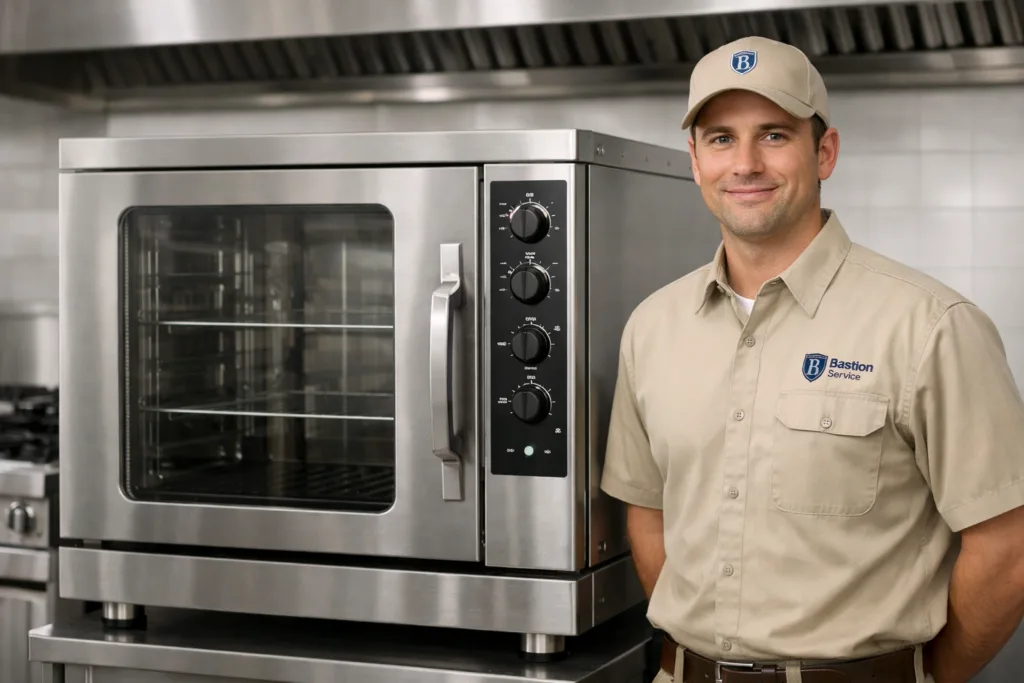




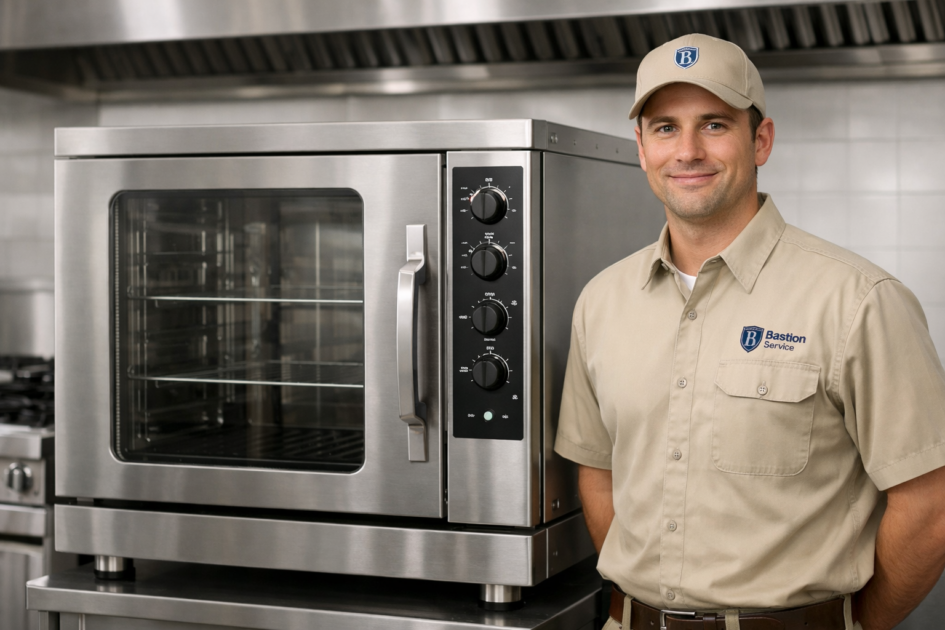
Temperature accuracy is what usually separates a minor oven issue from a problem that disrupts the entire kitchen. When baking results start varying from tray to tray, or the same recipe suddenly needs different cook times, the fault may involve heating elements, igniters, temperature sensors, relays, control boards, airflow, or heat loss around the door. In a commercial setting, those symptoms are worth addressing early because inconsistent performance can affect food quality, labor timing, and overall station reliability.
Related commercial equipment paths in Pico-Robertson include Blodgett Oven Repair in Pico-Robertson and Southbend Oven Repair in Pico-Robertson.
Signs a commercial oven needs attention
Some oven failures are obvious, such as a unit that will not heat at all, but many service calls begin with subtler warning signs. Slow preheat, uneven browning, hot and cold spots, temperature overshoot, and poor recovery between batches often point to a system that is still operating but no longer operating correctly. The longer that kind of problem continues, the more likely it is to create waste, delays, and repeat checks from staff trying to compensate during service.
Control-related symptoms matter too. If the display is blank, buttons are unresponsive, settings reset unexpectedly, or the oven shuts down in the middle of a cook cycle, the issue may be electrical rather than purely heat-related. In Pico-Robertson commercial kitchens, these intermittent problems can be especially disruptive because they often appear under heavier production loads rather than during a quick idle test.
What uneven heat and slow preheat may indicate
Uneven cooking does not always mean the whole oven is failing. In many cases, the problem is tied to one part of the heating circuit or to poor heat circulation inside the cavity. A weak igniter, failing element, inaccurate sensor, damaged gasket, or restricted airflow can all change how heat builds and distributes. When preheat takes longer than normal, that may also suggest the oven is working harder than it should to reach set temperature.
If the symptom involves burner heat and oil temperature recovery at the same cooking station, Commercial Fryer Repair in Pico-Robertson may be the better service path. That distinction matters in busy kitchens where multiple hot-line appliances are used side by side and staff may notice a heat-performance issue before they can tell which machine is actually causing it.
Ignition, gas, and electrical concerns
Gas ovens that click repeatedly, ignite late, or light inconsistently should be inspected before they return to regular production. Delayed ignition can affect both safety and cooking performance, especially when the unit is expected to cycle on and off throughout the day. Electric ovens with breaker trips, burnt smells, or sudden shutdowns may have wiring faults, failing relays, shorted components, or overheating issues that should not be ignored.
A strong gas odor should always be treated as a safety issue first. Stop using the equipment, clear the area if needed, and contact the gas utility or emergency service before arranging appliance repair. Once immediate safety concerns are ruled out, the oven can be evaluated for the source of the ignition or heating fault.
When continued use creates bigger problems
Many businesses keep an oven in service as long as it still produces some heat, but partial operation can be misleading. A unit that drifts above or below the set temperature may overwork heating components and controls while still turning out inconsistent product. A worn door seal can lengthen run times, increase energy use, and force the oven to cycle more aggressively. Repeated resets, recurring error codes, and overheating cabinets can also point to faults that tend to get worse with continued use.
Early service is often less disruptive than waiting for a full shutdown. Addressing the problem while the symptoms are still specific can make the repair path more direct and help avoid secondary damage from prolonged strain.
Repair or replace?
Replacement is not automatically the best answer just because an oven has become unreliable. Repair is often the practical choice when the problem is limited to serviceable parts and the equipment still matches the kitchen’s production needs. Replacement becomes more likely when breakdowns are recurring, temperature performance remains unstable after prior work, parts support is limited, or downtime costs are starting to outweigh the value of keeping the unit in operation.
The decision usually comes down to a few operational questions: how often the oven is used, whether the fault is isolated or system-wide, how much product loss the issue is causing, and whether the kitchen can tolerate another interruption if the problem returns. For many businesses, the real cost is not just the repair itself but the effect on scheduling, consistency, and throughput.
What to note before scheduling service
A short record of the symptoms can make diagnosis faster. Helpful details include whether the issue happens during preheat or only after the oven has been running for a while, whether all cooking modes are affected, whether temperatures run consistently high or low, and whether the fault appears at the same point in the day. Error messages, unusual noises, visible sparking, delayed ignition, and repeated manual resets are all useful clues.
It also helps to note whether the problem affects one compartment, one rack area, or every load the same way. That kind of pattern can help separate a sensor or airflow issue from a broader control or heating failure. For Pico-Robertson operations trying to protect uptime, the goal is not only to restore heat but to restore repeatable cooking performance the kitchen can rely on during daily service.


