
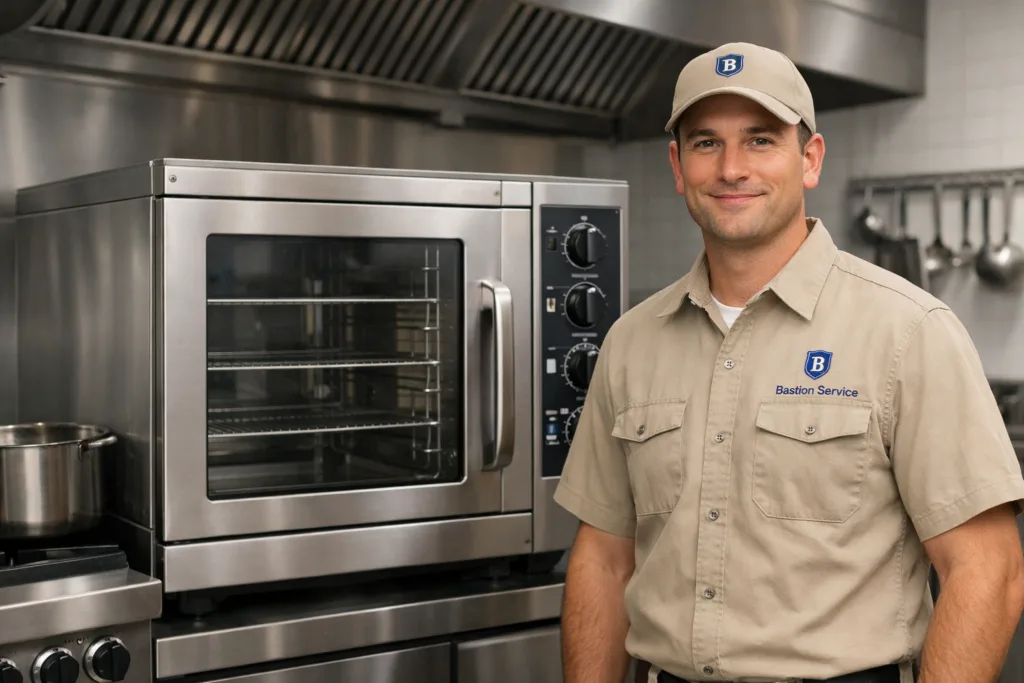




Commercial oven problems that interrupt workflow
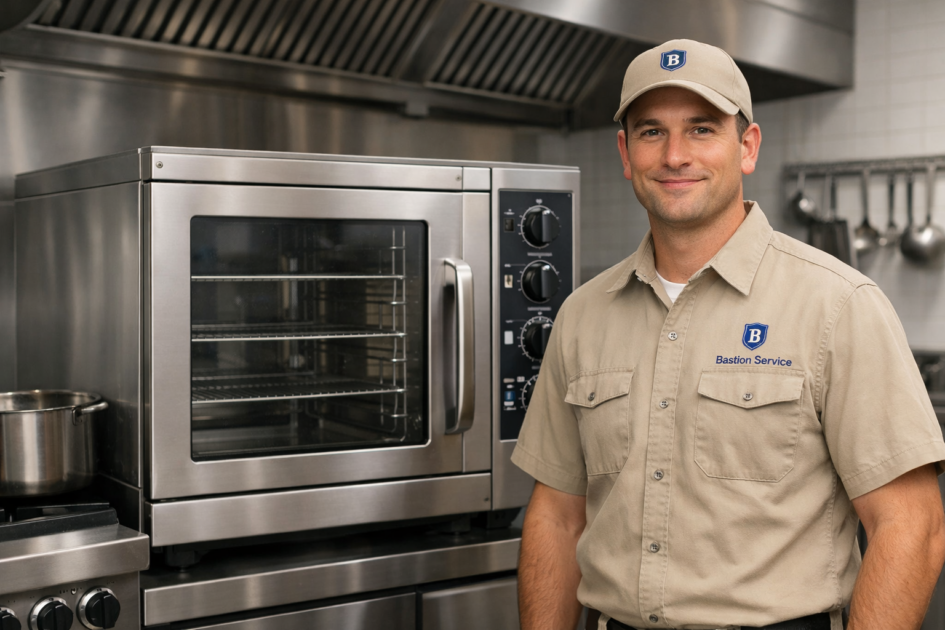
When an oven starts missing temperature targets, baking unevenly, or shutting down during service, the impact shows up quickly in ticket times, batch consistency, and staff efficiency. Similar symptoms can come from different faults, so it helps to separate heating problems, control problems, airflow issues, and ignition-related failures before deciding on next steps.
Related commercial equipment paths in Brentwood include Blodgett Oven Repair in Brentwood and Southbend Oven Repair in Brentwood.
In Brentwood, businesses often call for service when an oven runs cool, overshoots the set temperature, takes too long to preheat, or recovers slowly between cycles. Those symptoms may point to worn heating elements, burner problems, sensor drift, thermostat issues, circulation faults, damaged door seals, or control failures. A unit that still turns on is not necessarily operating correctly under production demand.
What common oven symptoms can mean
Slow preheat or weak heating output
If preheat times keep getting longer, the oven may be heating with only part of its normal output. One stage of heat may have failed, a gas ignition sequence may be incomplete, or the temperature sensor may be feeding inaccurate information to the control system. Kitchens usually notice this as delayed batches, inconsistent browning, or the need to extend cook times to reach acceptable results.
Uneven baking or hot and cold spots
When products finish differently on separate racks or one side of the cavity cooks faster than the other, airflow and heat distribution should be checked closely. Fan issues, weak elements, burner distribution problems, insulation loss, warped doors, or worn gaskets can all contribute to uneven performance. Even before a full breakdown, this kind of drift can create waste, remakes, and avoidable quality complaints.
Ignition trouble, shutdowns, or inconsistent cycling
An oven that powers on but does not start a proper heating cycle may have an ignition fault, relay issue, safety interruption, wiring problem, or control board failure. Intermittent shutdowns are especially disruptive because they make output planning unreliable and can lead staff to restart the unit repeatedly during a shift. If the same kitchen is also having trouble keeping oil at cooking temperature, Commercial Fryer Repair in Brentwood may be the better service path for that separate heat-line issue.
Signs the problem is getting worse
Some equipment faults begin as small performance changes and then become larger uptime problems. Watch for temperature swings that are becoming more frequent, longer recovery times between loads, repeated error codes, breaker trips, unusual fan noise, or doors that no longer close tightly. These changes often mean adjacent components are being stressed as the oven struggles to maintain normal operation.
Another warning sign is when staff start building workarounds around the equipment. Rotating pans more often, avoiding certain menu items, increasing bake times, or running smaller loads to compensate may keep production moving for a while, but those adjustments usually indicate the oven is no longer performing predictably.
When to stop using the oven
If the unit cannot hold temperature, shuts off in the middle of a cycle, or behaves unpredictably under normal commercial use, it is usually best to pull it from service until the fault is identified. Continued operation can worsen damage to controls, motors, relays, heating components, and safety parts.
For gas-equipped ovens, any persistent gas odor should be treated as a safety concern first. Stop using the appliance, follow site safety procedures, and contact the gas utility or emergency responders as needed before arranging appliance repair. Safety issues should always come before production concerns.
Repair or replace?
Replacement is not the automatic answer when a commercial oven starts failing. Many problems are still repairable when the fault is isolated, the cabinet and core structure remain sound, and the unit still matches the kitchen’s production needs. Heating components, sensors, switches, motors, igniters, and some control-related parts can often restore stable performance when the rest of the equipment is in good condition.
Replacement becomes more likely when the oven has multiple failing systems, severe heat damage, recurring electronic faults, poor parts availability, or repair costs that no longer make sense compared with the unit’s remaining service life. For businesses in Brentwood, the better decision is usually the one that returns the kitchen to consistent output rather than simply getting the machine to run again for the short term.
Why symptom-based diagnosis matters
Two ovens can show the same complaint and still need very different repairs. A unit that runs cold may have a failed element, a misreading sensor, a weak igniter, poor gas delivery, or a control issue. An oven that seems to overheat may actually be cycling incorrectly because of feedback errors rather than producing too much heat continuously.
That is why symptom patterns matter. Whether the problem appears during startup, only after the cavity gets hot, only under heavy load, or only at certain setpoints can help narrow down the failed system and reduce unnecessary part changes. For a busy commercial kitchen, that approach supports a faster path back to dependable operation.
Service priorities for Brentwood businesses
The main goal is to restore repeatable cooking performance, protect product quality, and reduce avoidable downtime. That means looking beyond whether the oven technically powers on and focusing on how it performs during actual production. Consistent heat, stable controls, proper recovery, and safe operation are what matter most in day-to-day commercial use.
For businesses in Brentwood, timely oven service can help prevent small performance issues from turning into schedule disruptions, labor inefficiency, and product inconsistency across the kitchen.


