
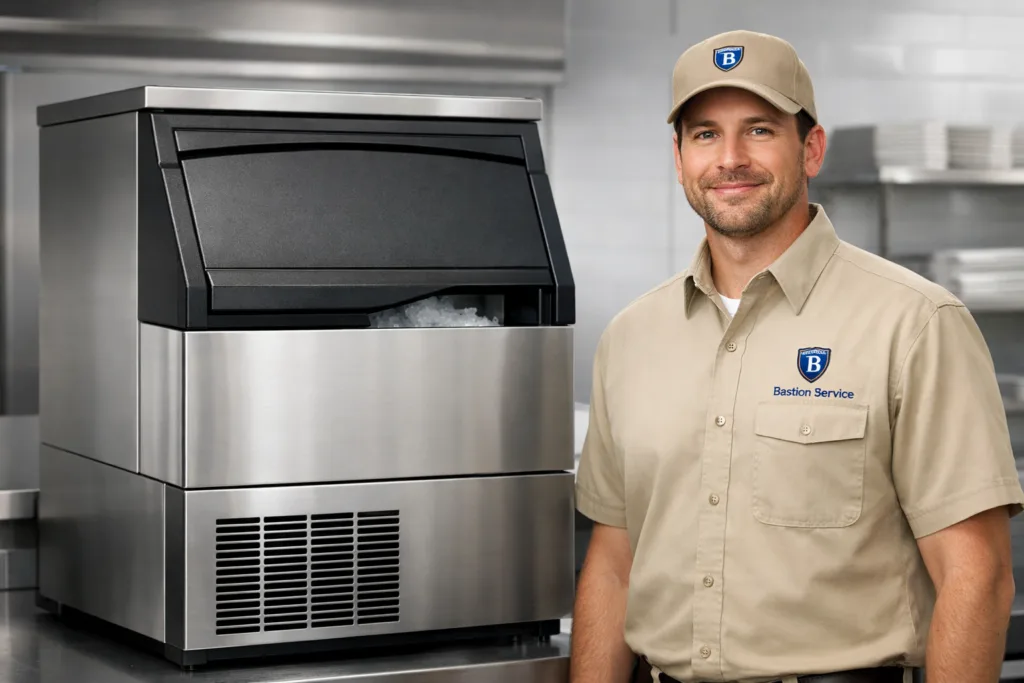




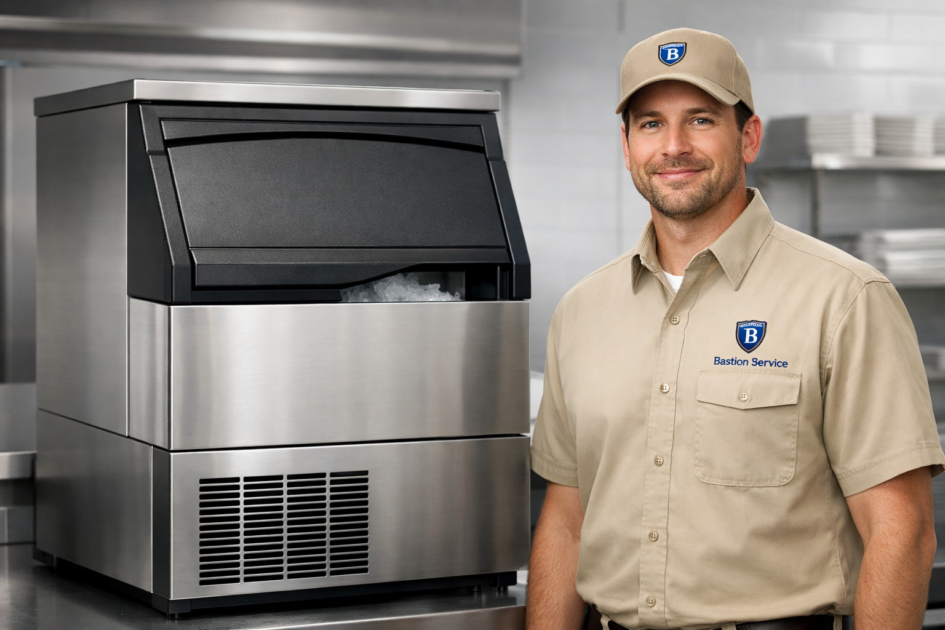
Commercial ice machine problems tend to affect operations quickly. When ice output falls, cubes become inconsistent, or the unit starts leaking, the issue can disrupt beverage service, food handling, staff workflow, and customer experience long before the machine fully stops.
Related commercial equipment paths in Palos Verdes Estates include Hoshizaki Ice Machine Repair in Palos Verdes Estates.
Common commercial ice machine problems and what they may indicate
Low ice production is one of the most frequent service concerns, but the underlying cause can vary. A machine that runs continuously yet produces less ice may have restricted water flow, mineral buildup, poor condenser airflow, a failing inlet valve, sensor issues, or refrigeration performance problems that delay the freeze and harvest cycle.
If the machine is making small cubes, hollow cubes, slushy ice, or soft batches that melt too quickly, water fill and temperature performance usually need to be evaluated together. Treating it as only a water issue or only a cooling issue can miss the actual failure pattern.
Leaks, bin melt, and wet ice often point to drain restrictions, poor sealing, an uneven freeze cycle, or a harvest process that is not completing properly. Intermittent shutdowns may be tied to safety limits, high head pressure, dirty condensers, control faults, or inconsistent incoming water conditions. Unusual grinding, clicking, buzzing, or long run times can signal component strain that should be addressed before the machine goes fully offline.
When ice quality and sanitation overlap
Not every service call is only about production volume. Scale, biofilm, restricted water paths, and poor drainage can affect both output and ice quality. Cloudy ice, odor complaints, or inconsistent batch appearance may mean the inspection needs to include pumps, water distribution parts, sensors, drains, and cold-side operation rather than assuming the machine just needs a simple cleaning.
Symptoms that should not be ignored
A commercial ice machine usually needs service when output drops below normal demand, the machine requires repeated resets, water appears around the unit, or the equipment begins cycling irregularly. Delaying service can allow a manageable valve, sensor, pump, or airflow issue to develop into a larger control or refrigeration failure.
If the unit is still running but struggling, that is often the most useful time to have it inspected because the failure pattern is still active. If the machine has stopped completely, is tripping protections, or is producing no usable ice during business hours, diagnosis should focus on whether the fault is rooted in water supply, electrical controls, heat rejection, or the sealed cooling system.
Water supply, fill, and drainage issues
Ice machines depend on stable water delivery and proper drainage. Slow fill, overfilling, hollow cubes, or no ice at all can come from inlet valve problems, clogged filters, scale buildup, pressure irregularities, or float and sensor faults. Water that cannot drain correctly may create standing water, bin melt, or repeated shutdowns that look like separate issues but share the same source.
Because many businesses rely on continuous production, even a minor water-related fault can create uneven ice quality through the day. That is especially true when a machine appears normal during one cycle and then falls behind during peak demand.
Cooling system and airflow concerns
Commercial ice production depends on more than just freezing water. Dirty condensers, blocked airflow, failing fan motors, refrigerant-side issues, and temperature control problems can all slow freeze times and reduce harvest consistency. A machine may still make some ice while no longer recovering at the rate the business expects.
If cooling problems are centered in the freezer compartment of a combination unit or nearby frozen storage is also failing to recover temperature, Commercial Freezer Repair in Palos Verdes Estates may be the better service path for that equipment while the ice machine issue is diagnosed separately.
In some facilities, an ice machine problem can also appear alongside warm prep storage, inconsistent reach-in temperatures, or broader heat rejection problems in the kitchen. If those symptoms are showing up in refrigerated holding equipment too, Commercial Refrigerator Repair in Palos Verdes Estates may be more relevant for that part of the problem.
Repair versus replacement considerations
Repair is often the right choice when the cabinet and core structure remain sound and the fault is limited to serviceable parts such as valves, pumps, fan motors, sensors, switches, controls, or maintenance-related restrictions. A targeted repair can restore output and help avoid unnecessary disruption when the machine is otherwise a good fit for the workload.
Replacement becomes a more serious consideration when the machine has chronic repeat failures, major sealed-system issues, heavy deterioration, sanitation problems that are difficult to correct, or downtime risk that no longer matches the operation. Age alone does not decide the issue as much as reliability, recovery time, parts condition, and whether the equipment can consistently support demand after service.
What businesses in Palos Verdes Estates should expect from service
A productive service visit should start with symptom confirmation and operating-condition checks, followed by inspection of water delivery, drainage, airflow, controls, and refrigeration performance. The goal is to identify the fault that is actually interrupting production, explain whether continued operation risks further damage, and determine whether repair is likely to restore dependable output.
For businesses in Palos Verdes Estates, that process matters because the most expensive part of an ice machine problem is often the operational interruption around it. A focused diagnosis helps management make better decisions about repair timing, parts approval, and whether the machine can return to stable day-to-day use.


