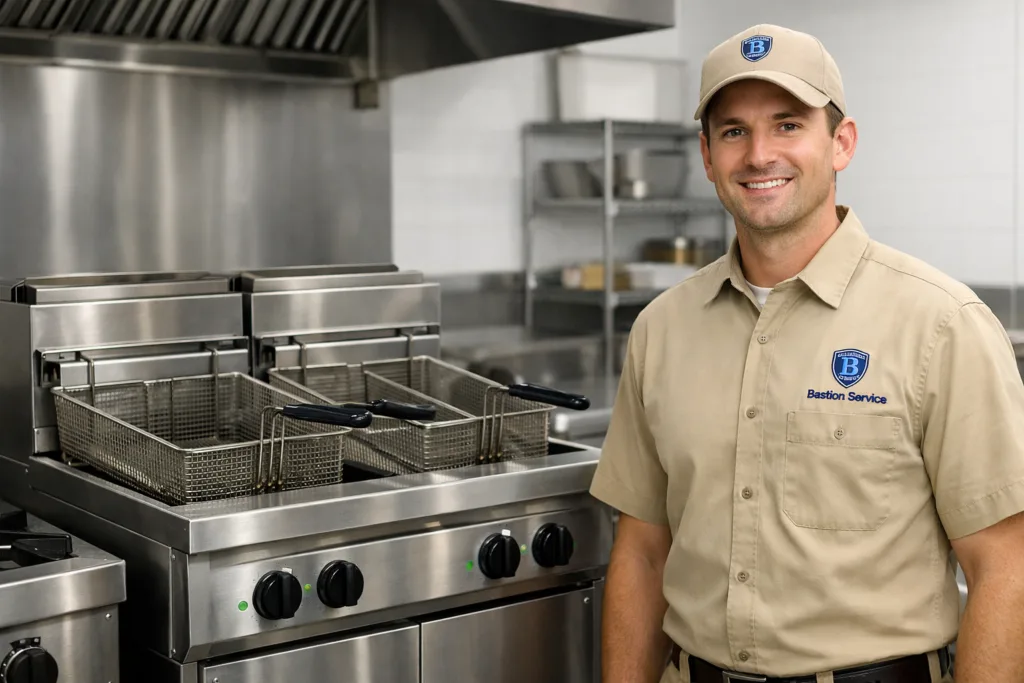




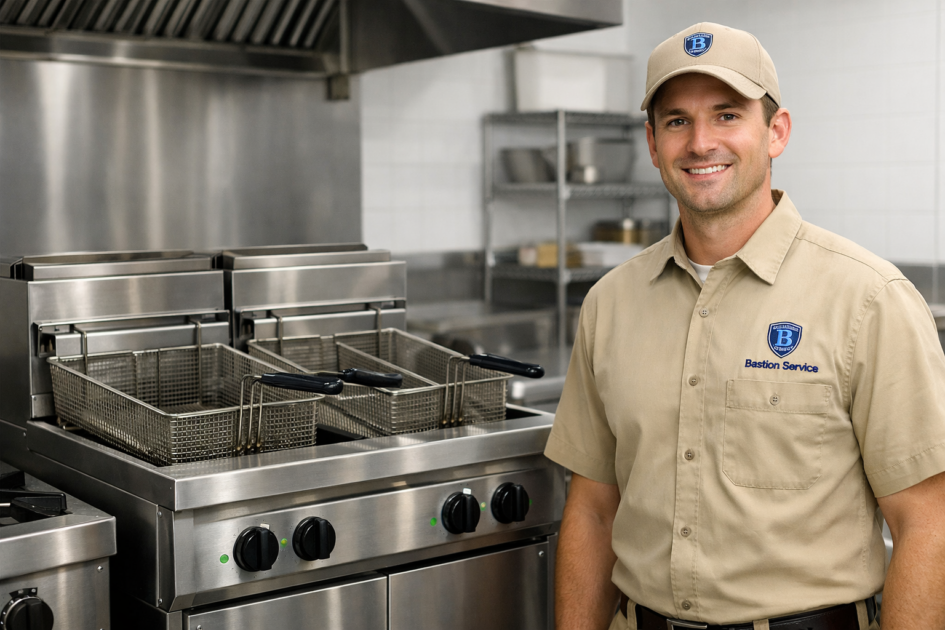
Unstable fryer performance can interrupt prep timing, slow ticket flow, and create waste when oil temperature is no longer staying where it should. In a commercial kitchen, the same outward symptom can come from very different causes, including ignition trouble, failed heating components, sensor drift, high-limit trips, control faults, restricted gas flow, or electrical supply issues. That is why troubleshooting needs to focus on how the fryer is actually behaving under load rather than on one assumption based on the first complaint.
Related commercial equipment paths in Rancho Park include Frymaster Fryer Repair in Rancho Park and Pitco Fryer Repair in Rancho Park.
Commercial fryer issues that commonly disrupt service
Some units stop heating altogether. Others power on but recover too slowly between batches, causing inconsistent cook times and pressure on the line during busy periods. Another common pattern is a fryer that appears to heat normally at first, then begins cycling erratically, overshooting temperature, or shutting down partway through service.
These symptoms often point to problems with thermostats, temperature probes, control boards, contactors, gas valves, ignition assemblies, burners, safety limits, or wiring connections. Slow recovery may also be linked to oil condition, residue buildup, ventilation-related strain, or components that can no longer maintain stable heat under normal production demand.
No heat, weak heat, or long recovery times
A fryer that will not heat at all may have a failed ignition sequence, electrical interruption, tripped safety component, or control problem preventing normal operation. Weak heat or slow recovery is different. In those cases, the fryer may still run, but not well enough to support batch cooking without temperature drop-off. That can lead to longer cook times, uneven product results, and unnecessary stress on staff trying to compensate during peak hours.
If the symptom involves burner heat and oven temperature problems elsewhere on the line, Commercial Oven Repair in Rancho Park may be the better service path for that separate cooking station.
Temperature swings and overheating
Oil that runs too cool can affect texture, cook time, and throughput. Oil that overheats can damage product quality and shorten oil life. Temperature swings usually suggest an issue with sensing, controls, calibration, or component response rather than a simple operating adjustment. A fryer that repeatedly overshoots set temperature or trips its high-limit should not be treated as a minor nuisance, because those shutdowns often indicate a control or safety problem that needs direct inspection.
Ignition failure and repeated shutdowns
Gas fryers that fail to ignite, lose flame, or shut down after startup may be dealing with ignition module faults, flame-sensing problems, gas delivery issues, dirty burners, or safety interruptions. Repeated resets are rarely a real fix. If a unit must be restarted throughout the day to stay in service, that usually means the failure is progressing and could lead to more disruptive downtime at the worst possible moment.
What leaks, smoke, and odor symptoms can mean
Oil leaks are not all the same. A visible leak may come from the drain valve, a loose fitting, filtration hardware, line connections, or a more serious tank-related problem. The source matters because some leaks are straightforward service items while others raise bigger questions about continued safe use.
Smoke during normal operation may point to overheated oil, contaminated oil, residue buildup, or combustion issues. Unusual odor around a fryer should always be taken seriously. If staff notice a gas smell near the unit, the fryer should be removed from use and handled through proper safety procedures before any attempt is made to keep it running through the shift.
Why proper diagnosis matters before approving repair
A fryer can show one symptom while the root cause is somewhere else in the system. For example, a unit that seems to have a thermostat problem may actually be dealing with a sensor fault, failing control board, unstable power supply, weak ignition, or a high-limit issue. Replacing parts too quickly without verifying the fault can increase cost without restoring reliable operation.
Good commercial service starts with symptom verification, operating checks, and fault isolation based on the actual complaint. That approach helps determine whether the issue is repairable within a reasonable scope, whether additional safety concerns are present, and whether the equipment is likely to return to dependable use after the recommended work is completed.
When to stop using the fryer and schedule service
Service should be scheduled promptly when the fryer does not reach set temperature, takes too long to recover, overheats oil, trips off during use, leaks oil, fails ignition, shows repeat error conditions, or behaves differently from one shift to the next. Continued use can make the problem worse when operators begin adjusting cook times, changing temperature settings repeatedly, or restarting the machine just to get through service.
It also makes sense to stop operation when controls are unresponsive, shutdowns become frequent, or heat consistency is no longer good enough for normal production. In Rancho Park commercial kitchens, small fryer problems tend to become larger workflow problems quickly because batch timing and recovery performance affect everything downstream.
Repair versus replacement considerations
Repair is often the practical choice when the fault is limited to controls, probes, ignition parts, valves, contactors, switches, wiring repairs, or other serviceable components. In those cases, the important question is whether the fryer can return to stable commercial performance after the repair, not simply whether a part can be changed.
Replacement becomes a more serious conversation when there is major structural deterioration, chronic repeat failure, severe tank damage, mounting repair costs, or a pattern of downtime that no longer fits the demands of the kitchen. Age matters less than overall condition, repair history, parts availability, and the likelihood of continued interruptions after the current issue is addressed.
What businesses in Rancho Park should expect from fryer service
A useful service visit should identify how the fryer fails, what systems are involved, and whether the recommended repair supports normal commercial use instead of only restoring temporary operation. That includes checking heating performance, response time, safety circuits, controls, and the specific conditions under which the complaint shows up.
For businesses in Rancho Park, the goal is to return the fryer to predictable operation with a service recommendation that matches the equipment’s condition and the kitchen’s daily workload. When the diagnosis is handled correctly, decision-making becomes much simpler: proceed with repair, take the unit out of service for safety reasons, or plan for replacement if reliability is no longer there.