
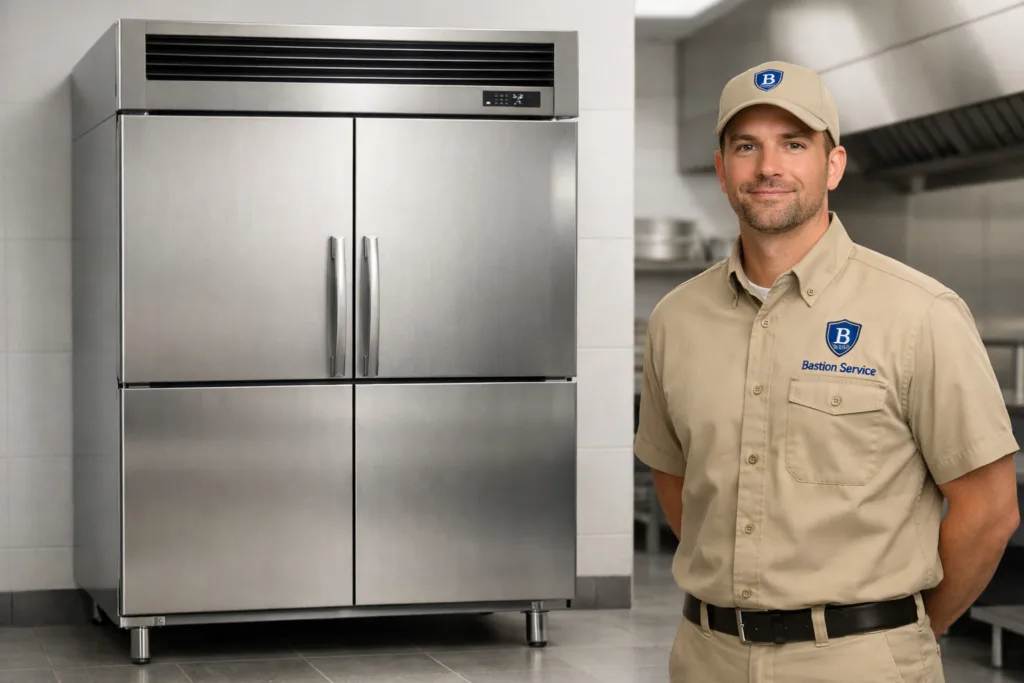




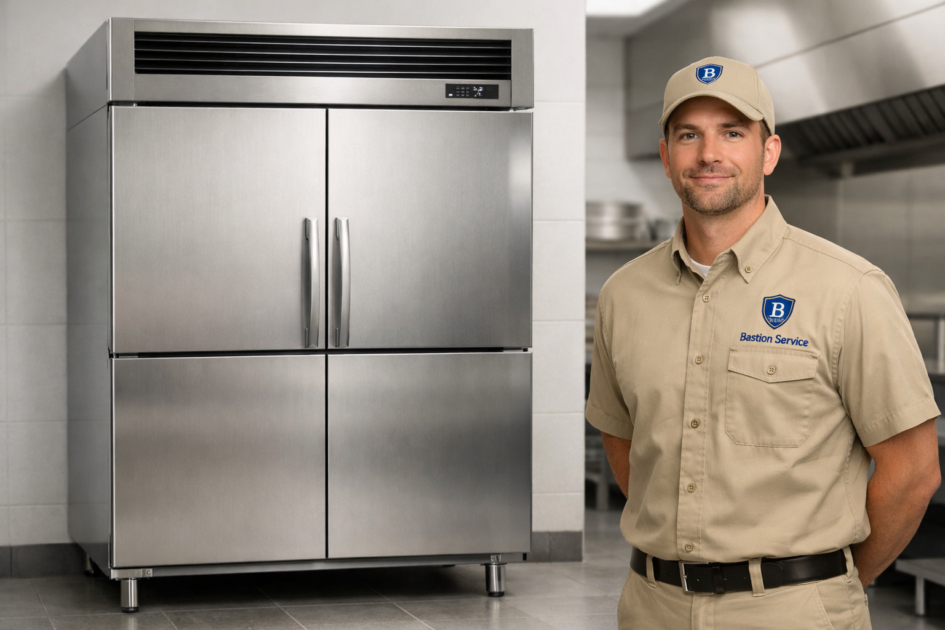
Temperature problems in a commercial freezer rarely stay isolated for long. Once storage conditions begin drifting, staff often end up rotating product, checking temperatures more often, and working around a unit that no longer supports normal service. In Sawtelle, that can mean avoidable product loss, slower prep, and added pressure on daily operations if the cause is not identified early.
Related commercial equipment paths in Sawtelle include Beverage-Air Freezer Repair in Sawtelle.
Commercial freezer issues that deserve prompt attention
A freezer that runs warm, struggles to recover after door openings, or holds uneven temperatures may be dealing with restricted airflow, dirty condenser components, fan motor trouble, control faults, sensor errors, or sealed-system problems. Similar symptoms can look alike from the outside, so the value of service is in separating maintenance-related issues from component failures that affect long-term reliability.
Frost buildup is another common warning sign. Ice on interior panels, around the door, or across evaporator areas can point to warm-air intrusion, gasket failure, a defrost problem, or poor drainage. As frost thickens, airflow drops and the cabinet has to work harder to maintain temperature, which can push a manageable repair into a more disruptive outage.
Leaks, unusual noises, and nonstop running should also be taken seriously. Water around the unit may come from a blocked drain or defrost overflow. Buzzing, grinding, or rattling can suggest fan wear, loose components, or compressor stress. When a freezer runs continuously without reaching set temperature, the equipment is already signaling that normal operating conditions have changed.
How to read the symptoms before they spread
Running, but not holding freezing temperatures
If the cabinet has power but product is softening or internal temperatures are climbing, the problem may involve evaporator airflow, condenser efficiency, temperature sensing, door sealing, or refrigerant performance. Slow pull-down times and weak recovery after loading are especially important in commercial settings because they can affect both product quality and workflow.
Freezer-compartment issues can also overlap with nearby refrigeration equipment. If the cooling loss is centered more on fresh-storage sections or shared reach-in refrigeration rather than frozen inventory, Commercial Refrigerator Repair in Sawtelle may be the better service path.
Frost buildup, ice, and restricted airflow
When frost starts collecting on shelves, door frames, or evaporator covers, the root cause is often more than simple humidity. Damaged gaskets, doors left slightly open, defrost heater faults, failed timers or sensors, and drainage problems can all create repeat ice formation. In busy commercial environments, that buildup reduces usable space and makes cabinet temperatures less consistent from top to bottom.
If the issue includes poor temperature recovery along with visible ice around evaporator sections, service should focus on whether airflow is blocked and whether the defrost cycle is completing correctly. Addressing frost early can prevent fan damage, reduce compressor strain, and help avoid a full shutdown during service hours.
Water leaks, fan noise, and erratic cycling
Water on the floor is not just a housekeeping problem. It may indicate defrost water that is not draining properly, ice melt from temperature loss, or a cabinet condition that is allowing excess moisture inside. At the same time, rattling or grinding sounds often point to fan blade interference, worn motors, or loose mounting hardware that can worsen if the unit keeps operating under load.
Short cycling can be tied to controls, sensors, ventilation problems, or electrical faults. A freezer that starts and stops too often may still appear functional, but repeated cycling increases wear and can produce unstable storage conditions that are hard for staff to catch in time.
When the problem may involve another cold-side system
Not every ice-related complaint starts in the freezer itself. If staff are reporting reduced ice production, poor cube formation, fill problems, or water-supply concerns tied to the ice system, Commercial Ice Machine Repair in Sawtelle may be more relevant than freezer service.
That distinction matters in commercial kitchens and service areas where multiple refrigeration appliances operate side by side. A freezer may be holding product correctly while a separate refrigerator or ice unit is creating the operational bottleneck. Looking at the symptom pattern first helps direct service to the equipment that is actually causing downtime.
Repair versus replacement in a commercial setting
Repair is often the better option when the cabinet structure remains sound, the issue is limited to a specific subsystem, and the equipment still fits the needs of the operation. Fan motors, controls, sensors, gaskets, defrost components, drainage issues, and airflow-related faults are all examples of problems that may justify service when the rest of the unit is in solid condition.
Replacement becomes more likely when the freezer has a history of repeat failures, chronic temperature instability, multiple major component issues, or downtime costs that now outweigh the value of keeping the unit in service. The decision should account for age, parts availability, operating demands, and how critical that freezer is to daily production or storage.
When continued use can make the situation worse
Keeping a freezer in operation while it is running warm, icing over heavily, or cycling abnormally can increase both product exposure and equipment damage. Compressor stress, blocked airflow, moisture intrusion, and electrical strain tend to build on themselves when the underlying fault is left unresolved.
For businesses in Sawtelle, the goal is not simply to get the cabinet running again for the moment. It is to identify why temperature control changed, understand whether the issue is isolated or systemic, and make a service decision that protects inventory, supports staff, and restores stable freezer performance.


