
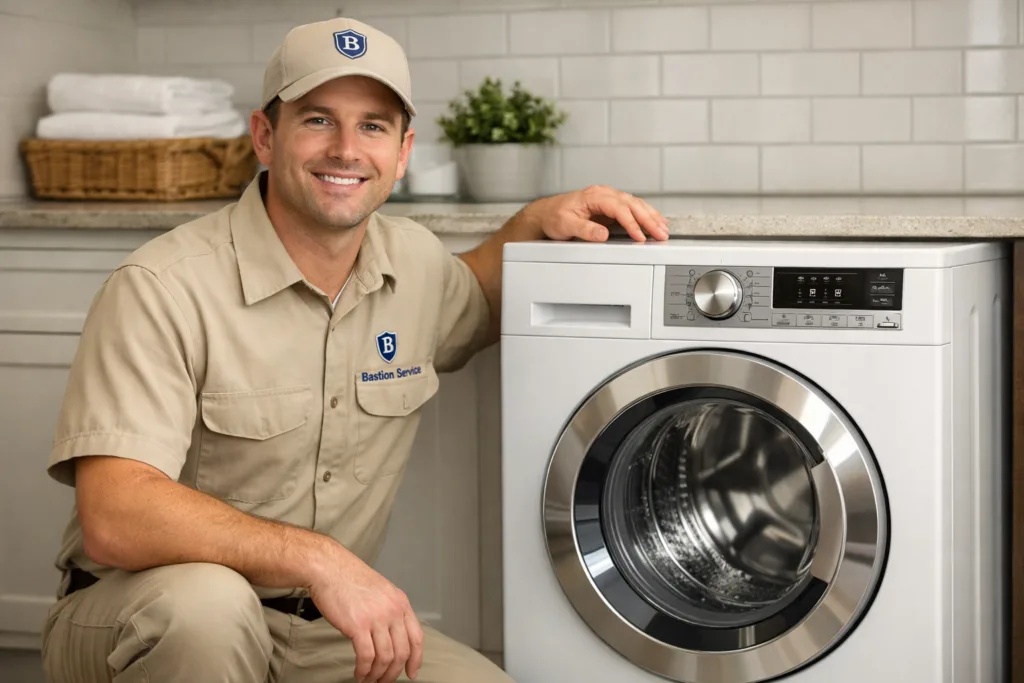




Many Blomberg appliance problems start with one visible symptom, but the underlying cause can be somewhere else in the system. A refrigerator that feels warm may be dealing with airflow loss rather than a compressor issue. A washer that stops before spin may have a drain problem, a door-lock fault, or an imbalance condition. Looking at the full symptom pattern usually leads to a better repair decision than replacing parts based on a first impression.
For specific Blomberg appliance paths in Pico-Robertson, review Blomberg Refrigerator Repair in Pico-Robertson, Blomberg Freezer Repair in Pico-Robertson, and Blomberg Washer Repair in Pico-Robertson.
How to read the symptom pattern before scheduling service
Before a repair visit, it helps to notice whether the problem is constant or intermittent, whether it appeared suddenly or got worse over time, and whether the appliance still powers on but no longer performs correctly. Those details often narrow the likely causes and help determine whether the appliance can keep operating safely until it is checked.
Useful observations include:
- Unusual sounds such as clicking, grinding, buzzing, or thumping
- Leaks, condensation, or water left inside the unit
- Error codes or flashing control lights
- Longer cycle times than normal
- Burning smells, overheating, or repeated tripped breakers
- Performance changes that happen only on certain settings
For homeowners in Pico-Robertson, this kind of information makes it easier to tell the difference between a minor component failure and a larger system problem.
Refrigerator and freezer issues that should not be ignored
Blomberg refrigerators and freezers often show trouble through temperature instability, frost buildup, water under drawers, unusual fan noise, or sections that cool unevenly. These symptoms can point to a defrost problem, restricted airflow, a failing fan motor, a worn door gasket, sensor trouble, or a sealed-system issue.
If food is softening, the compressor is running for very long periods, or frost is collecting in places where it normally does not, continued use may lead to food loss and extra strain on other components. A small cooling complaint can turn into a full no-cool condition if it is left alone too long.
Signs a refrigerator problem may be more urgent
- Fresh food compartment warming while the freezer still seems cold
- Heavy frost on the back interior panel
- Clicking followed by failed starts
- Water leaking onto the floor
- Constant running with poor cooling results
Washer problems that often look simpler than they are
A Blomberg washer can fail in several ways without completely stopping. Common complaints include standing water, failure to spin, banging during cycles, door-lock problems, detergent residue, or clothes that come out wetter than usual. These symptoms may involve the drain pump, suspension system, inlet valve, pressure sensing, latch assembly, or the electronic control.
One of the most common mistakes is assuming every no-spin problem is a motor failure. In many cases, the machine is preventing spin because it cannot drain properly or because it detects an unsafe balance condition. When that happens repeatedly, forcing extra cycles can increase wear on suspension and drum components.
Stop using the washer and get it checked if you notice:
- Water leaking from underneath the cabinet
- A burning smell during agitation or spin
- Violent shaking that moves the machine
- The door staying locked with water inside
- Repeated cycle cancellation at the same stage
Dryer symptoms that affect both performance and safety
A dryer that tumbles but does not dry properly may have an airflow restriction, heating fault, moisture sensor problem, or thermostat issue. If it overheats, shuts off mid-cycle, or makes scraping and thumping noises, worn support parts, motor trouble, or internal lint buildup may also be involved.
Long dry times are not just an efficiency problem. Excess heat and restricted airflow put added stress on heating components and can shorten the life of the machine. If the exterior becomes unusually hot or clothes are taking much longer to dry than normal, it is worth addressing the issue before regular use continues.
Common dryer warning signs
- No heat or weak heat
- Clothes still damp after a full cycle
- Burning odor
- Loud rumbling, squealing, or scraping sounds
- Cycle stopping before clothes are dry
Dishwasher problems that can lead to water damage
Blomberg dishwashers often show developing issues through poor cleaning, cloudy dishes, standing water, leaks, unusual humming, or incomplete cycles. The cause may be a blocked filter path, drain restriction, circulation problem, heater failure, faulty latch, or sensor issue.
If the machine is leaking onto the floor or leaving dirty water behind after every cycle, it is best not to keep testing it repeatedly. Dishwasher leaks can affect nearby flooring and cabinetry, and repeated drain failures can make it harder to tell whether the original problem is getting worse.
When dishes come out dirty but the unit otherwise seems to run, the issue is not always detergent or loading style. Spray arm blockage, low water fill, wash pump weakness, or heat-related faults can all produce the same basic result.
Cooktop, range, and oven problems that change daily use quickly
Cooking appliances tend to cause frustration fast because even minor faults affect meal preparation right away. On Blomberg cooktops and ranges, common complaints include burners that click constantly, fail to ignite, heat unevenly, or stop responding to the control. In ovens, the usual symptoms are slow preheat, no heat, uneven baking, overheating, or inaccurate temperature control.
These issues may involve igniters, spark modules, switches, surface elements, sensors, relays, door components, or the control board. Similar symptoms can come from very different failures, so testing matters. Replacing the wrong part is especially common on cooking appliances because ignition, regulation, and control problems often overlap.
Watch for these oven and cooktop clues
- A burner that sparks continuously after ignition
- An oven that takes much longer than normal to preheat
- Food repeatedly undercooking or overcooking on standard settings
- A display that shows errors or resets during use
- A door that no longer closes or seals properly
When continued use can make the repair more expensive
Some appliance issues stay relatively contained, but others spread stress through the system. A refrigerator fan problem can lead to frost and cooling loss. A washer repeatedly run while out of balance can increase wear on suspension parts. A dryer with overheating symptoms can damage internal components over time. A dishwasher leak can become a flooring problem instead of just an appliance problem.
As a general rule, stop using the appliance and arrange diagnosis if it is leaking, overheating, tripping power, producing strong electrical or burning smells, making severe mechanical noise, or failing to perform a basic function safely.
Repair or replace: what usually matters most
For most households, the decision comes down to condition, age, failure severity, and expected repair value. If the appliance is otherwise in good shape and the problem is isolated, repair is often the sensible route. If there are multiple failing systems, major cooling-system issues, repeat breakdowns, or signs of broad wear, replacement may be the better long-term choice.
This is where accurate diagnosis is useful. A refrigerator that seems completely dead may have a manageable electrical fault, while another with similar symptoms may have a far more expensive sealed-system failure. A washer that will not spin could need a drain correction, or it could have deeper mechanical wear. Without identifying the actual cause, cost comparisons are mostly guesswork.
What to check before a service visit
You do not need to disassemble anything, but a few simple checks can help rule out obvious causes and make service more efficient:
- Confirm the appliance has power and has not tripped a breaker
- Check that doors close fully and seals are not visibly damaged
- Clean accessible filters or lint screens
- Note any error codes exactly as shown
- Pay attention to when in the cycle the problem appears
- Notice whether the issue began after a power interruption or cleaning event
If the problem involves internal heating, drainage, electronic controls, ignition, or repeated shutdowns, further DIY guessing usually does not help much and can delay the right repair path.
Choosing Blomberg appliance repair in Pico-Robertson with the right expectations
The most effective service approach is to evaluate the appliance by symptom group, risk level, and overall condition rather than by one assumption about the failed part. That is especially true with Blomberg appliances, where sensors, control logic, and safety systems can change how a fault appears during normal use.
In Pico-Robertson homes, refrigerator, washer, dryer, dishwasher, cooktop, oven, range, and freezer problems all interrupt regular household routines quickly. When the issue is identified early, homeowners are usually in a better position to protect food, avoid water damage, reduce extra wear, and decide whether repair remains the better value.


