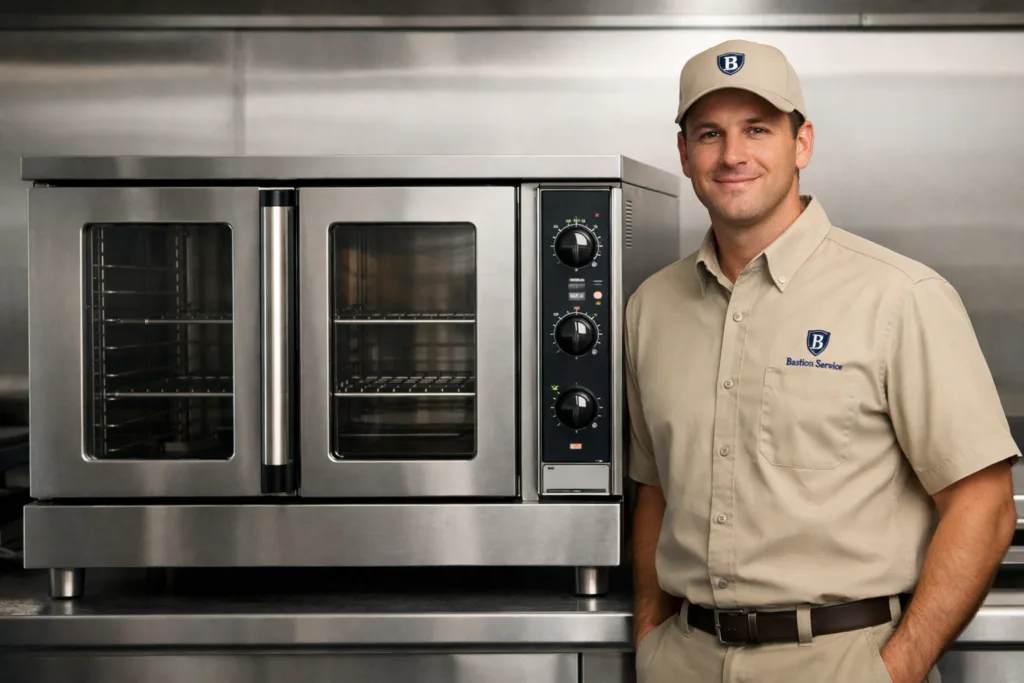




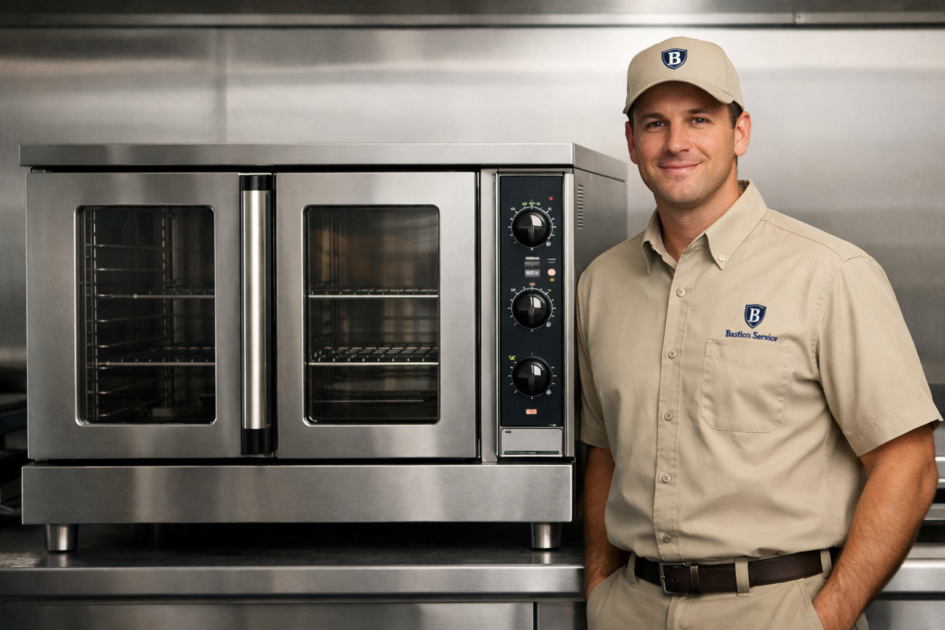
Blodgett oven problems can disrupt production quickly when heat output becomes inconsistent, preheat slows down, or the unit starts shutting down during service. For businesses in West Hollywood, the right repair process starts with symptom-based testing so the actual fault is identified before parts are recommended. That approach helps reduce avoidable downtime, protects workflow, and makes scheduling easier when the oven is tied directly to daily output.
Related commercial service paths in West Hollywood include Blodgett Commercial Repair in West Hollywood, Commercial Oven Repair in West Hollywood, and Southbend Oven Repair in West Hollywood.
Why symptom-based troubleshooting matters
Oven failures rarely show up as a single simple issue. A unit that runs cold may have an ignition problem, a sensor issue, a weak heating component, a control fault, or a power-related problem. Uneven results may point to airflow trouble, door sealing issues, calibration drift, or unstable temperature regulation. Looking at the full symptom pattern helps determine whether the oven is safe to keep using, whether service should be scheduled immediately, and whether the repair is likely to be isolated or part of a larger wear pattern.
That matters for West Hollywood businesses because oven performance affects ticket times, batch consistency, prep timing, and labor efficiency. When a repair visit is based on how the oven actually behaves in operation, service decisions tend to be faster and more accurate.
Common Blodgett oven issues that call for repair
Not heating or heating too slowly
If the oven powers on but does not build heat normally, the problem may involve the igniter, burner system, heating element, temperature sensor, relay, wiring, or electronic controls. In some cases the oven will still operate, but only partially, causing long preheat times and weak recovery between loads. That kind of performance loss usually gets worse rather than better.
Uneven baking across racks
Hot spots, pale sections, overbrowning near one side, or inconsistent results from batch to batch often suggest airflow problems, fan issues, temperature sensing errors, calibration drift, or heat loss around the door. In busy kitchens, these symptoms often show up first as quality complaints before the equipment appears fully broken.
Temperature swings during use
An oven that overshoots, drops below setpoint, or cycles erratically can create waste and make timing harder to manage. Possible causes include thermostat problems, failing sensors, control board issues, sticking relays, or related electrical faults. When temperature stability is unreliable, food quality and predictability both suffer.
Ignition faults or delayed burner operation
Gas models that hesitate before lighting, fail to ignite consistently, or cycle irregularly should be inspected promptly. These symptoms can point to igniter wear, gas valve issues, flame sensing problems, or control sequence faults. Continued use under those conditions can lead to unreliable heating and additional component stress.
Unexpected shutdowns or intermittent operation
If the oven works for part of the day and then cuts out, resets, or shows faults, the problem may be tied to safety circuits, overheating components, unstable controls, or intermittent electrical connections. Intermittent failures are especially disruptive because they are easy to overlook until the unit stops during a high-demand period.
Door and gasket wear
Damaged gaskets, loose hinges, poor closure, or misalignment can let heat escape and force the oven to run longer to maintain temperature. This can contribute to slow recovery, inconsistent cooking, and unnecessary strain on heating components. What looks like a minor hardware issue can have a noticeable effect on daily performance.
Why a Blodgett oven may not heat evenly or reach set temperature
When a Blodgett oven is not heating evenly or reaching set temperature, the root cause is often one of several overlapping issues rather than a single obvious failure. Common sources include weak ignition, reduced burner performance, failing elements, inaccurate temperature sensors, control problems, airflow restrictions, fan motor issues, or heat escaping from worn door seals. In some cases the unit technically reaches temperature, but only after extended preheat time or with poor recovery once product is loaded.
That is why testing matters more than guessing. A repair decision should be based on how the oven starts, how fast it preheats, how well it holds temperature, and whether the heat pattern stays consistent during normal use. For kitchens in West Hollywood, that kind of diagnosis helps determine whether the issue is a straightforward repair or a broader reliability concern.
When service should be scheduled
Service should be scheduled when the oven begins showing repeat performance changes, even if it has not stopped completely. Slow preheat, uneven batches, ignition hesitation, recurring shutdowns, and visible door wear are all signs that the unit needs attention before the problem becomes a full outage. Waiting too long often turns a manageable repair into a more urgent interruption.
It is also smart to schedule service when staff are compensating for the problem with longer cook times, rotating pans to avoid hot spots, restarting the oven during shifts, or changing production flow around inconsistent performance. Those workarounds usually mean the equipment is already affecting output.
Repair versus replacement considerations
Many Blodgett oven issues are repairable when the main structure of the unit remains sound and the fault is limited to ignition components, controls, sensors, fan parts, heating components, switches, or door hardware. Repair is often the better option when the oven still fits the kitchen’s production needs and the problem can be isolated with confidence.
Replacement becomes a more serious consideration when breakdowns are frequent, multiple systems are failing at once, structural condition has declined, or the likely repair path no longer makes sense for the age and condition of the unit. The best decision depends on service history, severity of the current problem, and how critical that oven is to daily operations in West Hollywood.
What to expect from a service-focused repair visit
A useful repair visit should focus on operating symptoms, failure pattern, equipment condition, and the effect on production. That includes checking whether the oven heats consistently, whether controls respond correctly, whether ignition and recovery are stable, and whether continued use is reasonable before full repair is completed. The goal is not just identifying a bad part, but understanding how the fault affects reliability during real kitchen use.
Bastion Service handles Blodgett oven repair for businesses in West Hollywood with attention to downtime, scheduling, and the practical next step after diagnosis. If your oven is running cold, heating unevenly, showing control issues, or slowing production, prompt service is the best way to limit disruption and move toward a repair plan that fits your operation.