
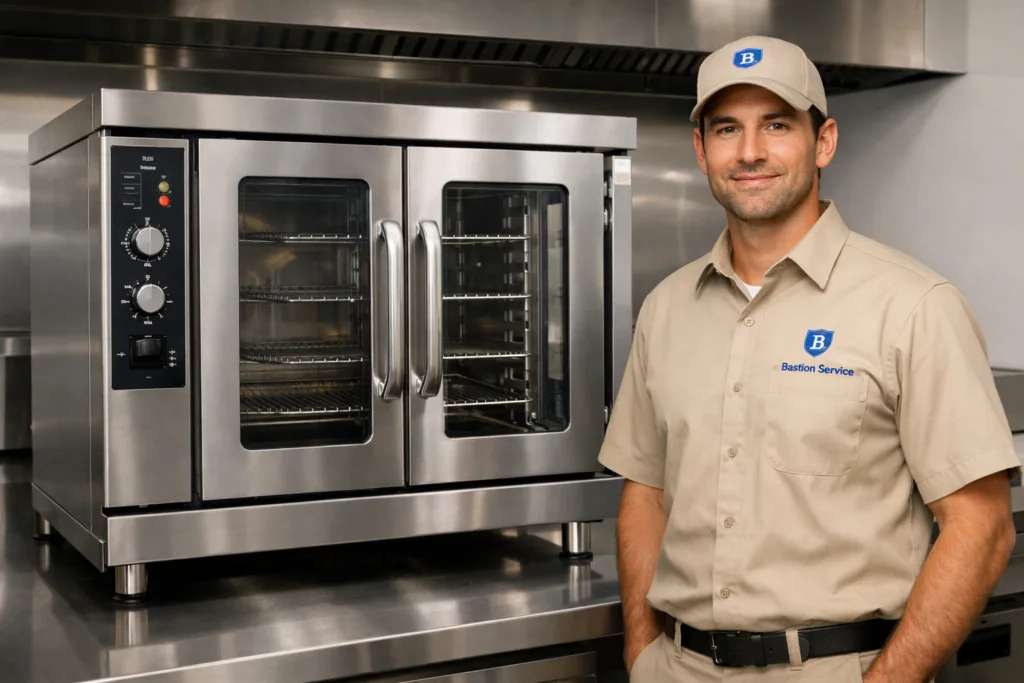




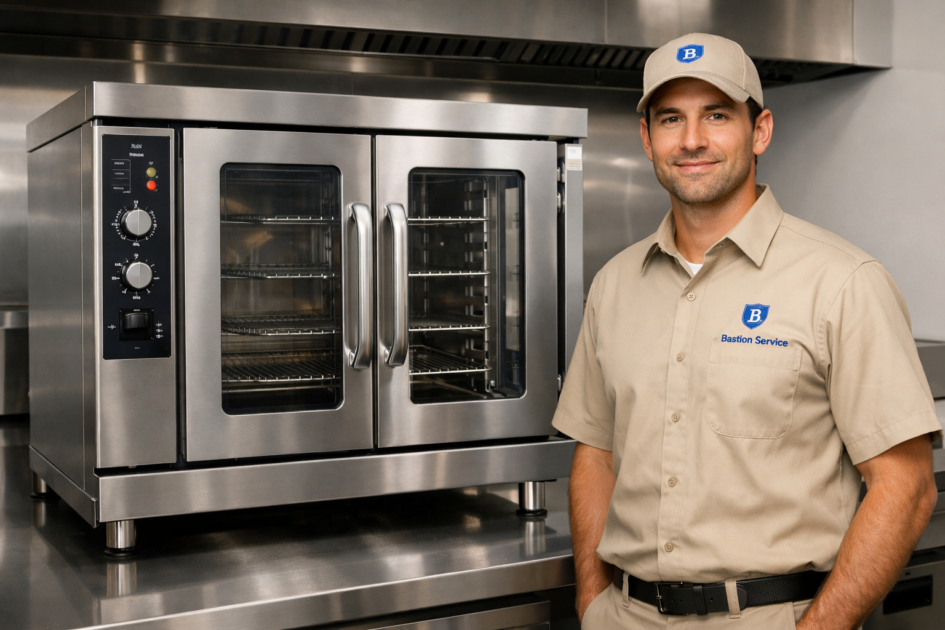
When Blodgett cooking equipment starts missing temperature, recovering too slowly, or shutting down in the middle of service, the next step is usually less about guesswork and more about getting the unit evaluated around the actual symptom pattern. In busy kitchens, a heating complaint can come from ignition trouble, a control fault, airflow issues, failing components under load, or a combination of smaller problems that add up to lost output. Bastion Service helps businesses in West Hollywood schedule repair based on urgency, operating condition, and how much the equipment issue is affecting daily production.
For specific equipment paths in West Hollywood, review Blodgett Oven Repair in West Hollywood and Commercial Appliance Repair in West Hollywood.
What problems usually bring Blodgett cooking equipment in for repair
Blodgett equipment is often called in for service when staff notices that performance is no longer predictable. Sometimes the unit still runs, but cook times stretch out, batches come out unevenly, or the equipment has to be reset to keep working. Other times the problem is more direct, such as no heat, failed startup, or a shutdown that stops service flow.
Common symptoms include:
- Equipment not heating or not reaching the set temperature
- Slow preheat or poor heat recovery between loads
- Uneven cooking, hot spots, or inconsistent results
- Ignition failures, delayed startup, or unstable burner operation
- Temperature controls, displays, or thermostatic functions not responding correctly
- Unexpected shutdowns during use
- Doors, seals, or airflow problems that reduce performance
- Recurring production delays tied to unreliable heat output
These issues matter because the equipment may appear usable while still causing wasted product, slower ticket times, extra labor, and repeated interruptions that affect the whole kitchen.
Heating problems and temperature drift
Not enough heat or no heat at all
If a Blodgett unit does not heat, only heats partway, or cycles off before reaching operating temperature, the cause may involve burners, ignition components, sensors, controls, safety devices, or power-related issues depending on the equipment configuration. Similar symptoms can come from very different failures, which is why repair decisions are better made after testing rather than after a single part is assumed to be the problem.
For businesses in West Hollywood, this type of fault usually deserves quick attention because staff often starts compensating in ways that create larger issues, such as extending cook times, reducing batch size, or repeatedly restarting the equipment.
Inaccurate temperature and inconsistent output
Temperature complaints do not always show up on the display first. Often they appear in food quality: uneven browning, underfinished centers, overcooked edges, or batches that do not match from one cycle to the next. This can point to sensor drift, control problems, burner irregularity, poor heat circulation, or door-sealing issues that let heat escape.
When the team has started adjusting recipes or rotating pans to work around the problem, that is usually a sign the equipment needs service. The longer the workaround continues, the more likely the kitchen is absorbing unnecessary labor and quality losses.
Slow recovery and service-line delays
One of the most disruptive Blodgett equipment complaints is slow recovery. The unit may still operate, but it takes too long to return to temperature between loads, especially during rush periods. That lag can turn into stalled prep, delayed tickets, and inconsistent results as staff tries to push production through equipment that no longer keeps pace.
Slow recovery can be tied to weak burner performance, airflow restrictions, control issues, heat loss, or components that are no longer performing correctly under demand. A repair visit helps confirm whether the problem is isolated or part of broader wear that will continue to affect output.
Ignition, burner, and startup issues
Delayed ignition or unreliable startup
If the equipment starts inconsistently, takes multiple attempts to ignite, or fails to hold stable operation after startup, the problem should not be treated as minor. Ignition-related symptoms can quickly shift from inconvenience to full downtime, and repeated failed starts often create added strain on related parts.
Diagnosis helps determine whether the issue is tied to ignition hardware, flame sensing, burner operation, control sequencing, or another underlying condition affecting startup reliability.
Weak or uneven burner performance
Burners that are not operating evenly can reduce total heat output and create uneven cooking results. In practice, that may look like longer cook cycles, uneven browning, or an oven that technically runs but no longer supports normal production volume. In kitchens where timing matters, even a partial drop in burner performance can have a noticeable effect on service speed.
Control failures and intermittent shutdowns
Intermittent faults are often the most frustrating because the equipment may work normally for part of the day and then shut down without much warning. These symptoms can involve overheating protection, unstable controls, failing components that break down under load, sensor feedback problems, or electrical interruptions within the unit.
Because the equipment may restart after a reset, businesses sometimes continue using it until the shutdowns become frequent enough to force action. That usually increases disruption rather than reducing it. If a Blodgett unit is dropping out during cooking cycles or becoming unpredictable from shift to shift, repair scheduling becomes a practical operations decision, not just a maintenance item.
When continued use can make the situation worse
Some problems allow limited short-term use while service is being arranged, but others should be evaluated before the equipment remains in rotation. Continued operation may worsen the issue when:
- The unit cannot hold stable temperature
- Startup or ignition is inconsistent
- Burners are weak, uneven, or cutting out
- The equipment shuts down during active use
- Controls are inaccurate, unresponsive, or visibly erratic
- Recovery time has become too slow for normal kitchen demand
- Heat loss from door or seal problems is affecting results
In these situations, trying to push through service can increase wear, create product loss, and make the final repair more involved.
What a service visit helps clarify
For businesses evaluating whether to repair now, keep operating briefly, or start considering replacement, the most useful outcome of a technician visit is a clear understanding of what has actually failed and how that failure affects day-to-day use. A service assessment typically helps answer questions such as:
- Whether the fault is isolated or tied to broader equipment wear
- Whether the unit should stay in operation before repair
- How the problem is affecting output, consistency, and labor
- Whether recurring failures suggest a larger reliability issue
- How to schedule repair with the least disruption to kitchen workflow
This is especially important when the equipment is still partially functional. Partial operation can hide a serious performance problem while continuing to drain time and production capacity.
Repair versus replacement considerations
Not every Blodgett problem points to replacement. Many issues are repairable and worth addressing promptly, especially when the equipment has otherwise supported the kitchen well. Replacement becomes a more serious discussion when downtime is recurring, controls are increasingly unreliable, repair history is stacking up, or the unit no longer matches the volume and consistency the business needs.
That decision is easier when it is based on current condition, recent symptom history, and the operational impact of the failure instead of frustration during a breakdown. A repair evaluation gives management a more realistic basis for deciding whether restoring the unit makes sense.
Scheduling Blodgett cooking equipment repair in West Hollywood
If Blodgett cooking equipment is heating poorly, showing ignition trouble, losing temperature control, or causing production delays, scheduling service sooner usually protects both uptime and consistency. For West Hollywood businesses, the goal is not only to restore operation but also to understand whether the equipment can be used safely in the meantime, what repair path fits the symptom pattern, and how to limit additional downtime once service is on the calendar.


