
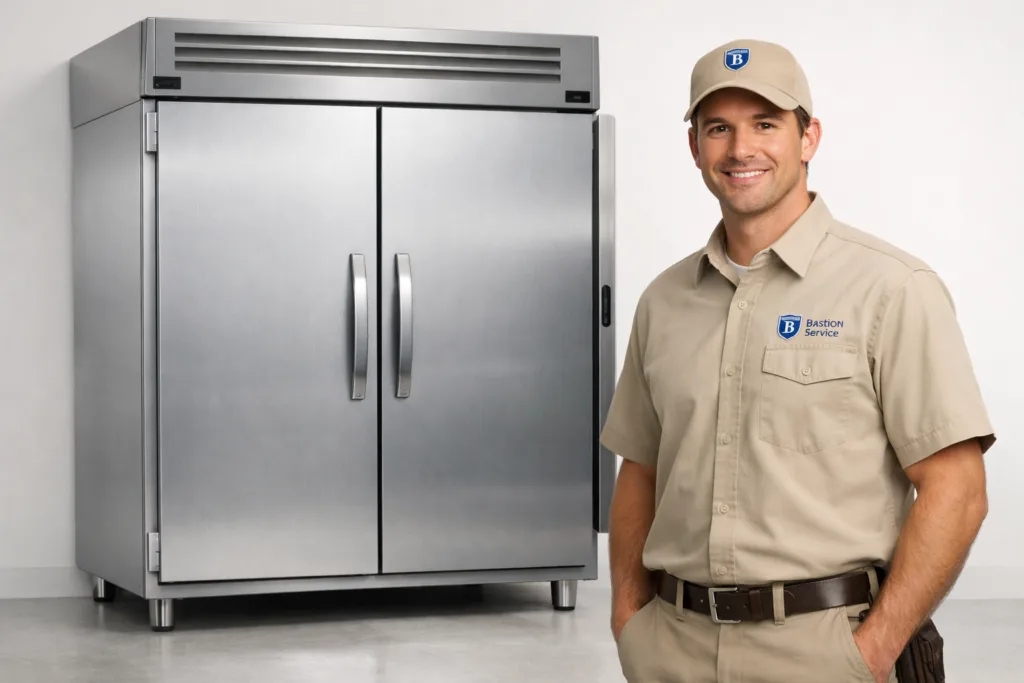





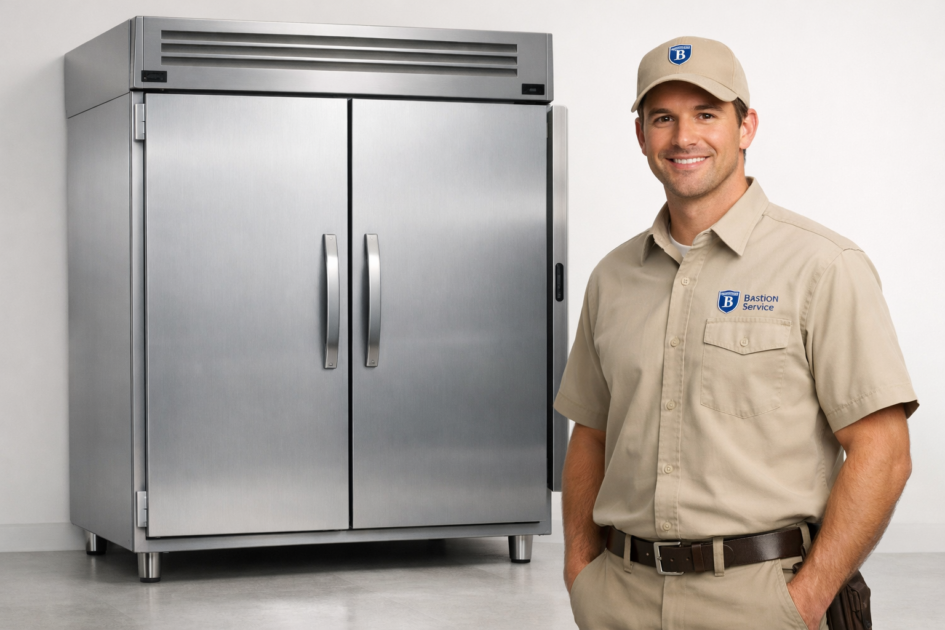
Temperature loss, moisture inside the cabinet, and nonstop run cycles usually mean more than one system needs to be checked before a repair decision is made. For businesses in Sawtelle, that matters because a Beverage-Air refrigerator problem can quickly affect inventory, prep timing, and daily workflow. Bastion Service helps identify the source of the problem, evaluate downtime risk, and schedule refrigerator repair based on how the equipment is actually failing.
Related commercial service paths in Sawtelle include Beverage-Air Commercial Repair in Sawtelle, Commercial Refrigerator Repair in Sawtelle, and Beverage-Air Freezer Repair in Sawtelle.
Service is most effective when the symptom pattern is documented clearly. A unit that is warm in the morning but seems normal later in the day points to a different issue than a cabinet that never reaches set temperature at all. The same is true for refrigerators with recurring frost, leaking water, or fan noise that started before cooling performance dropped. Looking at those details first helps narrow down whether the issue is related to airflow, controls, defrost, door sealing, fan operation, or core refrigeration performance.
Common Beverage-Air Refrigerator Symptoms
Not holding temperature
If product temperatures are drifting, the cabinet is taking too long to recover after door openings, or different shelves are showing different results, several faults may be involved. Dirty condenser coils, evaporator frost buildup, weak gaskets, blocked airflow, bad fan motors, sensor problems, and control issues can all interfere with normal cooling. In some cases, the refrigerator is still running but no longer moving air or removing heat efficiently enough to protect product consistently.
This is one of the most urgent service calls because temperature instability can create immediate operating problems. Staff may start adjusting settings repeatedly, shifting product to colder zones, or opening the unit less often just to keep it usable. Those workarounds usually signal that repair should be scheduled before the failure becomes more disruptive.
Runs constantly or cycles abnormally
A Beverage-Air refrigerator that seems to run all day may be compensating for heat entering the cabinet, poor condenser airflow, a defrost issue, or declining cooling capacity. A unit that starts and stops too often can indicate electrical faults, control problems, or compressor stress. Either pattern can increase wear on important components and make a smaller issue more expensive if it is ignored for too long.
Run-cycle changes are especially important when they appear alongside warm product, excess condensation, or rising energy use. Even if the cabinet still feels cool, abnormal cycling often means the refrigerator is working harder than it should.
Frost buildup, condensation, or water leaks
Frost on the evaporator area, sweating around the door frame, or water on the floor often points to gasket wear, drain restrictions, door alignment problems, or a defrost fault. In busy kitchens and food-service spaces, frequent openings can make the symptom look worse, but repeated moisture problems usually have a mechanical cause that should be corrected.
Leaks and condensation are not just housekeeping issues. Water around refrigeration equipment can create slip hazards, contribute to sanitation concerns, and damage surrounding surfaces. If the same leak keeps returning after cleanup, the refrigerator needs inspection rather than another temporary fix.
Noisy operation or vibration
Rattling panels, fan noise, buzzing, clicking, or louder compressor sound can all signal developing problems. Sometimes the cause is simple, such as loose hardware or vibration from normal wear. In other cases, noise appears because a fan is failing, ice is interfering with moving parts, or the system is under strain from restricted airflow or poor cooling performance.
Noise changes are worth addressing early because they often show up before a noticeable temperature complaint. Catching that shift early can help prevent a more serious breakdown during operating hours.
Why Symptom-Based Diagnosis Matters
Two Beverage-Air refrigerators can show the same warm-cabinet complaint and need completely different repairs. One may have a condenser airflow issue. Another may have a failed evaporator fan, a bad sensor, or a defrost problem that is choking off air movement with ice. That is why symptom-based diagnosis matters more than guessing based on one visible issue.
A useful service visit looks at cabinet temperature, recovery time, airflow, door seal condition, frost pattern, fan operation, and control response together. It also helps to know whether the problem is constant, intermittent, or tied to heavy use periods. Those details shape the repair plan and help determine whether the refrigerator can remain in service temporarily or needs faster intervention.
When to Schedule Repair
It is time to schedule service when the refrigerator cannot hold target temperature, the cabinet is warming product, water is leaking repeatedly, frost keeps returning, or the unit is running much longer than normal. Error codes, repeated resets, and unexplained temperature swings are also strong signs that the equipment needs attention.
Businesses in Sawtelle often call for service after staff notice subtle changes first: longer pull-down times, hot spots inside the cabinet, louder operation, or the need to lower the thermostat setting more than usual. Those early warnings are important because they can point to a repairable issue before multiple parts are affected.
What Can Make the Problem Worse
Continuing to operate a struggling refrigerator can increase both downtime and repair cost. A dirty condenser can overwork the compressor. Frosted coils can reduce airflow until the cabinet stops cooling evenly. A weak door gasket can force longer run cycles that add stress to the system day after day. What begins as a manageable repair can become a larger failure if the unit is pushed too long.
The same is true for recurring leaks and moisture. Delaying service may lead to damage around the equipment, added cleanup demands, and more frequent interruptions for staff. If the refrigerator is already showing multiple symptoms at once, waiting rarely improves the outcome.
Repair or Replace?
Many Beverage-Air refrigerator issues are repairable, especially when the cabinet itself is still in good condition and the problem is isolated to fans, controls, sensors, drains, defrost parts, gaskets, or airflow-related components. In those cases, repair often makes sense because it restores function without changing the layout or workflow the business already depends on.
Replacement becomes a more realistic discussion when the refrigerator has repeated major failures, visible cabinet deterioration, sealed-system trouble combined with other wear, or repair costs that do not support reliable continued use. The key question is not only whether the refrigerator can be fixed, but whether the fix supports stable operation going forward.
How to Prepare for a Service Visit
Before the appointment, it helps to note the current temperature, when the issue started, whether it is constant or intermittent, and any recent changes in sound, frost, or leaking. If staff have noticed that the problem gets worse during busy periods or after defrost cycles, that information can be useful as well. Small observations often help shorten the diagnostic process.
It is also helpful to keep the area around the refrigerator accessible and to avoid changing settings repeatedly right before service unless product protection requires it. Consistent operating conditions make it easier to identify what the unit is actually doing wrong.
Service Support for Beverage-Air Refrigerators in Sawtelle
For businesses in Sawtelle, the best next step is to treat temperature drift, airflow loss, frost, leaks, and unusual noise as service issues rather than routine inconvenience. Timely Beverage-Air refrigerator repair can protect product, reduce disruption, and keep equipment problems from spreading into a larger operational setback. When the symptom pattern is reviewed carefully and the repair path is scheduled around urgency, businesses usually have a better chance of restoring stable refrigeration with less downtime.


