
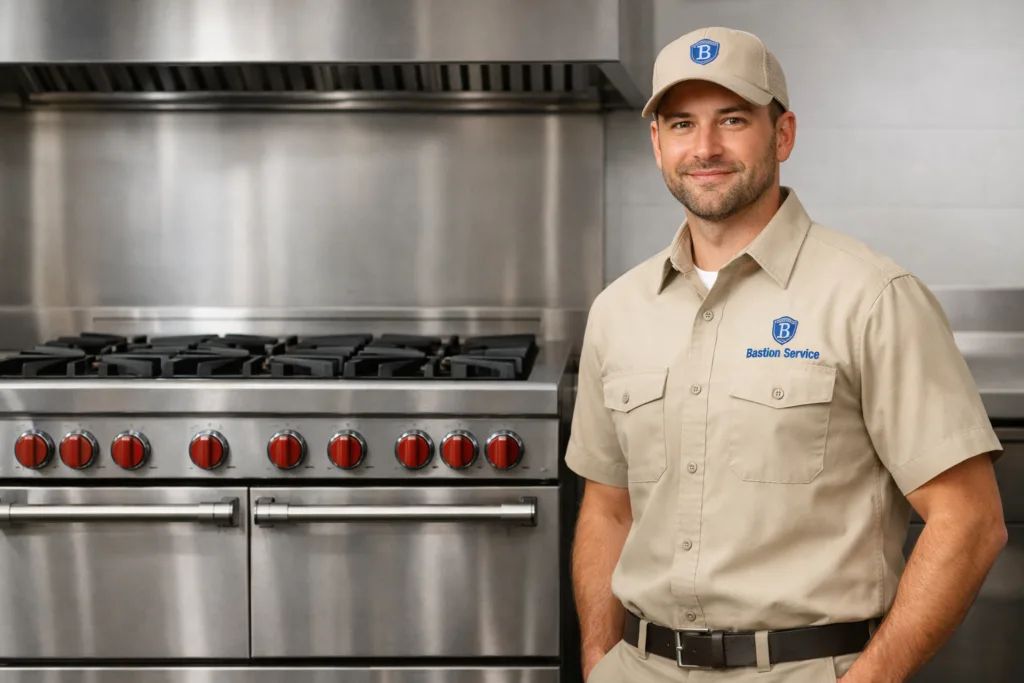




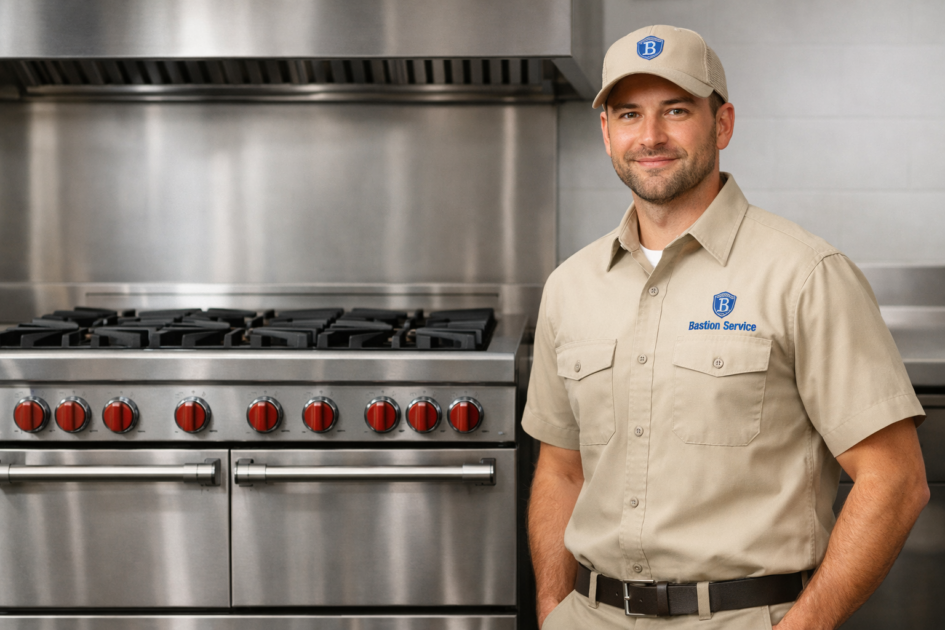
Range problems can slow production fast when burners stop lighting reliably, heat drops off during service, or the oven section stops recovering the way staff expect. For businesses in Rancho Park, the priority is usually to identify the fault, determine whether the unit can be restored without unnecessary parts changes, and schedule repair before the problem creates broader downtime. Bastion Service works with symptom-driven Wolf range issues so businesses can move from uncertainty to a workable repair plan.
Related commercial service paths in Rancho Park include Wolf Commercial Repair in Rancho Park, Wolf Oven Repair in Rancho Park, and Wolf Fryer Repair in Rancho Park.
Why a Wolf range may stop lighting, heating, or holding temperature
Many range complaints look similar at first, but the underlying cause can be very different. A burner that clicks but does not light may involve the igniter, burner ports, switch components, wiring, or gas delivery. An oven that seems slow to heat may actually be cycling incorrectly, overshooting, or failing to maintain temperature once the cavity is hot. When diagnosis starts with the actual symptom pattern, the repair decision is usually faster and more accurate.
On heavily used Wolf equipment, performance issues also tend to overlap. One business may notice weak flame on the cooktop and delayed oven recovery at the same time. Another may have a single burner problem that turns out to be part of a wider ignition or control issue. That is why service should focus on what the range is doing under normal operating conditions, not just whether it powers on.
Common Wolf range symptoms and what they can mean
Burners click but do not ignite
If a burner clicks repeatedly without lighting, or only lights after several attempts, common causes include worn ignition components, blocked burner openings, moisture intrusion, switch faults, or inconsistent gas flow. In a busy kitchen, this usually leads to repeated relighting attempts, station slowdowns, and uneven use of the remaining burners.
When the symptom affects more than one burner, the problem may involve shared electrical or ignition-related components rather than a single burner assembly. If it is isolated to one position, the issue may be more localized, but it still needs proper inspection before normal use continues.
Weak flame or uneven heat across burners
A Wolf range that produces weak flame, uneven flame, or delayed response to control adjustments can affect cooking consistency right away. Businesses may notice longer cook times, hot spots, poor pan response, or staff shifting work to other burners to compensate.
This can point to blocked burner ports, regulator concerns, valve problems, burner wear, or combustion-related issues. If the flame color or strength has changed noticeably, that is a useful detail to report during scheduling because it helps narrow the likely causes.
Oven section heats slowly or will not maintain temperature
When the oven compartment is not reaching set temperature, overshoots, or loses heat too quickly after loading, the problem may involve the igniter, temperature sensor, thermostat, control system, or burner performance. In daily operations, this often shows up as inconsistent bake results, delayed prep timing, or the need to rotate products more than usual.
Temperature complaints are especially important to address early because staff often adapt without realizing how much output is being affected. If recipes that normally run predictably start taking longer or producing uneven results, the range may already be drifting outside normal performance.
Controls respond inconsistently
If knobs, switches, or electronic controls are not responding the same way every time, the issue may be electrical, mechanical, or related to wear within the control system. Intermittent response is one of the easiest problems to dismiss at first and one of the most disruptive once it becomes frequent.
Ranges with control-related faults may operate normally for part of the day and then fail during higher demand. That pattern often points to a component that is weakening rather than a one-time event.
Intermittent shutdowns or reset-dependent operation
A range that cuts out unexpectedly, trips power, or must be reset to continue running should be evaluated promptly. Intermittent shutdowns can involve wiring faults, failing switches, control board problems, or power-supply issues. These faults are difficult to predict and often worsen under repeated use.
If the equipment only fails during busy periods, that timing matters. Noting when shutdowns happen, how long the unit runs before stopping, and whether both cooktop and oven functions are affected can make service more efficient.
How symptom patterns help speed diagnosis
The most useful service call information is usually simple and specific. It helps to note whether the issue affects one burner or several, whether the oven section is involved, whether ignition is delayed or absent, and whether the problem started suddenly or built up over time. Details such as constant clicking, temperature drift, weak flame, or repeated resets often do more to guide diagnosis than a general report that the range is “not working right.”
Photos or videos are not always necessary, but clear observations from staff can be valuable when the fault is intermittent. A burner that fails only at opening, or an oven that struggles after extended use, tells a different story than a unit that is completely down all day.
When service should be scheduled right away
- Burners no longer light consistently or take multiple attempts to ignite
- Flame is weak, unstable, or noticeably different from normal operation
- Oven temperature is drifting, slow to recover, or producing uneven results
- Controls cut in and out, fail intermittently, or require repeated adjustment
- The range shuts off unexpectedly or needs frequent resets to keep running
- Staff have started using workarounds to get through daily production
Even when the range is still partly usable, declining performance usually means the underlying issue is progressing. Early service is often the better option when the goal is to avoid a full outage during an important service window.
When continued use can make the problem worse
Repeated clicking, delayed ignition, unstable flame, and erratic oven cycling are all conditions that can place added strain on related components. What begins as one failing part can start affecting ignition reliability, control response, and heating consistency across the range if the equipment stays in heavy use without repair.
If there is a persistent gas odor, stop using the range and address safety first before arranging appliance service. Operating a unit with a suspected gas-related fault is not a routine troubleshooting situation.
Repair or replacement considerations for Rancho Park businesses
In many cases, repair is the sensible path when the range is otherwise in solid condition and the problem is limited to serviceable components. Replacement becomes more likely when there are multiple major failures, repeat breakdowns across separate systems, severe wear, or repair costs that no longer match the unit’s remaining value in daily operations.
For businesses in Rancho Park, the decision is often less about age alone and more about operational role. A range that is central to production may justify repair quickly if the issue is contained and parts replacement restores stable performance. If the unit has become a recurring source of disruption, a broader equipment decision may make more sense.
What to have ready before the technician arrives
- The model information if available
- A short description of which functions are affected
- Whether the issue is constant or intermittent
- Any recent changes in flame quality, heating speed, or control behavior
- Whether the problem involves the cooktop, oven, or both
- When the fault is most noticeable during the workday
Preparing those details can reduce delays and help keep the appointment focused on fault isolation rather than guesswork. It also helps businesses explain how the problem is affecting output, ticket flow, and kitchen use in real conditions.
Service-focused next steps
When a Wolf range starts missing ignitions, losing heat, or behaving unpredictably, the best next step is to schedule service based on the specific symptoms rather than waiting for a complete failure. For Rancho Park businesses, timely diagnosis supports faster repair planning, better parts decisions, and less disruption to daily operations.


