
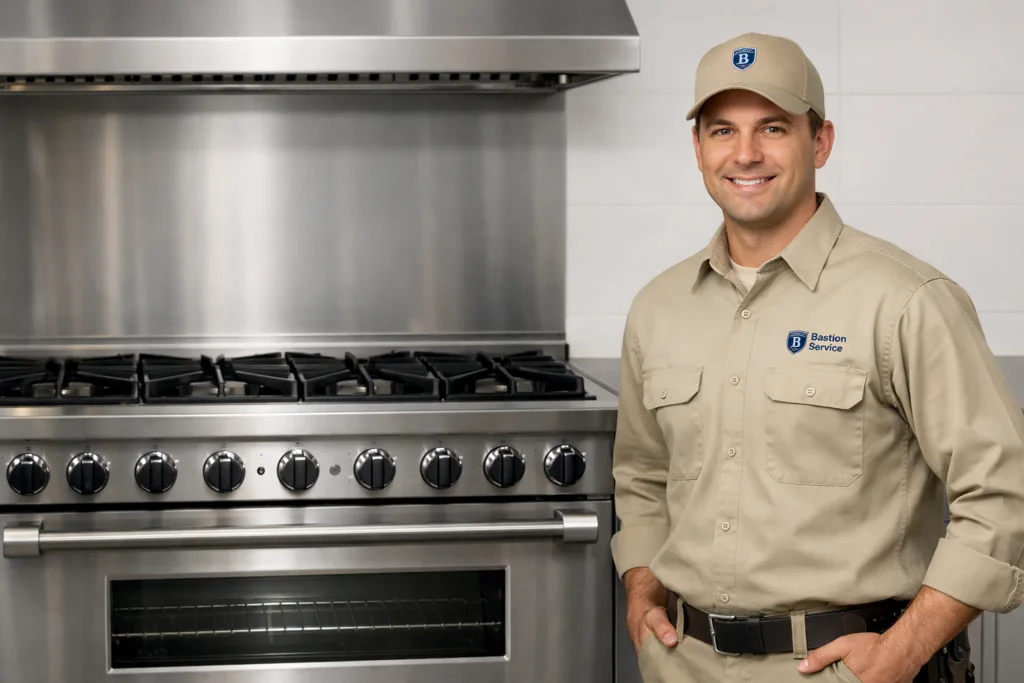




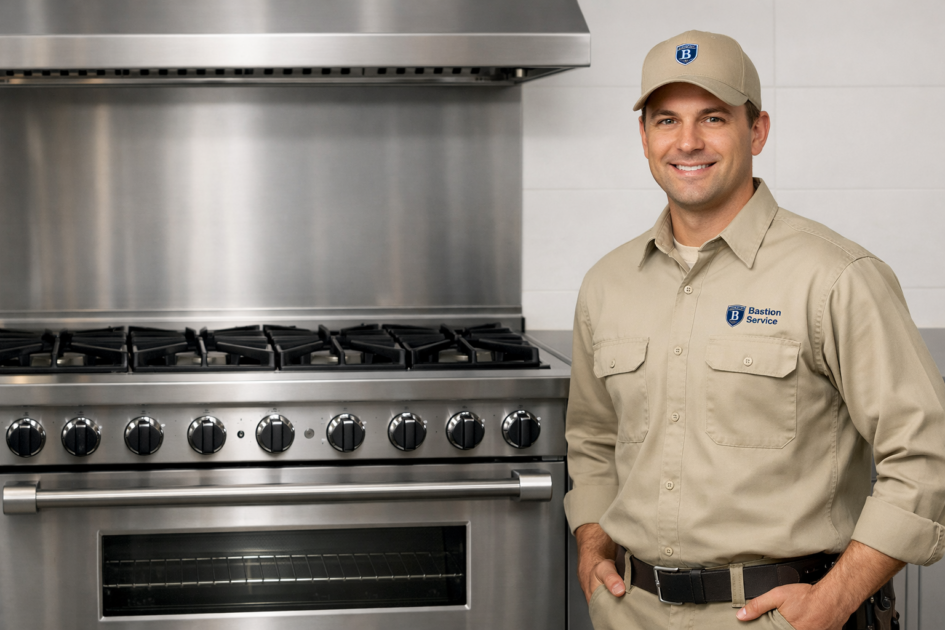
When a Wolf range starts disrupting kitchen output, the priority is to identify the failed system, understand whether any functions should be taken out of use, and schedule repair around the realities of service. For businesses in Century City, that means looking past the surface symptom and focusing on what is actually causing ignition faults, weak heat, unstable oven performance, or control problems. Bastion Service works with businesses in Century City to diagnose Wolf range issues, define the repair scope, and help operators move toward a safe and useful return to service.
Related commercial service paths in Century City include Wolf Commercial Repair in Century City, Wolf Oven Repair in Century City, and Wolf Fryer Repair in Century City.
Common Wolf range symptoms that need professional diagnosis
Range problems do not always begin with a full shutdown. In many kitchens, the first signs are inconsistent performance, slower recovery, or burner behavior that staff start compensating for during prep and service. Those workarounds usually signal that a repair decision should be made before the problem spreads or causes a more serious interruption.
Burners that will not light or keep clicking
If a burner clicks continuously, takes several attempts to ignite, lights with a delay, or fails to light at all, the issue may involve the igniter, burner assembly, switch, wiring, or gas flow to that section of the range. Repeated ignition attempts are not just frustrating; they can disrupt workflow and create unnecessary wear on related components.
Weak flame, uneven flame, or inconsistent burner output
A burner that runs low, flares unevenly, or does not match the output of the other burners can affect cook times and consistency across the line. These symptoms can point to blocked burner ports, valve problems, gas pressure concerns, or wear that is changing combustion performance under daily use.
Oven section not heating properly
When the oven cavity runs too cool, overheats, takes too long to preheat, or swings noticeably during cooking, the fault may involve the igniter, sensor, control, thermostat-related components, or other heat regulation parts. In a business setting, oven instability often leads to delayed ticket times, uneven product, and extra monitoring by staff who should be focused elsewhere.
Temperature that will not hold during production
Some ranges appear to heat normally at startup but fail once they are under real workload. Temperature drop-off, slow recovery, or cycling that becomes worse later in the shift can indicate a component that is weakening under heat stress rather than failing completely. That kind of symptom is easy to dismiss until service quality is affected.
Intermittent controls or inconsistent operation
Knobs, functions, ignition response, or oven controls that work only part of the time often point to electrical faults, failing control components, loose connections, or heat-related wear inside the unit. Intermittent symptoms are especially important to document because they often worsen before the range stops operating altogether.
Odors, unusual sounds, or changes in startup behavior
Abnormal clicking, unexpected odor during ignition or operation, changes in burner sound, or behavior that differs from the unit’s normal startup pattern should not be ignored. These symptoms can be early signs of combustion, ignition, or control-related faults that need evaluation before the equipment is trusted for normal use.
Why ranges with similar symptoms can need very different repairs
One reason Wolf range repair can be misjudged is that the same complaint can come from several different causes. A burner that does not light may be blamed on the igniter, but the actual problem could be a switch, wiring fault, gas delivery issue, or burner assembly condition. An oven that bakes unevenly may not need the part many people first suspect if the real fault lies in temperature sensing or control response.
That is why symptom-based guessing often leads to repeat service calls. A proper diagnosis should isolate the affected section, confirm whether the issue is mechanical, electrical, ignition-related, or gas-related, and determine whether there are secondary problems contributing to the failure. This matters even more when the range has multiple complaints at the same time.
How specific symptoms affect business operations
Range issues create more than a technical inconvenience. In many kitchens, a single unreliable burner or oven section can force staff to adjust station assignments, reduce output, hold product longer than intended, or rework orders. Even when the unit is still partially usable, inconsistent performance can ripple through labor, timing, and food quality.
- Ignition trouble can slow line setup and create hesitation around whether a station is ready for service.
- Weak burner output can affect searing, boil times, pan performance, and consistency between cooks.
- Oven temperature swings can disrupt batch timing and lead to undercooked or overcooked product.
- Intermittent controls can make a range unreliable during peak periods when stable operation matters most.
- Repeated clicking or delayed lighting can pull staff attention away from production and raise concerns about whether continued use is appropriate.
When service should be scheduled instead of waiting
Service should be scheduled when staff begin compensating for the equipment instead of working normally with it. If a burner only lights on the second or third try, the oven needs constant checking, or output has become inconsistent enough that cooks no longer trust the range, the unit is already affecting operations.
It also makes sense to schedule repair when the range still runs but shows early warning signs such as long preheat times, burner inconsistency, unstable flame, or controls that occasionally fail to respond. Addressing the issue before complete failure can help reduce downtime and avoid a larger interruption during active service in Century City.
Signs continued use may increase repair scope
Some problems become more expensive when the range stays in use without evaluation. Delayed ignition, repeated restart attempts, unstable flame, overheating, or unreliable oven regulation can place extra stress on igniters, valves, sensors, and controls. Staff can sometimes keep production moving by working around the issue, but that does not mean the unit is operating in a way that protects the equipment.
If the range is behaving unpredictably, producing unusual odor, or struggling to regulate heat correctly, it is usually wiser to stop using the affected function until the fault is assessed. That approach helps limit added wear and gives managers a better chance of restoring the unit without broader damage.
Repair versus replacement considerations
Not every Wolf range problem points to replacement. Many units are worth repairing when the failure is isolated and the rest of the range remains structurally sound and operationally stable. The better question is whether the confirmed repair will return the unit to dependable use for the role it serves in the kitchen.
Useful factors in that decision include:
- the exact fault and whether it is limited to one system or spread across several
- the overall condition of burners, oven components, controls, and high-use parts
- recent repair history and whether problems are recurring
- how critical the range is to daily production
- whether the expected repair outcome supports reliable operation instead of short-term patching
Replacement becomes a more serious discussion when the range has multiple system failures, declining performance across key functions, or a pattern of recurring downtime that no longer supports the business.
What to prepare before a Wolf range service visit
A service visit tends to be more productive when the business can describe the problem in practical terms. Helpful details include whether the issue affects all burners or only one, whether the oven fails during preheat or during active cooking, how long the symptom has been happening, and whether the problem is constant or intermittent.
It is also useful to note any changes in sound, smell, flame appearance, clicking behavior, temperature recovery, or display response. If the range fails only at certain times of day or under heavier use, that pattern can help narrow down the likely cause. Good symptom notes can reduce guesswork and speed up the repair path.
What a successful repair process should accomplish
Wolf Range Repair in Century City should lead to more than a part replacement. A useful repair outcome should confirm what failed, explain which functions were affected, identify whether continued use caused any secondary issues, and restore the range to stable operation that staff can trust during normal production.
For businesses in Century City, the goal is straightforward: get the range evaluated, make the repair decision based on the actual condition of the equipment, and return the unit to service with dependable ignition, consistent heat, and predictable day-to-day performance. When a Wolf range starts affecting output, scheduling diagnosis early is often the fastest way to limit downtime and regain control of the kitchen workflow.


