
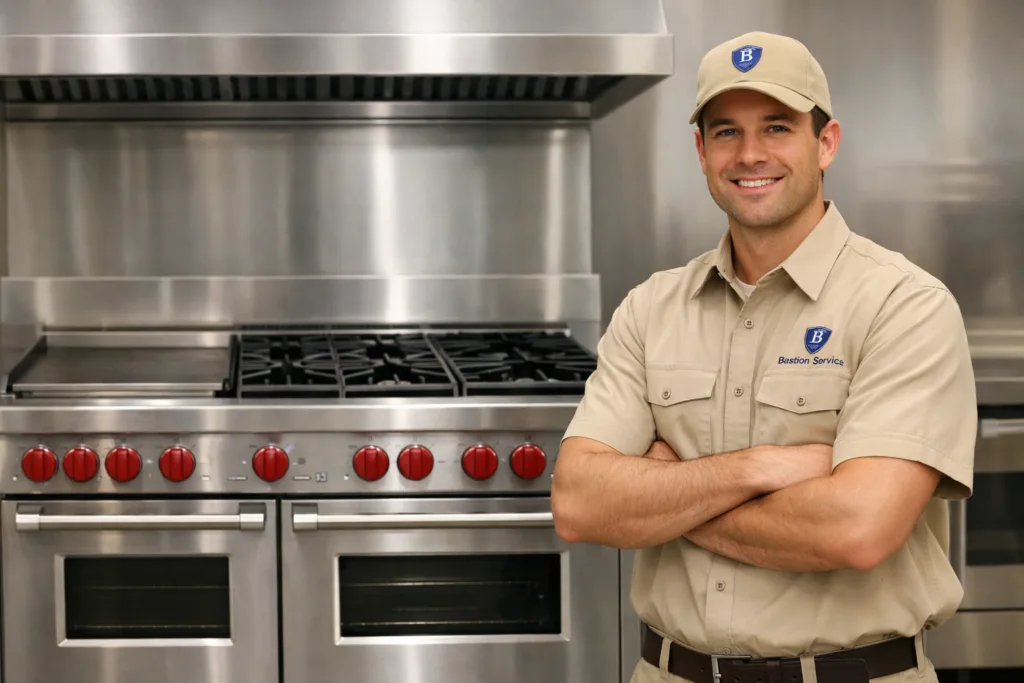




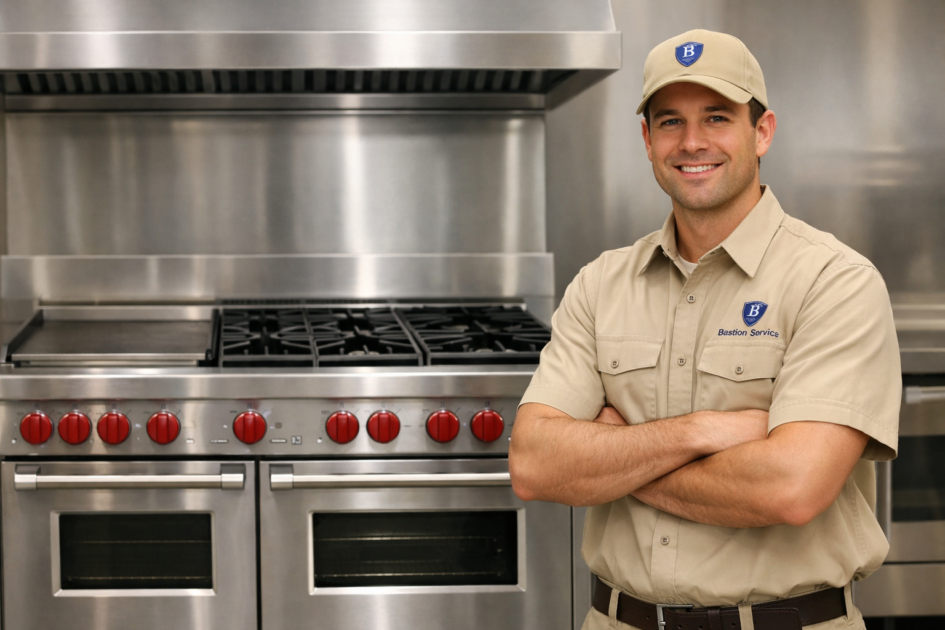
When Wolf cooking equipment begins missing heat targets, delaying ignition, or dropping out during service, the problem usually reaches beyond one meal period. For businesses in Inglewood, repair service is most valuable when it helps management decide what can stay in rotation, what should be taken out of use, and how quickly the issue can be corrected without adding more disruption to the kitchen. Bastion Service provides Wolf equipment repair support with attention to symptom patterns, repair timing, and the operational impact of downtime.
For specific equipment paths in Inglewood, review Wolf Oven Repair in Inglewood, Wolf Range Repair in Inglewood, and Wolf Fryer Repair in Inglewood.
What Wolf cooking equipment problems do you troubleshoot?
Most service calls start with a performance complaint rather than a confirmed part failure. An oven may cook unevenly, a range may light inconsistently, or a fryer may take too long to recover between batches. Those symptoms can come from very different causes, so troubleshooting is centered on how the equipment behaves under normal use.
- Ignition that clicks repeatedly, lights late, or fails altogether
- Burners with weak flame, unstable flame, or uneven heat output
- Ovens running hot, cold, or drifting away from the set temperature
- Slow preheat or slow fryer recovery during back-to-back orders
- Controls that stop responding, reset unexpectedly, or behave inconsistently
- Equipment that shuts down during active use
- Uneven cooking results that affect timing and product consistency
- Recurring faults that return after operators restart the unit
These issues are not interchangeable. Two pieces of equipment can show the same visible symptom and still need very different repairs, which is why diagnosis matters before parts decisions or scheduling assumptions are made.
Oven problems that affect output and consistency
Temperature drift and uneven cooking
If a Wolf oven starts producing inconsistent results, staff often compensate by rotating pans, extending cook times, or changing rack positions. That workaround may keep orders moving temporarily, but it usually means the equipment is no longer performing predictably. Temperature drift can affect product quality, increase waste, and slow service at the same time.
Common oven complaints include long preheat, hot and cold spots, overcooking at the same setting, or batches finishing later than expected. In a business kitchen, those patterns typically justify repair scheduling once the team has to adjust process to get acceptable results.
Control issues and mid-cycle shutdowns
An oven that powers off during use or does not respond consistently at the controls should be evaluated before it is relied on for full production. Intermittent faults tend to become planning problems because staff cannot tell whether the next cycle will complete normally. If resets are becoming part of routine operation, the unit is already signaling a repair need.
Range symptoms that slow the line
Ignition delays and burner instability
Wolf ranges are expected to light reliably and hold steady heat. When burners need multiple attempts to ignite, click excessively, or cut out after lighting, line performance becomes harder to manage. Even when the issue seems minor at first, recurring ignition trouble can quickly turn into a larger interruption during busy hours.
Weak flame, delayed ignition, and inconsistent burner behavior often lead staff to avoid certain sections of the range or rearrange station use. That reduces flexibility and can put pressure on the rest of the kitchen.
Uneven burner performance
If one burner runs stronger than another or heat output changes from one side of the range to the other, cooks usually adapt by shifting pans and changing timing. Over time, that kind of inconsistency affects ticket flow and makes production less predictable. A service visit helps determine whether the problem is isolated to one area or part of a broader operating fault.
If there is a persistent gas odor, stop using the equipment and address the safety concern immediately through the appropriate emergency channel before arranging repair.
Fryer issues that can turn into full downtime
Slow heat recovery during repeated loads
A Wolf fryer that cannot recover temperature fast enough after each basket can reduce throughput and make finished product less consistent. Operators usually notice this first as longer cook times, lighter or darker results between loads, or a fryer that struggles most during rush periods. Once that pattern appears, repair should be considered before a partial performance issue becomes a full outage.
Unexpected shutdowns and unstable operation
When a fryer shuts off without warning or behaves differently throughout the day, it becomes difficult to assign production to that station with confidence. In some kitchens, staff keep restarting the unit and continue service around it, but repeated interruptions usually mean the problem is no longer minor. Inspection helps determine whether the fryer can stay out for repair planning or requires faster action.
When repair should be scheduled instead of watched
Some issues are easy to dismiss at first because the equipment still works part of the time. In practice, businesses in Inglewood usually benefit from scheduling service when the symptom starts changing labor flow, menu timing, or product consistency. Waiting is rarely helpful once operators are building workarounds into daily use.
Typical signs it is time to book repair include:
- Repeated ignition failures instead of occasional misfires
- Temperature readings that no longer match actual cooking results
- Units that only operate normally after resets
- Heat recovery that slows enough to bottleneck production
- Shutdowns that interrupt prep or service windows
- Control behavior that staff no longer trust
Repair decisions for business kitchens
Service is not only about fixing what failed. It also helps managers decide whether the equipment should remain in limited use, come offline completely, or be scheduled around a slower operating window. That matters when one oven, range, or fryer issue affects staffing, prep sequences, and order timing across the rest of the kitchen.
Diagnosis is also useful when the question is no longer just repair, but whether another repair is worth it. If a unit has a pattern of repeat issues, rising service history, or symptoms spreading to more than one function, an inspection helps clarify the next step with less guesswork.
What to expect from a service-oriented repair approach
For businesses in Inglewood, the most practical next step is to schedule an evaluation based on the actual symptom pattern, confirm whether continued use is appropriate, and plan the repair around production needs. Whether the issue involves oven temperature control, range ignition, fryer recovery, or repeated shutdowns, timely service helps reduce avoidable delays and supports a safer, more predictable kitchen operation.


