
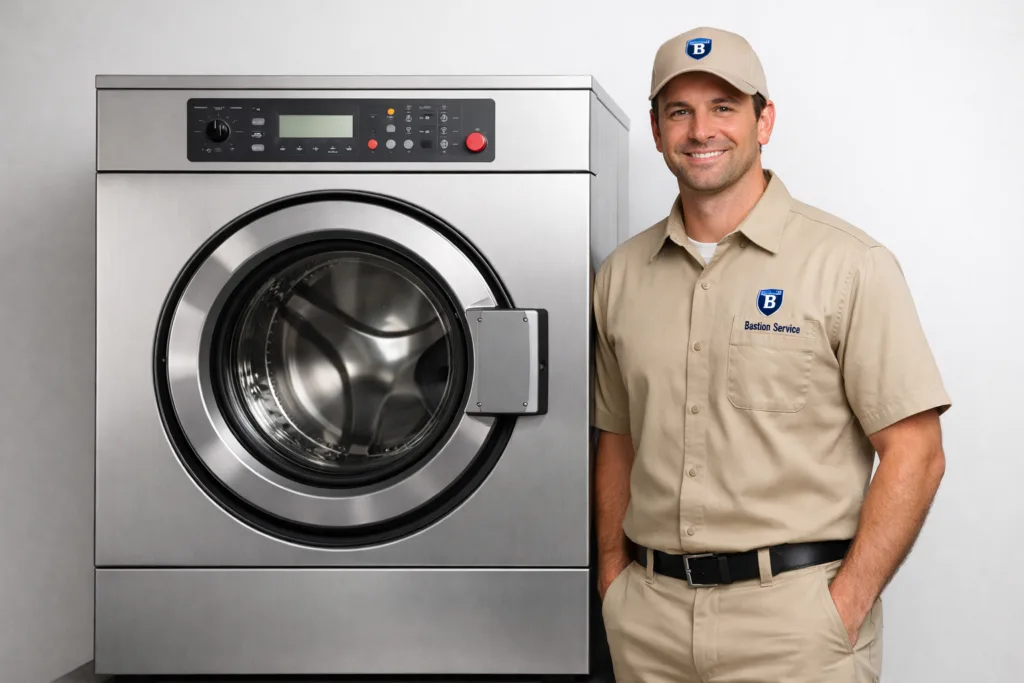





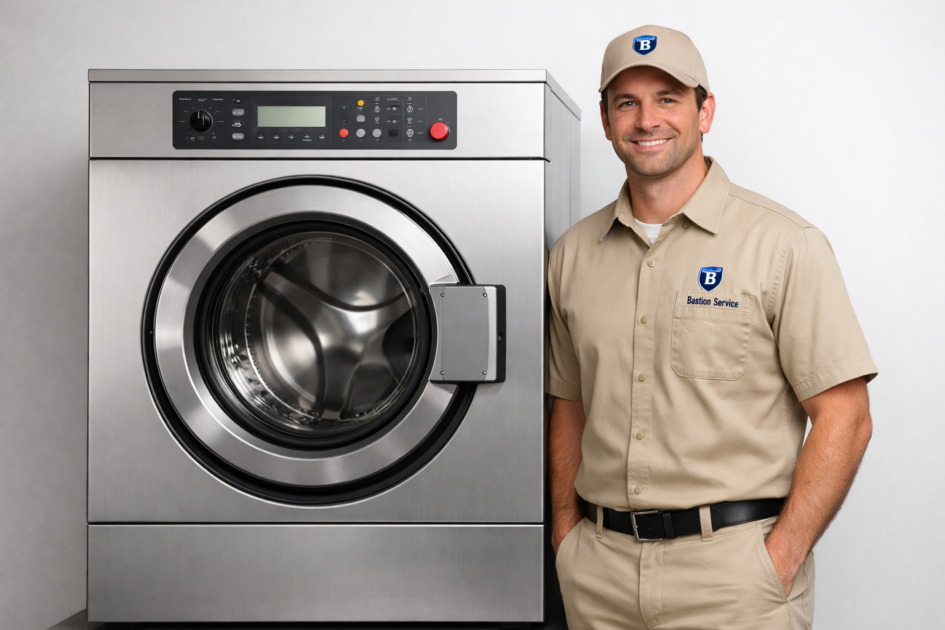
Unexpected washer or dryer issues can disrupt staffing, delay turnovers, and create a backlog of unfinished loads. For businesses in Playa Vista, service is most useful when it quickly identifies the fault, confirms whether the machine should remain in use, and sets a repair schedule that fits the urgency of the problem. Bastion Service handles Wascomat laundry equipment issues with a symptom-first approach so operators can make repair decisions based on actual machine condition rather than guesswork.
For specific equipment paths in Playa Vista, review Wascomat Washer Repair in Playa Vista, Wascomat Dryer Repair in Playa Vista, and Commercial Appliance Repair in Playa Vista.
Wascomat Laundry Equipment Problems That Commonly Need Repair
Business-use laundry equipment often shows declining performance before it fails completely. A machine may still run, but slower cycles, repeated resets, excess moisture left in loads, or heat problems can already be affecting daily output. In many cases, the same visible symptom can be tied to different underlying faults, which is why inspection matters before a unit is kept in service.
Common reasons businesses in Playa Vista schedule repair include:
- Cycles that stop early or fail to start
- Leaks, slow draining, or standing water
- Long wash or dry times that reduce throughput
- Excess vibration, banging, scraping, or grinding sounds
- Door lock or latch problems
- No heat, weak heat, or overheating
- Loads that come out too wet or still damp after drying
- Repeated fault codes or the need for staff intervention
Washer Symptoms That Point to Service Needs
Wascomat washers can develop problems that appear minor at first but become disruptive once load volume increases. Slow filling, incomplete draining, off-balance spinning, or unexplained shutdowns often affect both cycle consistency and turnaround time. When staff has to rerun loads, redistribute items, or reset the machine regularly, the issue is already costing time.
Drainage and water-handling problems
If a washer leaves water in the drum, drains slowly, or ends a cycle with overly wet textiles, the issue may involve the drain pump, drain path restrictions, controls, or sensing problems. Water-related faults can also show up as leaks around the door, under the cabinet, or during certain stages of the cycle. Even when the machine still completes some loads, poor drainage can strain components and create sanitation and floor-safety concerns.
Vibration, movement, and spin issues
Excessive shaking, walking, or loud impact noise during spin usually means the machine needs attention before more wear develops. The cause may relate to suspension components, balance issues, mounting concerns, drum support wear, or drive-related faults. In a busy laundry room, unresolved vibration can damage nearby parts and turn a repairable condition into a broader outage.
Start failures, interruptions, and control-related symptoms
When a washer does not start, pauses unexpectedly, or stops at the same point in the cycle, the problem can stem from door lock faults, electrical issues, controls, sensors, or motor-related problems. Intermittent operation is especially important to address because it tends to worsen without much warning. A unit that works only some of the time is often more disruptive than one that is fully down, since staff cannot rely on it for scheduling.
Dryer Symptoms That Reduce Output
Dryers create workflow problems quickly because one heat or airflow issue can slow the entire laundry process. If loads need extra time, come out unevenly dry, or require repeat cycles, the equipment is no longer producing predictable results. Repair planning should focus on restoring safe, stable drying performance rather than waiting for a complete failure.
No heat, low heat, or overheating
A dryer that tumbles but does not dry properly may have a heating fault, control issue, sensor problem, or airflow restriction. On the other side, a dryer that overheats, shuts down on limit, or produces an unusually hot cabinet may be dealing with restricted air movement or failing heat-management components. Both conditions affect reliability, and overheating should be addressed promptly to avoid larger damage.
Long dry times and airflow-related performance loss
If cycle times keep getting longer, staff may notice loads staying damp even when the dryer appears to be running normally. This often points to poor airflow, blower issues, lint buildup in critical areas, sensing problems, or heat performance that is no longer consistent. Long dry times are not just an inconvenience; they can reduce daily capacity and create delays across the entire operation.
Noise, drum support wear, and movement problems
Thumping, scraping, squealing, or metal-on-metal sounds usually indicate components that should be inspected before the dryer stays in regular use. Drum support parts, rollers, bearings, belts, and drive components can all contribute to unstable operation. When noise is ignored, it often leads to additional wear and a more complicated repair.
Signs the Machine Should Not Stay in Use
Some issues allow limited operation while awaiting service, but others should be treated as immediate repair conditions. Businesses should be cautious about continued use when equipment shows:
- Burning smells or visible overheating
- Repeated breaker trips
- Heavy leaks or water escaping onto the floor
- Grinding, scraping, or severe banging
- Failure to drain with water left in the unit
- Poor airflow combined with rising dryer temperatures
- Door lock failures that interrupt safe operation
In these situations, the question is not just whether the machine can still run. The more important issue is whether continued use risks additional damage, safety concerns, or a longer period of downtime once the unit finally stops completely.
What a Service Visit Should Help You Decide
A repair appointment should provide more than a basic confirmation that something is wrong. It should clarify what failed, whether the issue is isolated or part of broader wear, whether the machine can remain in operation, and what repair path makes sense for the age and condition of the equipment. That information is especially useful for laundromats, hotels, shared laundry rooms, and other Playa Vista businesses balancing load volume against machine availability.
Typical inspection priorities include water fill and drain performance, door and lock operation, controls and electrical behavior, drive and drum-related wear, heating output, and airflow performance. Looking at the machine as a whole helps explain why certain symptoms repeat and whether secondary issues have started to develop around the original fault.
Repair or Replacement: How Businesses Usually Evaluate the Decision
Repair is often the better option when the problem is contained and the rest of the machine is operating in a stable way. Replacement becomes a more serious consideration when equipment has recurring failures, multiple unrelated issues, or wear severe enough that reliability remains poor even after repair. The right decision depends on more than the immediate part cost.
For businesses in Playa Vista, factors that usually matter most include downtime exposure, the machine’s role in daily production, condition of major components, and whether recent service history suggests a pattern of ongoing breakdowns. A thorough diagnosis helps frame that choice with less uncertainty and allows managers to plan around actual risk instead of assumptions.
Scheduling Repair Before Downtime Spreads
When one washer or dryer starts underperforming, staff often compensate by shifting loads, extending hours, or relying too heavily on the remaining machines. That workaround may keep things moving temporarily, but it also increases pressure on the rest of the equipment. Scheduling repair early can help contain the issue, reduce secondary damage, and keep a single fault from turning into a larger operational problem.
If your Wascomat laundry equipment in Playa Vista is leaking, vibrating, failing to drain, shutting down mid-cycle, running without proper heat, or taking too long to finish loads, the next step is to schedule service and identify the specific repair need. A focused inspection makes it easier to decide whether the unit should stay in use, how urgent the repair is, and what practical next step will restore more reliable operation.


