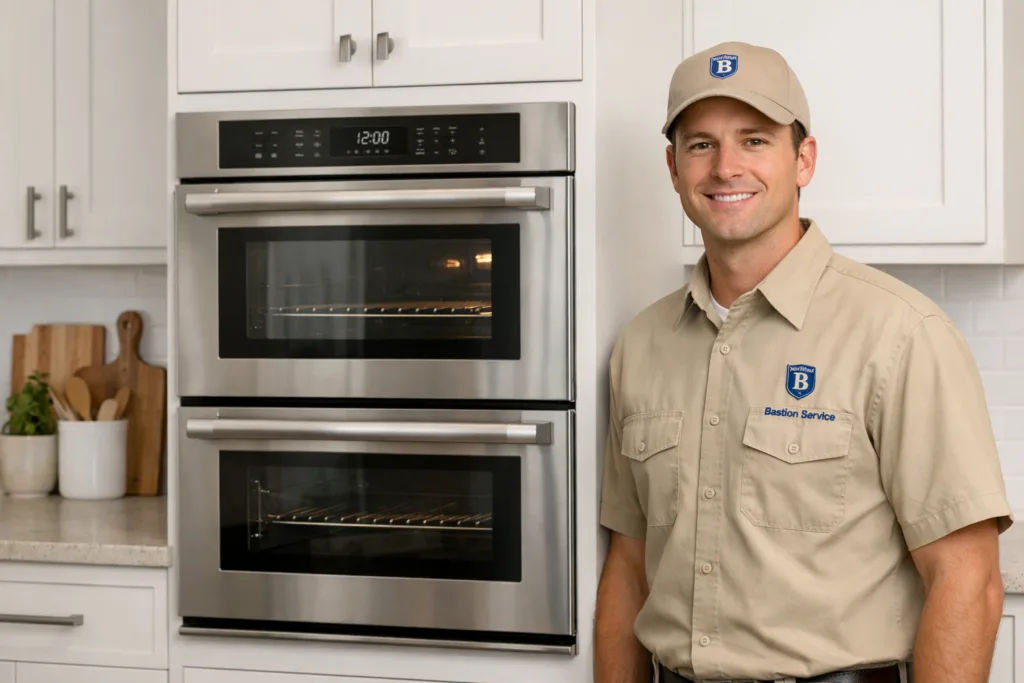
Wall ovens can fail in ways that look similar at first but come from very different causes. An oven that will not heat, takes far too long to preheat, or cooks unevenly may have a weak bake element, a drifting temperature sensor, a faulty igniter, a control problem, or an electrical supply issue. Sorting out the exact cause matters because the right repair for one symptom can be completely wrong for another.
Common wall oven problems homeowners notice
Slow preheat is one of the most frequent complaints. If the cavity eventually gets warm but takes much longer than it used to, the oven may be struggling to cycle heat correctly. On electric units, that can point to an element that is partially failing. On gas models, a weak igniter may draw enough power to glow but not enough to open the gas valve reliably. In households that also rely on a separate cooktop for daily meals, related burner performance concerns may be worth comparing as well. Cooktop Repair in El Segundo
Uneven baking is another common issue. Cookies may brown too quickly on one rack, casseroles may stay cool in the middle, or food may finish differently from left to right. These symptoms often suggest a sensor reading problem, poor heat circulation, a door seal that is leaking hot air, or an element that is not producing consistent heat. If temperature swings seem to happen from one cooking cycle to the next, the control system may also be part of the problem.
Some wall ovens appear to have power but will not actually begin a bake cycle. The display may light up, the keypad may respond, and the clock may work normally while the cavity never heats. That usually points away from a total power failure and toward a more specific fault such as an igniter, relay, thermal fuse, door-latch issue, or electronic control failure. Similar heat and preheat symptoms can show up on standard freestanding ovens too. Oven Repair in El Segundo
Smells, sounds, and door issues that should not be ignored
A burning odor, repeated clicking, popping noises, or visible sparking should be taken seriously. These signs can indicate wiring trouble, failing components, or overheating parts. A door that does not close evenly or no longer seals well can also create cooking problems by letting heat escape, forcing longer run times and reducing temperature stability.
After a self-clean cycle, some homeowners notice that the oven door stays locked, the controls freeze, or the appliance stops heating altogether. High heat during self-clean can expose existing weakness in latches, fuses, sensors, and control boards. If the oven became unreliable immediately after a clean cycle, that timing is often an important diagnostic clue.
What different symptoms can indicate
Total loss of heat does not always mean the appliance is beyond repair. In many cases, the failure is confined to one part of the heating circuit. A blown fuse, failed bake element, weak igniter, broken sensor, or damaged terminal connection can all stop normal operation. What matters is whether the rest of the oven is still in solid condition and whether the fault is isolated or part of a larger pattern.
Overheating can be just as disruptive as not heating enough. If food burns faster than expected, if the displayed temperature does not match actual cooking results, or if the exterior feels unusually hot, the cause may be a sensor problem, calibration drift, or a control board that is not regulating heat properly. Homes with a combination cooking setup may notice related control or burner concerns on a range at the same time. Range Repair in El Segundo
Intermittent problems can be the hardest to pin down. The oven may work one day and fail the next, shut off halfway through cooking, or show error codes only occasionally. These on-and-off symptoms often point to loose electrical connections, failing relays, heat-stressed boards, or switches that no longer respond consistently once the unit warms up.
When it makes sense to stop using the oven
It is usually best to stop using the appliance if it is tripping breakers, sparking, producing a strong electrical smell, overheating, or shutting off unpredictably during a cooking cycle. Continued use can worsen part damage and, in some cases, create a safety issue. If the door will not latch correctly or the controls behave erratically, limiting use until the fault is identified is the safer choice.
Milder symptoms still deserve attention, especially if they are getting worse. A slightly longer preheat time, light temperature inconsistency, or an occasional failure to start can turn into a complete breakdown with little warning. If the home also uses a separate stove and you are noticing burner or ignition issues there too, it may help to compare whether the problem is isolated to the wall oven or part of a broader cooking-appliance concern. Stove Repair in El Segundo
Repair or replacement?
For many El Segundo homeowners, the answer depends on the oven’s age, overall condition, and the specific part that has failed. Repairs are often worthwhile when the issue is limited to an igniter, heating element, sensor, gasket, switch, latch, or similar component. Replacement becomes more likely when there is major wiring damage, repeated electronic control failure, or several costly problems appearing at once in an older unit.
A practical service visit should do more than identify a bad part. It should explain why the symptom is happening, whether the repair is likely to restore consistent cooking performance, and whether the appliance still makes sense to keep. That is especially important with wall ovens, where installation style and cabinet fit can make the decision more involved than replacing a standard freestanding unit.
What to check before scheduling service
- Confirm whether the oven is completely dead or if the display still has power.
- Note whether the problem affects bake, broil, or both.
- Pay attention to preheat time, cooking accuracy, and any error codes.
- Check whether the issue began after a power outage or self-clean cycle.
- Look for obvious door-seal damage, unusual smells, or breaker trips.
Those details can make diagnosis faster and help narrow down whether the problem is with heat production, temperature sensing, control response, or power delivery. For a household appliance used every day, getting to the real cause quickly is often the most efficient path back to normal cooking.