
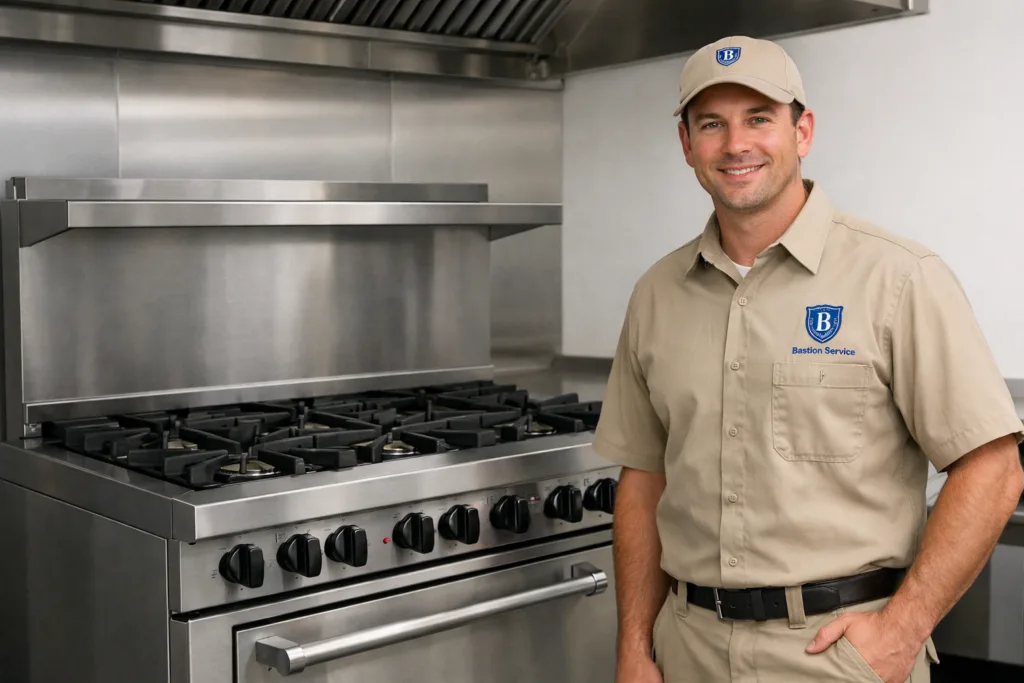




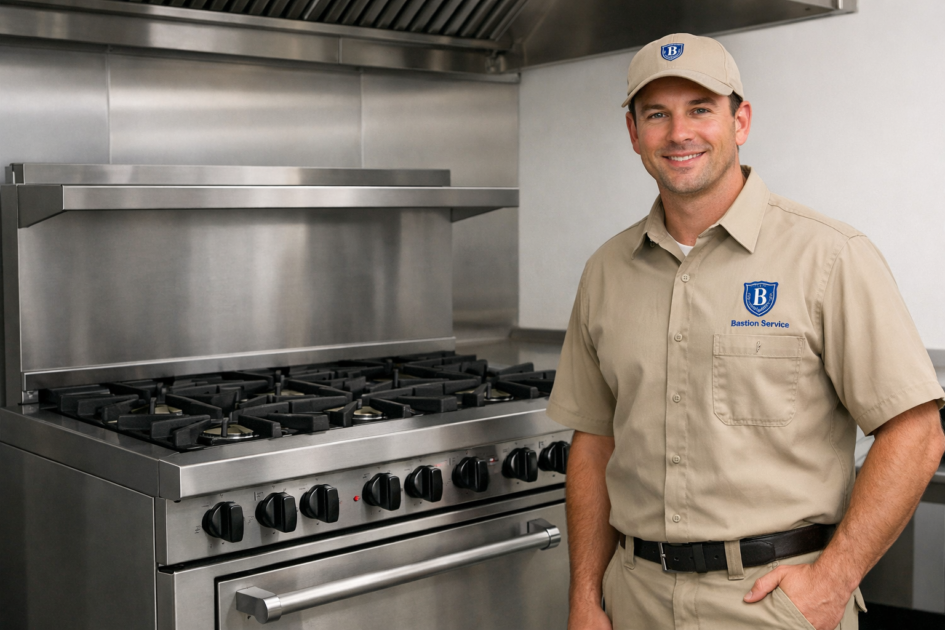
When a Vulcan oven, range, or fryer starts interfering with output, the repair decision should be based on how the equipment is behaving in actual kitchen use. A unit that heats slowly, shuts down mid-shift, misses set temperature, or becomes unreliable at startup can affect ticket times, product consistency, and staffing flow long before it fully fails. For businesses in Pico-Robertson, service is most useful when the problem is isolated quickly, the urgency is clear, and repair can be scheduled around operational needs.
For specific equipment paths in Pico-Robertson, review Vulcan Oven Repair in Pico-Robertson, Vulcan Range Repair in Pico-Robertson, and Vulcan Fryer Repair in Pico-Robertson.
Bastion Service works with businesses that need symptom-based repair planning for cooking equipment used every day. That includes determining whether a problem points to ignition components, burner performance, temperature sensing, controls, gas delivery, electrical faults, or wear that is starting to spread into broader downtime.
What Vulcan cooking equipment problems usually need repair attention
Vulcan cooking equipment often gives warning signs before a complete outage. Some issues show up as inconsistent heat, while others appear as delayed ignition, repeated resets, or longer recovery times during heavier use. Even when the equipment is still running, these symptoms can signal a fault that is already affecting performance and should not be treated as normal wear.
- Ovens that preheat slowly, run hot, run cool, or cook unevenly
- Ranges with weak burners, unstable flames, or ignition trouble
- Fryers that struggle to maintain oil temperature or recover too slowly after loading
- Units that shut down unexpectedly during service
- Controls that drift, overshoot, or fail to respond correctly
- Startup problems, pilot issues, or intermittent burner operation
These are not just nuisance issues. In a working kitchen, they can lead to wasted product, longer prep times, uneven results, and avoidable service interruptions.
Symptom patterns and what they often point to
Low heat, slow heat, or uneven cooking
If an oven is not reaching temperature, a fryer has poor heat recovery, or a range burner is underperforming, the fault may involve thermostats, sensors, burner assemblies, gas valves, calibration issues, or restricted heat transfer. The practical concern is not only slower cooking. Low or unstable heat changes timing, forces staff adjustments, and makes output less predictable across the shift.
When the same problem keeps returning, it usually means the issue is no longer minor. A service visit can help determine whether the problem is isolated to one part or whether multiple components are contributing to poor heating behavior.
Ignition problems and failed startup
Delayed ignition, a pilot that will not hold, repeated clicking, or burners that light inconsistently usually indicate a problem with the ignition system, flame sensing, switches, wiring, pilot components, or gas supply performance. These symptoms matter because startup reliability affects whether the equipment can be counted on during opening prep or active service.
If a unit needs repeated attempts to light, or if staff have started building extra time into the day because they do not trust the startup sequence, repair should be scheduled before the fault becomes a full no-heat condition.
Burners that will not stay stable
On ranges especially, unstable flames, uneven burner output, hot spots, or burners that drop out can disrupt prep and line work quickly. In some cases the issue is tied to buildup or wear. In others, the underlying cause is a control or ignition fault that affects overall reliability. Distinguishing between a localized burner problem and a broader system issue is an important part of deciding repair scope.
Control failures and random shutdowns
Unexpected shutdowns, unresponsive controls, repeated tripping, or erratic cycling can point to control boards, relays, safety devices, limit components, or electrical supply issues. These faults tend to be disruptive because they create uncertainty. A unit may appear to recover temporarily, then fail again during a production period when it is needed most.
When equipment is shutting down without a clear pattern, diagnosis is important not only to restore operation but also to determine whether continued use could damage other components or create a larger interruption later.
How these issues affect ovens, ranges, and fryers differently
Each equipment category creates its own operational problems when performance starts slipping. Looking at the symptom in context helps clarify the repair priority.
Oven performance problems
With ovens, the most visible issues are usually delayed preheat, temperature drift, uneven cooking, poor burner response, or controls that no longer match the actual cavity temperature. These problems often show up as inconsistent product results, uneven browning, or the need to rotate pans and extend cook times more than usual.
Range performance problems
With ranges, trouble is often easier to spot immediately because the burner performance is visible to the staff. Weak flame, delayed ignition, uneven heating, or a burner that cuts out can interfere with prep sequencing and make station timing harder to manage. When multiple burners begin acting unpredictably, the problem may extend beyond a single surface component.
Fryer performance problems
With fryers, urgency tends to rise quickly when temperature recovery becomes slow, heat is inconsistent, or the unit shuts down during volume periods. These symptoms affect batch timing, oil performance, and throughput. A fryer that cannot hold temperature may still appear operational, but it can already be costing time and consistency.
Signs the equipment should not be left in normal use
Some symptoms suggest the unit should be evaluated before it is used again under normal production demand. That is especially true when operation has become unpredictable rather than simply less efficient.
- Frequent shutdowns during active use
- Repeated relighting or restart attempts
- Temperature overshoot that affects product quality
- Burners that do not stay lit consistently
- Controls that require repeated adjustment to hold performance
- Noticeably slower output that staff are compensating for manually
If there is a persistent gas odor, stop using the equipment and address the gas safety concern first. For non-odor ignition problems, clicking, failed startup, or cycling issues, the safer next step is to arrange repair diagnosis before returning the unit to full demand.
When early repair is usually the better choice
Waiting is rarely helpful once staff have started adapting their routine around a faulty unit. If cooks are changing load sizes because a fryer recovers too slowly, rotating product because an oven cooks unevenly, or avoiding one section of a range because the burner is unreliable, the equipment is already affecting labor and output.
Early repair is often the better option when:
- The same symptom shows up across multiple shifts
- The problem is getting worse rather than staying stable
- The unit is still running but no longer running predictably
- Production delays are starting to stack up around one piece of equipment
- Staff workarounds have become part of the daily routine
Addressing the issue while the fault is still contained can be less disruptive than waiting for a complete failure during a high-demand period.
Repair versus replacement: how businesses usually evaluate it
Many Vulcan equipment problems are repairable when the issue is tied to serviceable parts such as igniters, sensors, valves, controls, burners, switches, or wiring-related faults. Replacement becomes a more serious consideration when breakdowns are frequent, multiple systems are failing at the same time, or the repair history shows a pattern of recurring downtime.
A useful service evaluation helps businesses compare the immediate repair need with the broader reliability picture. The real question is not only whether the unit can be fixed, but whether the expected result supports stable operation going forward.
Scheduling service in Pico-Robertson with less disruption
For businesses in Pico-Robertson, the best next step is usually to schedule service when the symptom pattern is clear enough to describe: poor heating, failed ignition, slow recovery, burner instability, control drift, or repeated shutdowns. That information helps narrow the likely fault, prioritize the visit, and decide whether the unit should remain in operation until it is inspected.
If Vulcan cooking equipment is slowing production or creating uncertainty in the kitchen, arranging service promptly can help limit downtime, reduce guesswork, and move the equipment back toward reliable daily use.


