




Viking appliances often show problems in ways that seem straightforward at first, but the symptom on the surface is not always the real fault. A refrigerator that feels warm may have an airflow or defrost issue rather than a compressor failure. A range burner that will not light may be dealing with ignition contamination, a switch problem, or a gas-flow issue. Starting with the symptom pattern helps narrow the repair path and avoids replacing parts based on guesswork.
Why symptom patterns matter with Viking appliances
Across refrigeration and cooking products, Viking units use multiple systems that can create similar complaints for very different reasons. Temperature instability, repeated clicking, poor ice production, slow preheating, and noisy operation all need to be interpreted in context. What the appliance does before, during, and after the problem appears can say more than the problem itself.
For homeowners in Rancho Palos Verdes, that usually means paying attention to whether the issue is constant or intermittent, whether one function is affected or the whole appliance is struggling, and whether there were recent power interruptions, unusual odors, leaks, or performance changes. Those details make it easier to judge whether the issue is minor wear, a control-related problem, or a larger mechanical failure.
Common Viking refrigerator and freezer symptoms
Warm temperatures and food spoilage concerns
If a Viking refrigerator is running but not cooling properly, the cause may involve condenser airflow, evaporator fan operation, defrost components, sensors, or electronic controls. In some cases, the refrigerator section warms while the freezer still seems normal. In others, both compartments lose temperature together. That difference is important because it helps separate an internal airflow issue from a broader cooling-system problem.
A freezer that starts softening frozen food, develops excess frost, or cycles unevenly should not be ignored. Frost buildup can point to door-seal leaks, defrost failure, or restricted airflow. A unit that runs almost constantly may be trying to compensate for heat entering the cabinet, poor heat exchange, or inaccurate temperature sensing.
Water leaks, ice buildup, and unusual noise
Water under or inside a refrigerator does not always mean a cracked line. It may come from a blocked drain, excess condensation, defrost drainage problems, or an ice maker issue. Clicking, buzzing, rattling, and fan noise can also mean very different things depending on when the sound occurs. A brief operational sound may be normal, while repeated or loud changes in sound often suggest a fan motor, compressor starting issue, or vibration problem that deserves inspection.
Ice maker and ice production problems
When a Viking ice maker stops producing, makes hollow cubes, leaks, or harvests inconsistently, the problem may be tied to water supply, temperature conditions, inlet components, or the ice maker assembly itself. If the refrigerator is also failing to maintain temperature, the ice complaint is often secondary to the cooling issue. Looking at both symptoms together usually gives a more accurate repair direction than treating ice production as a separate problem.
Wine cooler performance issues
Wine coolers tend to show trouble through drifting temperature, heavy condensation, fan noise, or controls that no longer hold settings consistently. Because these appliances are built for stable storage rather than rapid recovery, even modest fluctuation can point to sensor drift, poor door sealing, airflow restriction, or control failure. If the cooler cycles too often or develops moisture inside the cabinet, it is usually a sign that the unit is working harder than it should.
Common Viking cooking appliance symptoms
Cooktop and range burner problems
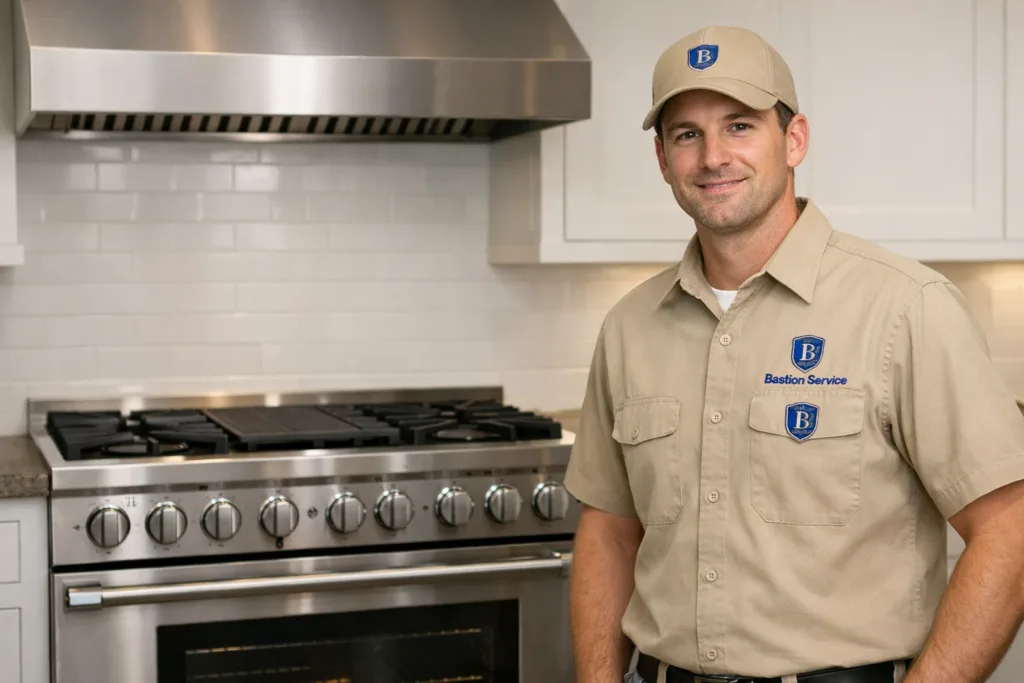
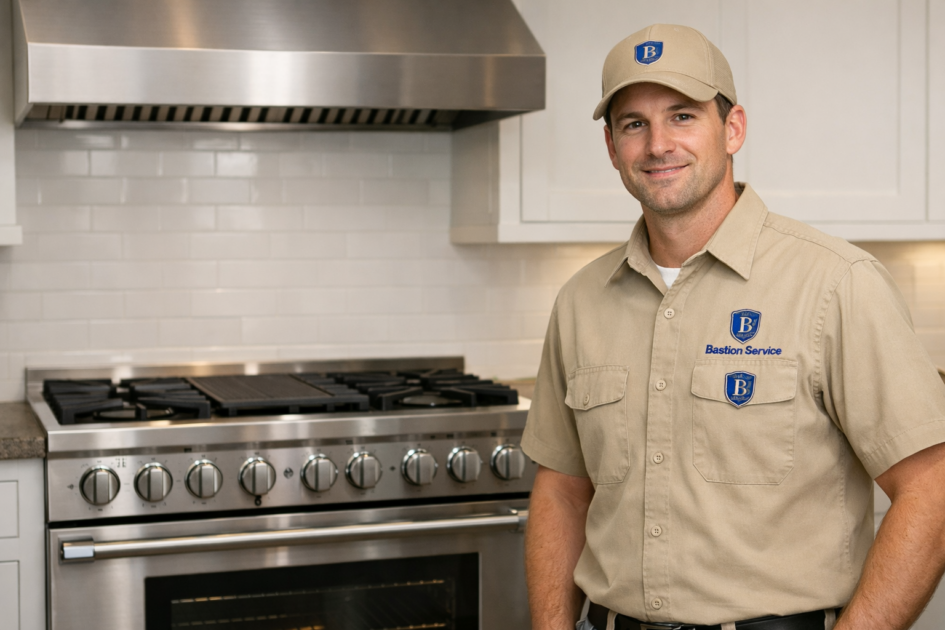
Viking cooktops and ranges often develop symptoms such as repeated clicking, delayed ignition, uneven flame, weak heat, burners that will not spark, or controls that stop responding as expected. If only one burner is affected, the issue may be isolated to an electrode, igniter, burner cap alignment, switch, or local wiring. If several burners are acting up at once, diagnosis may shift toward incoming power, gas regulation, moisture intrusion, or a shared control issue.
Repeated clicking without ignition should be checked before regular use continues. If there is a strong or persistent gas odor, stop using the appliance and treat that as a safety concern first.
Oven and wall oven heating issues
Ovens and wall ovens commonly show problems through slow preheat, uneven baking, failure to reach set temperature, temperature overshoot, interior light failure, door sealing issues, or shutdown during operation. These symptoms may be tied to igniters, bake or broil elements, sensors, relays, controls, or heat-retention problems around the door and cavity.
When an oven browns unevenly, struggles to recover heat, or produces very different results from one rack to another, that usually indicates more than normal variation. Airflow imbalance, weakened heating components, and inaccurate temperature sensing are all possible causes. If the appliance trips power or overheats, it should be evaluated promptly rather than pushed through repeated use.
Signs the problem is getting worse
Some appliance issues stay relatively stable for a while. Others escalate quickly. These warning signs usually mean the problem is progressing:
- Cooling temperatures keep rising day by day
- Frost buildup returns soon after being cleared
- Burners ignite inconsistently or take longer each time
- Oven preheat times continue to increase
- New leaks appear around or under the appliance
- Noises become louder, more frequent, or more mechanical sounding
- Controls behave intermittently instead of failing in a single obvious way
When symptoms change from occasional to repeatable, there is usually a real underlying fault rather than a one-time operating glitch.
When to schedule service
Service is usually warranted when the appliance can no longer perform its basic job, when the same symptom returns repeatedly, or when continued use could lead to food loss, water damage, or electrical stress. A refrigerator that cannot hold temperature, a freezer that is thawing, a leaking built-in unit, or an oven with unstable heat all justify prompt attention.
It also makes sense to schedule help when the appliance still works, but only inconsistently. Intermittent failures are often the most frustrating because they disrupt normal use without providing a clear pattern. That is especially true with sensors, controls, ignition systems, and fan-related cooling issues.
When repair makes sense and when replacement may be worth considering
Repair is often the right choice when the appliance is otherwise in solid condition and the problem is limited to a specific failed component or serviceable system. Replacement becomes more relevant when there are multiple overlapping failures, a long repair history, severe cooling-system issues, or age-related wear affecting overall reliability.
The goal is not to push one outcome over the other. It is to understand whether the current problem is isolated and cost-effective to correct, or whether it is part of a broader decline in performance. For many Rancho Palos Verdes households, that decision comes down to present condition, repair scope, and how essential the appliance is to daily use.
What to note before a technician arrives
A few observations from the homeowner can make diagnosis faster and more accurate. Helpful details include:
- When the problem first started
- Whether the issue is constant or intermittent
- Whether all functions are affected or only one area
- Any recent power outage or breaker event
- Changes in noise, odor, frost, leaking, or heat output
- For ovens, whether the issue happens during preheat or while maintaining temperature
- For refrigerators, current compartment temperatures if available
Even small details can help distinguish between a control problem, a heating failure, an airflow issue, or normal wear that has progressed into a repair need.
Choosing the right next step for a Viking appliance
Viking refrigerator, freezer, ice maker, wine cooler, cooktop, oven, range, and wall oven issues do not all follow the same repair path, even when the symptoms seem similar. The most useful approach is to look at how the appliance behaves as a whole, identify what system is actually failing, and then decide whether repair is the sensible next step for the unit in your home.


