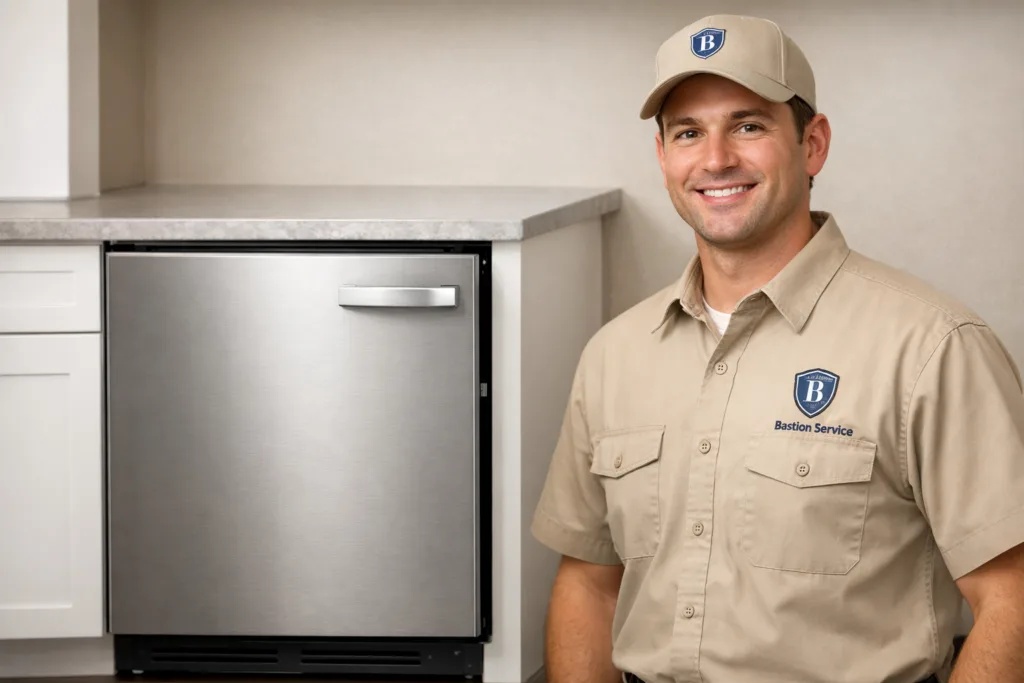
A U-Line refrigerator that starts running warm, leaking, or sounding different can lead to food spoilage and damage to nearby cabinetry if the cause is left unresolved. In many Beverly Hills homes, the most useful first step is to match the symptom to the likely system involved, since similar cooling complaints can come from airflow restrictions, control faults, fan failures, door seal problems, or more serious refrigeration issues.
How symptom patterns help narrow down the problem
U-Line refrigerators are often installed where quiet operation, consistent temperatures, and a built-in appearance matter. Because of that, small performance changes are usually noticeable early. A refrigerator that cools unevenly, cycles too often, or develops moisture around the door may still be running, but not correctly. Looking at when the symptom happens, how often it appears, and whether it is getting worse helps determine whether the problem is minor or points to a larger component failure.
Warm interior or drifting temperatures
If the refrigerator is not holding temperature, several faults are possible. Restricted airflow, dust around the condenser area, a weak evaporator fan, sensor or control problems, and compressor-related issues can all reduce cooling performance. Some homeowners notice that beverages feel cool while perishable food does not stay reliably cold. Others see the unit recover slowly after the door is opened. Those details matter because they help separate circulation issues from actual loss of cooling capacity.
Temperature swings also deserve attention even if the refrigerator has not fully stopped cooling. Intermittent warm periods can stress food safety and often signal a problem that is worsening rather than correcting itself.
Frost buildup or poor airflow
Frost inside the compartment, blocked vents, or cold spots in one area and warmer spots in another can indicate trouble with airflow, defrost function, or door sealing. When frost accumulates, air may no longer move as intended through the cabinet. That can make the refrigerator seem partly functional while certain shelves or sections no longer stay at a safe temperature.
If a door gasket is loose, torn, or not sealing evenly, warm room air can enter and create a repeating cycle of condensation and frost. In a built-in kitchen layout, this can be easy to miss until the interior starts showing obvious moisture or cooling inconsistency.
Water leaks or excess condensation
Water under the refrigerator or moisture collecting inside can come from a blocked drain path, excess humidity entering through a poor seal, or frost melting in the wrong place because normal airflow has been disrupted. Even a small recurring leak should be checked promptly. Water can spread under the appliance, affect surrounding flooring, and leave moisture trapped near the installation area.
Condensation around the door frame or on shelves may look minor at first, but it often points to a problem that affects efficiency and temperature stability at the same time.
New noises, frequent cycling, or constant running
U-Line refrigerators are generally expected to operate with limited noise. Buzzing, clicking, rattling, or a fan sound that seems louder than normal can suggest a failing motor, vibration issue, relay problem, or a system working harder than it should. A refrigerator that rarely shuts off may be struggling to reach the set temperature because of airflow restriction, control trouble, dirty heat-exchange surfaces, or a deeper refrigeration fault.
Changes in sound are especially important when they appear together with warmer temperatures, frost, or moisture. One symptom alone can sometimes be minor, but several at once usually mean the unit needs service sooner rather than later.
Signs the refrigerator should be serviced soon
Homeowners often notice warning signs before a complete breakdown. These include food not staying as cold as usual, a section near the door feeling warmer, condensation returning after it is wiped away, or operating sounds changing over several days. A refrigerator may still appear to work while these issues develop, but continued use can increase strain on key components.
- Milk, produce, or leftovers spoil faster than expected
- The refrigerator runs much longer than normal
- Frost keeps returning after manual cleaning
- Water collects under crisper drawers or beneath the unit
- The door does not close or seal as firmly as before
- The cabinet is cool in some areas but warm in others
When these symptoms recur, service is usually more sensible than waiting for a full no-cool condition.
Common repair paths for U-Line refrigeration issues
The right repair depends on the failed part and on the condition of the rest of the appliance. Some problems are relatively contained, while others point to more extensive work. In general, repair decisions often involve checking the following areas:
- Evaporator or condenser fan operation
- Temperature controls, sensors, and electronic regulation
- Door gaskets and alignment
- Drain lines and moisture management
- Defrost-related components where applicable
- Compressor start components and cooling-system performance
Issues involving seals, drains, fans, or accessible electrical parts are different from major sealed-system failures. That distinction is important because it affects both repair complexity and whether the unit is worth restoring.
Repair or replacement: what usually decides it
Not every U-Line refrigerator problem leads to replacement, and not every repair is the best long-term investment. The decision usually depends on the age of the appliance, the exact component failure, the overall reliability of the unit, and whether the repair is likely to restore stable daily use.
Repair is often more reasonable when the problem is isolated and the refrigerator is otherwise in good condition. Replacement becomes more likely when there are repeated cooling complaints, multiple failing parts, or signs of major refrigeration-system trouble combined with high repair cost. For households in Beverly Hills, the goal is usually not just to make the refrigerator run again, but to restore confidence that it will hold temperature consistently.
Why early attention matters in built-in kitchen spaces
Many U-Line units are installed in finished kitchen layouts where moisture, heat buildup, and poor ventilation can affect more than the appliance itself. A slow leak can damage flooring or cabinet bases. A refrigerator that runs excessively can generate unwanted heat in a tightly fitted space. A weak seal can create ongoing condensation that is easy to overlook until staining or warping appears nearby.
Addressing the issue early helps limit secondary damage and reduces the chance that a smaller cooling problem turns into a more expensive failure.
What to do before service
Before arranging a visit, it helps to note the exact symptom pattern. Try to identify whether the problem is constant or intermittent, whether frost or moisture is visible, and whether the refrigerator is louder than usual. If food temperatures are no longer reliable, move perishables elsewhere rather than waiting to see if the unit recovers on its own.
A symptom-based review gives homeowners a better idea of whether the issue points to airflow, controls, drainage, sealing, or a more serious cooling fault. That makes it easier to decide on the next step and whether repair is practical for the appliance in its current condition.