
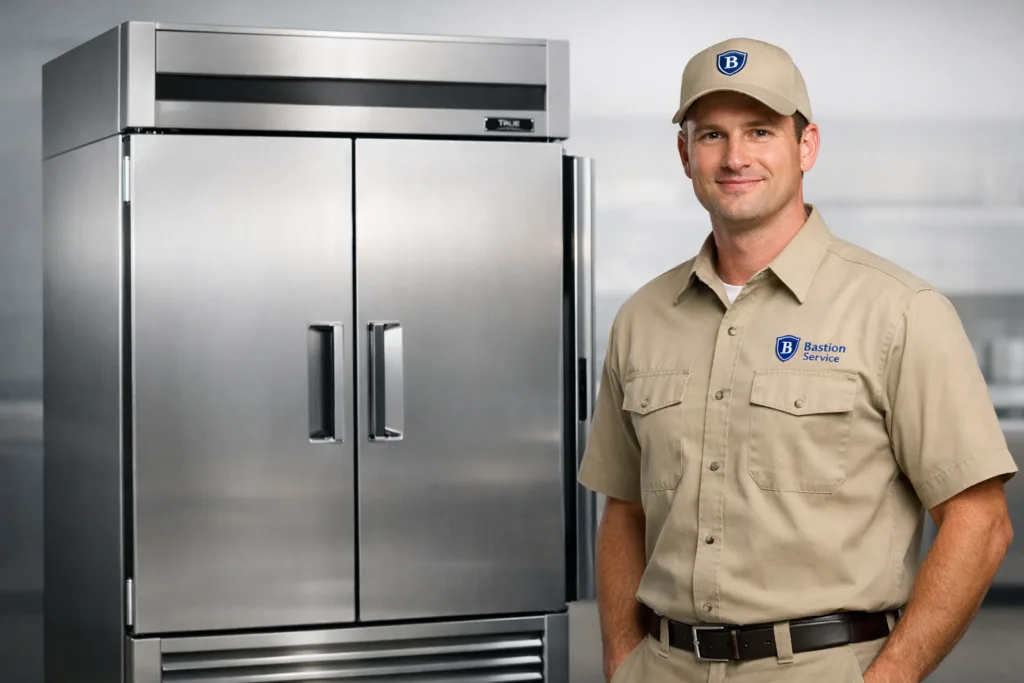




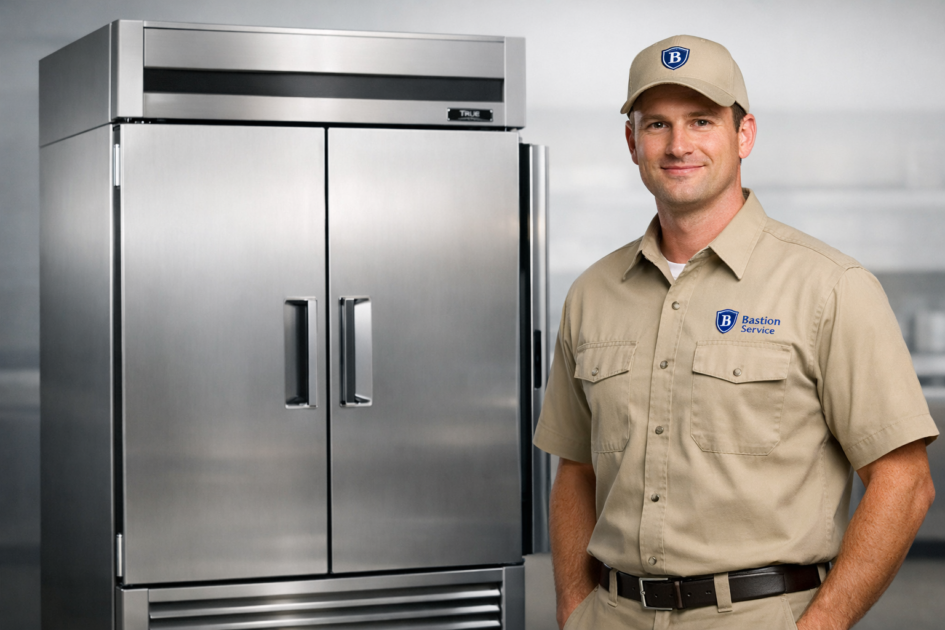
Unexpected temperature drift, water on the floor, or a refrigerator that suddenly runs louder than usual can interrupt service fast. For businesses in West Los Angeles, the most effective next step is to have the unit evaluated based on the exact symptom pattern, operating condition, and likely point of failure so repair scheduling can match the urgency of the downtime.
Related commercial service paths in West Los Angeles include True Commercial Repair in West Los Angeles, Commercial Fridge Repair in West Los Angeles, and True Freezer Repair in West Los Angeles.
What True refrigerator service should focus on
True refrigerators are often used in kitchens, prep areas, service lines, storage rooms, and other workspaces where stable holding temperature and consistent recovery are essential. A proper service visit should look beyond the obvious complaint and check how the cabinet is actually performing under load. That includes temperature behavior, airflow, fan operation, door seal condition, coil cleanliness, defrost performance, drainage, controls, and compressor response.
Bastion Service helps West Los Angeles businesses sort out whether the issue is a targeted repair, a developing system problem, or a condition that is likely to keep causing repeat interruptions if it is not addressed fully.
Common True refrigerator symptoms and what they may indicate
Why is my True refrigerator not holding temperature?
If the cabinet is warm, slow to recover, or fluctuating throughout the day, several different faults may be involved. Restricted condenser airflow, evaporator frost buildup, weak fan motors, sensor or control issues, worn door gaskets, and refrigeration-system problems can all produce similar temperature complaints. That is why a warm cabinet should not be treated as a one-part diagnosis.
For a business, unstable temperature usually means more than inconvenience. It can affect product quality, staff workflow, and confidence in the equipment during peak use. If the unit is running longer than normal to compensate, the strain on other components can increase as well.
Frost buildup inside the cabinet or on the evaporator area
Frost often points to warm-air intrusion, a door that is not sealing correctly, a defrost problem, or poor air circulation across the coil. In some cases, the frost pattern helps identify whether the issue is isolated to airflow and defrost components or tied to a deeper cooling performance problem.
Once ice begins to block airflow, the refrigerator may still appear to be operating while cabinet temperature becomes less consistent. Businesses often notice this first as uneven cooling from top to bottom, product near one section getting warmer, or longer run times after routine door openings.
Leaks, pooling water, or recurring moisture
Water under or inside a True refrigerator can come from a clogged drain line, frozen drain path, excessive condensation, poor leveling, or a door-seal issue that allows moisture to build up faster than the unit can manage it. A leak should be addressed quickly because it creates both cleanup problems and a slipping hazard in active work areas.
Moisture complaints are also worth checking for related cooling issues. A refrigerator that is taking in too much warm air may show both water and temperature symptoms at the same time.
The refrigerator runs constantly or short cycles
A unit that barely shuts off may be struggling with heat exchange, dirty coils, weak condenser airflow, door leakage, ice restriction, or refrigeration-system inefficiency. Short cycling can point to control issues, electrical faults, or compressor-related stress. Either pattern can lead to rising wear and inconsistent performance.
Businesses often notice these problems before a full cooling failure occurs. If operating sound or cycle pattern has clearly changed, service is usually best scheduled before the refrigerator moves from warning signs to a complete interruption.
Noisy operation or vibration
Buzzing, rattling, clicking, fan noise, or stronger-than-normal vibration does not always mean the same part has failed. Noise may come from fan motors, mounting issues, panels, compressor strain, or airflow restrictions that are affecting how the system runs. The useful question is not just what the sound is, but when it happens and whether cooling performance changed at the same time.
Power is on, but cooling is weak
When lights and controls appear normal but the cabinet does not hold temperature, the issue may involve a control signal problem, fan failure, frost restriction, poor condenser performance, or deeper refrigeration-system loss. This kind of symptom usually needs hands-on diagnosis rather than guesswork, especially when the refrigerator is still partially cooling and making the problem look smaller than it is.
How symptom-based diagnosis helps avoid wasted downtime
Many refrigerator failures overlap in appearance. A unit with bad airflow can resemble a unit with a control issue. A defrost problem can look like weak cooling. A gasket leak can push the system into constant running and make staff suspect the compressor. Because of that, replacing parts based only on the most visible symptom can lead to extra delays, unnecessary expense, and no real improvement.
A useful diagnosis should connect the complaint to actual operating conditions. That means checking temperatures, frost pattern, airflow path, fan function, coil condition, drainage, control response, and how the refrigerator behaves during a normal work cycle. For businesses in West Los Angeles, that approach matters because the goal is not simply to make the box cold for a moment, but to restore stable operation that supports daily use.
When to schedule repair service
Service should be scheduled promptly when the refrigerator is no longer maintaining safe temperatures, recovering slowly after door openings, building repeated frost, leaking water, making new mechanical noise, or showing signs that it is running harder than usual. Waiting can turn a smaller repair into a more expensive interruption, especially if the unit is compensating continuously.
- Cabinet temperature is rising or drifting during the day
- Fans sound different or airflow feels weak
- Ice keeps returning after being cleared
- Water is pooling near the unit
- The compressor seems to run almost nonstop
- Stored product is becoming difficult to manage confidently
If staff are already adjusting around the refrigerator instead of relying on it, that is usually a sign the repair decision should not be delayed.
Repair or replacement: what businesses should weigh
Not every problem points to replacement, and not every older refrigerator should be repaired automatically. The right decision depends on the failed components, cabinet condition, service history, overall wear, and whether the unit is likely to return to stable operation without repeat disruption.
Repair often makes sense when the issue is tied to fans, controls, gaskets, defrost components, drainage, or maintenance-related airflow restrictions and the cabinet itself remains solid. Replacement becomes a stronger consideration when the refrigerator has repeated major failures, significant refrigeration-system concerns, or repair costs that no longer fit the unit’s expected reliability.
For many West Los Angeles businesses, the key question is not simply whether the unit can run again, but whether the next repair supports uptime in a way that makes operational sense.
How to prepare for a True refrigerator service visit
Before service is scheduled, it helps to note the main symptom clearly: whether the cabinet is warm, leaking, frosting over, cycling oddly, or making unusual noise. If possible, identify when the problem is worst, whether it changes during busy hours, and whether the issue is constant or intermittent.
Helpful details include:
- How long the temperature problem has been happening
- Whether the issue affects the entire cabinet or only part of it
- If doors are closing and sealing normally
- Whether frost is visible on interior panels or around the evaporator area
- If water appears inside the cabinet, under it, or both
- Any recent changes in sound, cycle length, or recovery time
That information can make diagnosis more efficient and help determine whether the problem is likely tied to airflow, controls, defrost, drainage, or a larger cooling failure.
Service decisions should match the actual operating risk
True refrigerator problems tend to become more disruptive once they move beyond early warning signs. A cabinet that is still partially cooling can still be putting product at risk, overworking major components, and creating avoidable workflow problems. For businesses in West Los Angeles, the best next step is usually to schedule repair based on the symptom behavior now, before the unit progresses from unstable performance to a complete loss of refrigeration.


