
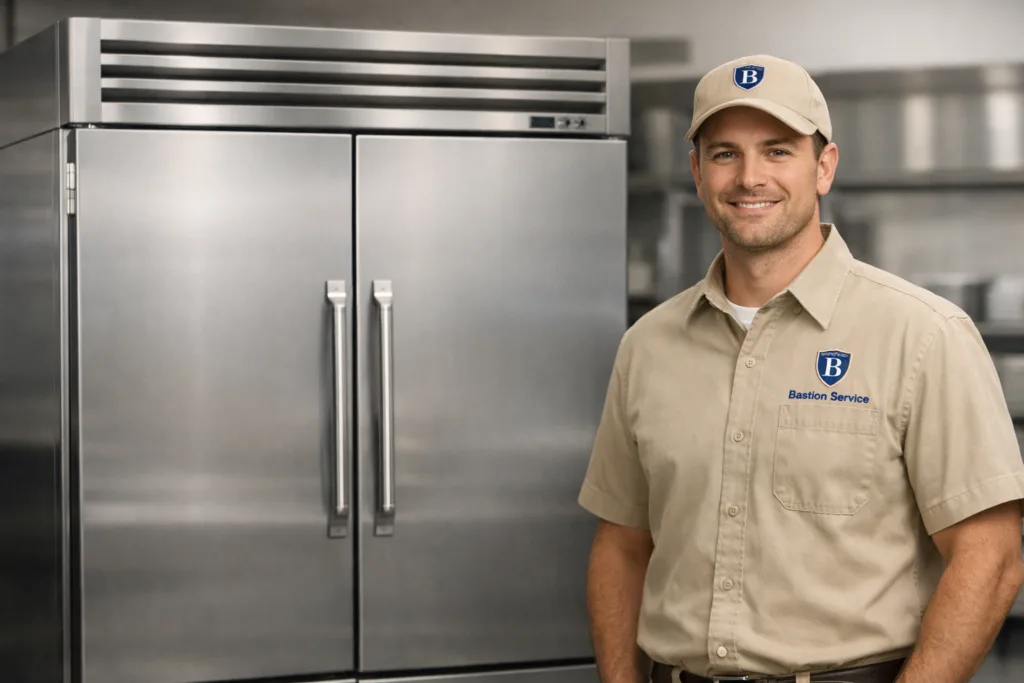




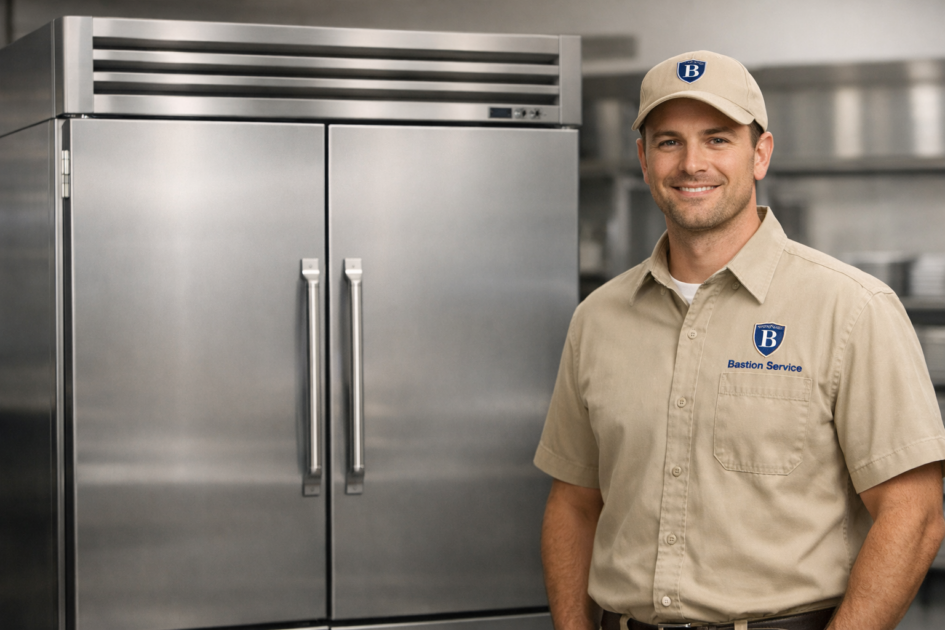
When a True refrigerator begins running warm, building frost, leaking, or cycling in a way that disrupts daily operations, the priority is getting the problem tested before product loss or workflow issues spread. For businesses in Hawthorne, service is most useful when the visit focuses on the exact symptom pattern, how the cabinet is performing under load, and what repair steps are most likely to restore stable operation. Bastion Service works with businesses that need timely diagnosis, repair scheduling, and realistic guidance on whether the unit can stay in use while the issue is being addressed.
Related commercial service paths in Hawthorne include True Commercial Repair in Hawthorne, Commercial Refrigerator Repair in Hawthorne, and True Freezer Repair in Hawthorne.
Common True Refrigerator Problems That Need Service
Temperature swings and warm storage zones
If the cabinet cannot hold a consistent temperature, the cause may be more than one failing part. Warm sections, uneven cooling from top to bottom, or product freezing in one area while another stays too warm can point to restricted airflow, evaporator fan problems, dirty condenser coils, sensor or control issues, damaged door gaskets, or compressor-related strain. In a busy kitchen, prep area, or storage space, even minor temperature drift can quickly become an inventory risk.
Constant running or short cycling
A refrigerator that seems to run nonstop is often compensating for lost efficiency. Dirty coils, blocked airflow, weak door seals, fan motor wear, and refrigerant system stress can all force longer run times. Short cycling can indicate a different set of concerns, including electrical faults, control board problems, start component issues, or an overheating compressor. Either pattern should be checked promptly because it usually means the equipment is working harder than normal to maintain temperature.
Frost buildup, condensation, and leaks
Frost on interior panels, moisture near the door opening, water collecting under the cabinet, or repeated drain problems often point to air intrusion or defrost-related issues. Worn gaskets, poor door alignment, clogged drains, and airflow faults are common reasons a True refrigerator starts showing both moisture problems and cooling instability. If left alone, these symptoms can affect shelf temperatures, increase ice formation, and create slipping hazards around the unit.
Loud operation or new mechanical sounds
Buzzing, rattling, clicking, humming, or louder-than-normal fan noise usually means something has changed in the operating condition of the refrigerator. Loose hardware, worn fan blades, failing motors, compressor stress, or vibration from mounting issues can all create noise. While sound changes do not identify the repair by themselves, they often help narrow the diagnosis when paired with poor cooling, long run times, or intermittent shutdowns.
Why a True Refrigerator May Not Be Holding Temperature
When a cabinet will not stay in range, it is important to look beyond the thermostat display. Temperature loss can be caused by restricted condenser airflow, evaporator fan failure, sensor drift, faulty controls, weak door sealing, iced coils, or a sealed-system problem. The symptom may look simple from the outside, but the repair decision depends on confirming where cooling performance is being lost.
In Hawthorne, businesses often notice the issue first through softer product, delayed pull-down times, uneven recovery after door openings, or staff adjusting settings repeatedly without improvement. Those signs usually mean the refrigerator needs testing rather than more trial-and-error adjustments.
Symptoms That Usually Mean Service Should Be Scheduled Soon
- The cabinet temperature does not recover after normal door openings.
- Some shelves stay cold while others run noticeably warm.
- The refrigerator runs nearly all day with little rest.
- Frost or condensation keeps returning after cleanup.
- Water appears around or beneath the unit more than once.
- The door no longer seals tightly or closes cleanly.
- The unit starts making louder or unfamiliar noises.
- The refrigerator trips power, shows erratic operation, or shuts down intermittently.
These symptoms often point to a problem that is already affecting uptime, energy use, or product protection. Waiting too long can increase wear on major components and turn a manageable repair into a longer interruption.
How Symptom-Based Diagnosis Helps Avoid Unnecessary Repairs
Different faults can create the same complaint. A warm cabinet might be caused by a blocked coil, a failing fan, a control problem, a bad gasket, or low refrigeration performance. Replacing parts based only on the first visible symptom can add cost without solving the actual failure. A better approach is to verify temperatures, check airflow through the cabinet, inspect door condition, review run behavior, and test the components tied to the complaint.
That process matters for businesses trying to protect both inventory and labor. If a refrigerator is central to prep, storage, or front-line service, repair decisions need to be based on the condition of the unit as it is operating now, not on assumptions from a similar past issue.
Repair Issues Often Found on True Refrigerators
Airflow and fan-related faults
When air cannot move correctly across the condenser or evaporator, cooling performance drops fast. Fan motors, blocked vents, ice accumulation, and coil contamination can all create weak airflow. These issues often show up as long run times, uneven temperatures, or sections of the cabinet that no longer cool consistently.
Door seal and infiltration problems
A gasket that is torn, flattened, or no longer sealing lets warm air enter continuously. That added moisture can lead to condensation, frost, and poor temperature recovery. In high-traffic environments, small door problems can quickly create larger cooling complaints.
Drain and moisture management problems
Water leaks are not always a plumbing issue. A clogged drain line, frozen drain path, or excess condensation from air infiltration can all leave water around the refrigerator. Identifying why the moisture is forming is important, because simply cleaning up the leak does not prevent it from coming back.
Controls, sensors, and electrical issues
Inconsistent cycling, inaccurate cabinet temperatures, and unpredictable operation can be tied to sensors, thermostatic controls, relays, wiring faults, or other electrical components. These problems can mimic airflow or cooling issues, so testing is important before repair approval.
Repair Versus Replacement: What Businesses Usually Need to Consider
Many True refrigerator problems are repairable when the cabinet is structurally sound and the failure is limited to serviceable components such as motors, controls, gaskets, drains, or related parts. Repair usually makes sense when the fault is isolated, the unit has been performing well overall, and the expected result is stable cooling after service.
Replacement becomes a more serious option when breakdowns are recurring, temperatures remain unreliable after previous repairs, or the cost of restoring performance starts approaching the value of the unit’s remaining service life. For Hawthorne businesses, the decision often comes down to downtime exposure, product risk, and whether the refrigerator can return to reliable daily use after the recommended work is completed.
What to Prepare Before the Service Visit
A faster appointment often starts with a few details gathered in advance. If possible, note when the problem started, whether it is constant or intermittent, what temperature pattern staff have observed, and whether the issue gets worse during heavy use. It also helps to know if the unit has been cleaned recently, whether the door has been closing properly, and if any alarms, unusual sounds, or leaks have been noticed.
- Record the current cabinet temperature if available.
- Note whether the problem affects the whole cabinet or one zone.
- Watch for frost, water, or visible airflow blockage.
- Listen for clicking, buzzing, or fan noise changes.
- Limit unnecessary door openings if temperature is unstable.
Practical Next Steps for Businesses in Hawthorne
If a True refrigerator is no longer holding temperature, showing frost or water problems, or running with obvious stress, the safest next move is to schedule service before the issue causes a broader interruption. A service-oriented visit should identify the likely fault, explain whether the unit can remain in use, and outline the repair path needed to restore dependable cooling. For businesses in Hawthorne, that kind of symptom-based assessment helps turn a disruptive equipment problem into a manageable repair decision.


