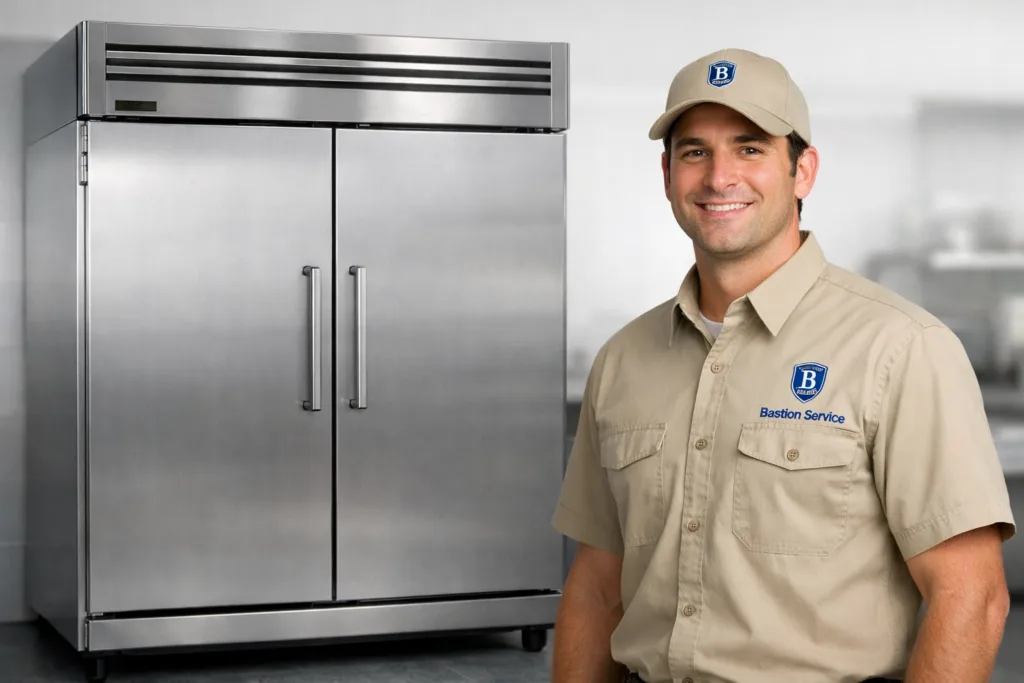




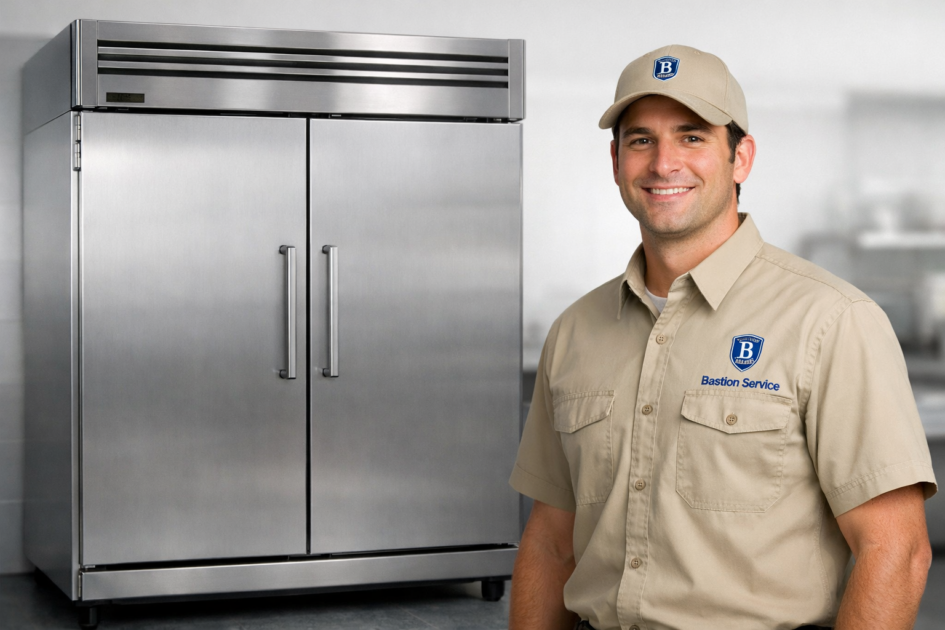
Freezer problems interrupt daily operations fast, especially when inventory depends on stable holding temperatures and predictable recovery after door openings. For businesses in Marina del Rey, the right repair visit should focus on the actual symptom pattern, the urgency of the failure, and the next step that best protects product and workflow. Bastion Service handles True freezer repair by identifying what is affecting temperature control, airflow, defrost performance, door sealing, or component operation before the issue grows into a larger shutdown.
Related commercial service paths in Marina del Rey include True Commercial Repair in Marina del Rey, Commercial Freezer Repair in Marina del Rey, and True Refrigerator Repair in Marina del Rey.
Why a True freezer stops holding temperature
If a freezer is no longer staying cold enough, the cause may be simple, or it may involve several conditions happening at once. A unit can run while still failing to protect product if airflow is restricted, the evaporator is icing over, the condenser is dirty, the door is leaking warm air, or a fan motor is slowing down. In other cases, sensors, controls, defrost components, or refrigeration parts may be affecting box temperature and recovery time.
What matters most is how the problem appears in real use. Some freezers run warm all day. Others start normally, then drift upward after repeated openings. Some freeze unevenly, with one section performing differently than another. Those details help narrow down whether the issue is related to heat intrusion, frost buildup, circulation, electrical controls, or reduced cooling capacity.
Symptoms that usually point to repair needs
Temperature swings or product softening
When product consistency changes, the freezer may be losing its ability to pull down and maintain the target range. This can happen with weak airflow, failing fans, control problems, or refrigeration stress. Even if the unit still feels cold, unstable temperatures often mean the box is working harder than it should and may be close to a larger failure.
Frost buildup inside the cabinet
Frost on walls, shelves, door frames, or around the evaporator area often means moisture is entering the cabinet or the unit is not clearing ice correctly during defrost. Worn gaskets, misaligned doors, frequent openings, blocked drains, and defrost faults can all contribute. Heavy frost is more than a visual nuisance because it reduces airflow and slows recovery.
Freezer runs constantly
A freezer that rarely cycles off is often compensating for warm air entering the cabinet, poor condenser performance, icing on the evaporator, or declining cooling output. Constant operation increases wear and can lead to higher electrical strain, especially when the system is trying to overcome a condition that will not improve on its own.
Fan noise, buzzing, clicking, or rattling
Noise changes often provide useful clues. A fan blade hitting ice, a motor beginning to fail, a relay struggling to start, or a vibrating panel can all change the sound profile of the unit. If unusual noise appears together with rising temperature or frost, repair should move up in priority.
Water leaks or ice near the base
Leaks around a freezer can point to drain issues, defrost problems, excess condensation, or door-seal conditions that are allowing moisture into the cabinet. Water near the base can also create safety concerns in kitchens, prep areas, and storage spaces, so it should not be treated as a minor inconvenience.
Why fast service matters for businesses in Marina del Rey
Freezer issues tend to spread. A small gasket leak can lead to frost. Frost can restrict airflow. Restricted airflow can raise box temperature and increase compressor run time. What begins as a manageable repair can become a more expensive problem if the freezer is forced to keep operating under the wrong conditions.
Quick scheduling is especially important when the unit is not recovering after normal openings, when products are softening, when alarms repeat, or when the cabinet is visibly icing over. In those cases, the goal is not only to restore cooling but also to prevent avoidable inventory loss and disruption to staff routines.
Common problem areas on a True freezer
- Door gaskets that no longer seal tightly
- Evaporator fans not moving enough air
- Condenser coils loaded with dust and grease
- Defrost components not clearing ice correctly
- Sensors or controls reading inaccurately
- Drain restrictions causing moisture or ice accumulation
- Electrical start components under stress
- Refrigeration system performance loss
These issues can overlap, which is why symptom-based diagnosis matters. Replacing a visible part without confirming the full cause can leave the main problem unresolved.
How to decide between repair and replacement
Not every failing freezer should be replaced, and not every repair is the best long-term investment. The decision usually depends on the age of the equipment, service history, condition of major components, urgency of the failure, and how essential that freezer is to daily operations in Marina del Rey.
Repair is often the practical choice when the issue is tied to controls, fan motors, gaskets, defrost parts, drainage, or airflow-related cooling loss. Replacement becomes more likely when there are repeated failures, declining performance across multiple systems, or signs of broader wear that make future downtime more likely. A good service assessment should help clarify whether the unit can return to stable operation or whether planning for replacement makes more sense.
What to note before scheduling service
Businesses can help speed up diagnosis by documenting how the freezer is behaving. Useful details include:
- Whether the problem is constant or intermittent
- How long the temperature issue has been happening
- Whether frost is visible and where it is forming
- Any recent changes in noise or cycling pattern
- Whether the unit struggles more during busy periods
- If alarms, leaks, or restart issues have appeared
This information helps connect the symptom to the likely system involved, which can make the repair path more efficient.
Service approach for a True freezer
A productive repair visit should verify actual box performance, inspect airflow and ice conditions, evaluate doors and gaskets, check fan operation, review controls and defrost function, and determine whether refrigeration output is meeting demand. That process is especially important when the freezer appears to cool sometimes but not consistently, because intermittent operation can hide the root cause.
For businesses in Marina del Rey, the best next step is to schedule service when warning signs first become repeatable rather than waiting for a full loss of freezing. Early repair can reduce downtime, protect stored product, and make it easier to correct the problem before a True freezer moves from unstable performance to complete failure.