
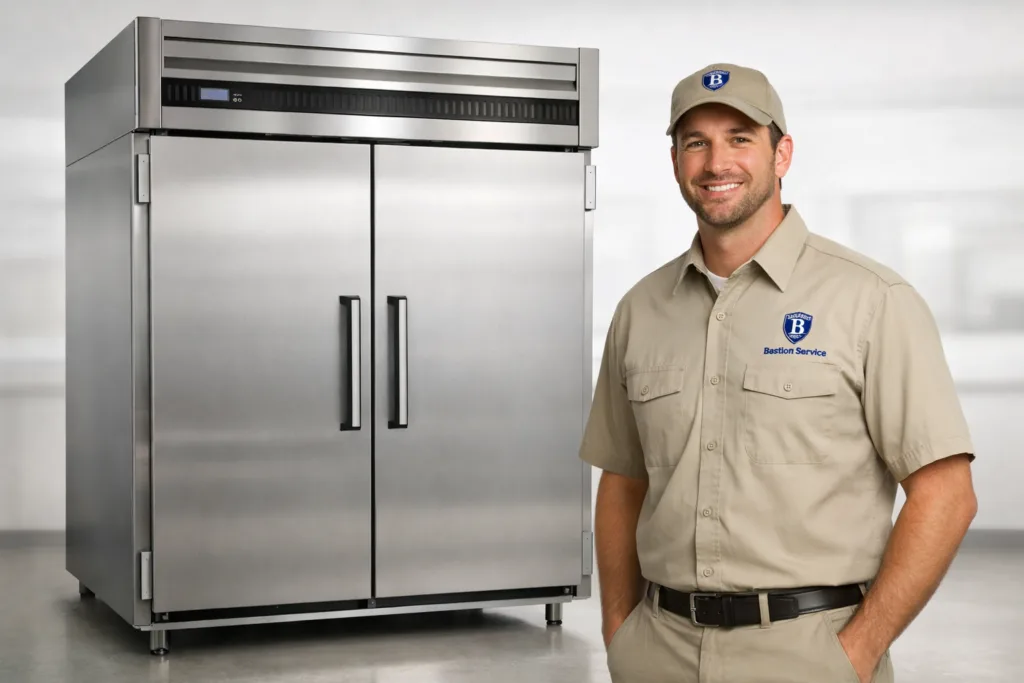




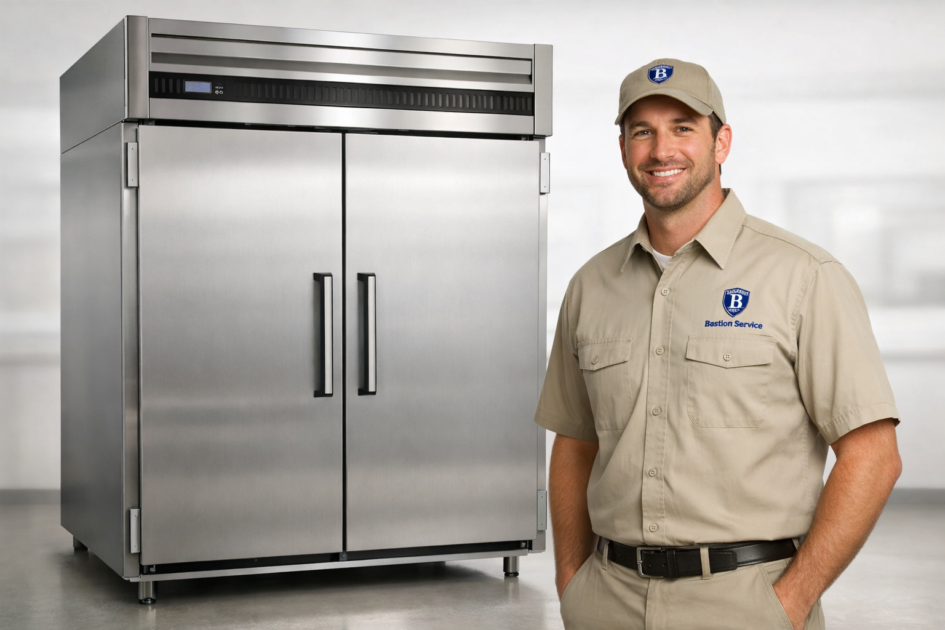
Equipment trouble with a True refrigerator or freezer can escalate quickly when staff are relying on stable holding temperatures throughout the day. In Century City, timely service matters because warm cabinets, recurring frost, leaks, and airflow problems can interrupt prep, storage, and service flow long before a unit fully stops cooling. Bastion Service works with local businesses to diagnose the actual fault, explain what the symptom pattern suggests, and schedule repair based on urgency, product risk, and day-to-day operating impact.
For specific equipment paths in Century City, review True Refrigerator Repair in Century City, True Freezer Repair in Century City, and Commercial Appliance Repair in Century City.
Service for True Refrigeration Equipment Used in Daily Operations
True refrigeration equipment is often part of the routine backbone of kitchens, prep areas, storage rooms, and service lines. When performance changes, the issue is not just mechanical. It affects product handling, staff decisions, and whether a business can continue using the unit safely until repairs are completed.
That is why symptom-based service is important. A cabinet that feels warm may be dealing with an airflow restriction, sensor problem, door-seal failure, fan issue, defrost malfunction, or a deeper cooling-system fault. Similar symptoms can come from very different causes, so repair planning should be based on how the unit is behaving rather than assumptions.
Refrigerator and Freezer Symptoms That Usually Need Attention
Cabinet running warm
If the refrigerator is not holding safe temperatures or the freezer is drifting upward, the problem may involve the condenser section, evaporator performance, control components, circulation issues, or excessive heat entering the cabinet. Businesses often first notice this as slower pull-down, warmer product, or the need to recheck temperatures more often than usual.
Even if the unit still appears to be cooling somewhat, unstable temperature performance usually means the equipment is working harder than it should. Prompt repair helps reduce the risk of inventory loss and prevents a borderline problem from becoming a full shutdown.
Uneven cooling from one area to another
When one shelf stays cold but another runs warmer, airflow and circulation become likely concerns. Fan problems, blocked air paths, frost around components, loading patterns, or defrost-related issues can all create uneven cabinet conditions. This is especially disruptive when staff cannot rely on a single temperature reading to represent the whole unit.
Freezer not recovering after doors are opened
A freezer that takes too long to return to temperature after routine use may be dealing with weak cooling output, airflow restriction, door-gasket wear, or developing ice buildup. In a busy operating environment, slow recovery can make product quality harder to protect during normal service periods.
Unit running constantly or cycling oddly
Long run times often suggest the equipment is compensating for a fault rather than operating normally. Short cycling can point to electrical or control issues. Both patterns matter because they often appear before a complete cooling failure, giving businesses a chance to schedule service before conditions worsen.
Airflow Problems, Frost Buildup, and Ice Formation
Weak airflow inside the cabinet
Reduced airflow is one of the most common reasons a refrigerator or freezer starts performing inconsistently. If fans are not moving air correctly, or if frost is blocking circulation, temperatures can vary throughout the cabinet and the system may struggle to maintain set conditions. Staff may notice some areas staying usable while others become unreliable.
Frost returning after it is cleared
Recurring frost usually points to more than surface moisture. It can be related to defrost-system trouble, warm-air infiltration, poor door closure, damaged gaskets, sensor issues, or internal icing around the evaporator area. When frost keeps coming back, it tends to restrict airflow further and increase strain on the refrigeration system.
Ice affecting normal operation
Ice buildup near internal components or drain paths can trigger a chain of secondary symptoms, including leaks, noise, blocked airflow, and unstable temperatures. Repeatedly removing visible ice without addressing the cause may only provide short-term relief. Service is more useful when the goal is identifying why the ice is forming in the first place.
Water Leaks, Drain Problems, and Excess Condensation
Water around a refrigerator or freezer should not be treated as a minor nuisance in a business setting. Leaks can create sanitation concerns, slippery floors, and interruptions in nearby work areas. The source may be a blocked drain, defrost issue, internal ice melting in the wrong place, or a sealing problem that is creating excess moisture.
Condensation on doors, frames, or surrounding surfaces can also signal that the cabinet is not sealing or circulating air correctly. If moisture is happening alongside poor cooling or frost, those symptoms often belong to the same larger repair issue.
Signs the Problem May Be Getting Worse
Some units continue operating while performance steadily declines. That can make it difficult to decide whether the equipment should stay in use until the repair visit. The following signs usually mean the condition is progressing and should be evaluated soon:
- Temperature readings drift higher throughout the day
- Product is softening or not holding as expected
- Frost spreads beyond a small isolated area
- Water pooling returns after cleanup
- Fans, motors, or the compressor begin sounding abnormal
- Controls are adjusted repeatedly just to maintain basic cooling
When operators are compensating constantly for a unit that no longer behaves normally, the equipment is usually not dealing with a simple setting issue. Continued use under those conditions can increase wear and make the final repair more involved.
Repair Decisions for True Refrigerator and Freezer Problems
Many True refrigerator and freezer issues are repairable when the fault is identified before it leads to broader damage. A sensible repair decision usually depends on the condition of the cabinet, the severity of the failure, the role of the unit in daily operations, and whether the symptom points to an isolated component problem or a more extensive system concern.
For business operators, the best decision is not always based on the first symptom alone. It comes from understanding whether the equipment is likely to return to stable service after repair and whether that repair supports continued reliability for the way the unit is used.
What Helps Speed Up Diagnosis
Before scheduling service, it helps to gather a few practical details so the problem can be assessed more efficiently:
- Whether the unit is a refrigerator or freezer
- The main symptom, such as warming, frost, leaking, or airflow loss
- How long the issue has been happening
- Whether the problem is constant or intermittent
- Any temperature readings staff have observed
- Whether unusual sounds, condensation, or recovery issues are also present
- Model information, if available
Clear symptom notes can help prioritize the visit and make it easier to determine whether the equipment may remain in limited use while waiting for repair.
Scheduling Service in Century City
If your True refrigeration equipment is showing warm cabinet conditions, recurring frost, leak issues, airflow problems, or freezer recovery trouble in Century City, the next step is to arrange service based on the severity of the symptoms and the effect on operations. A focused repair visit can determine what is failing, whether continued use is realistic in the short term, and what repair path best supports uptime, product protection, and normal workflow.


