
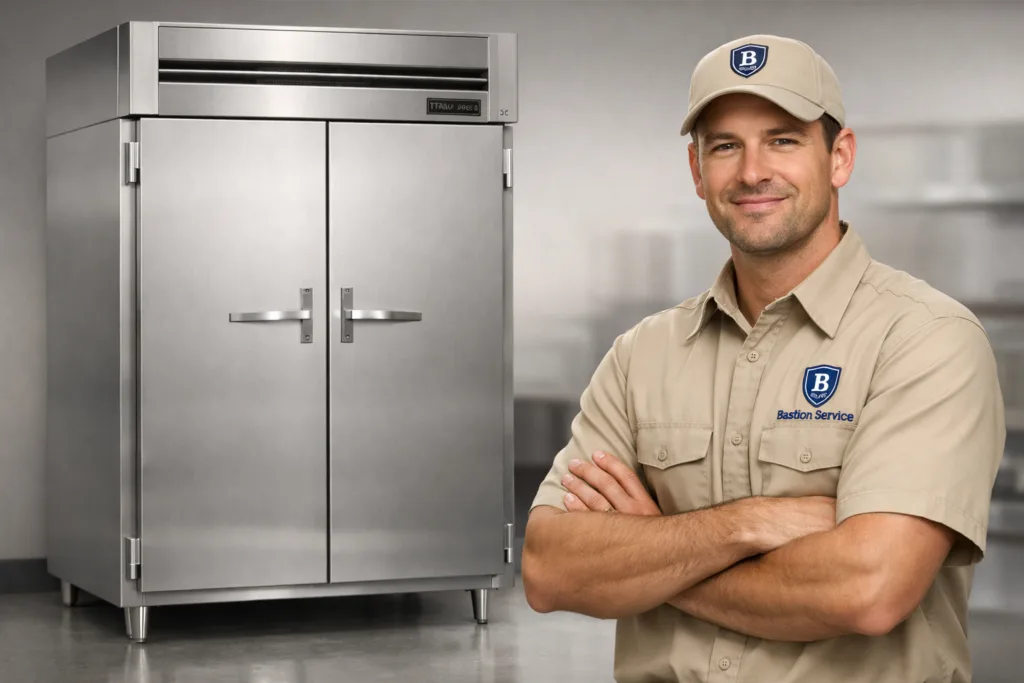




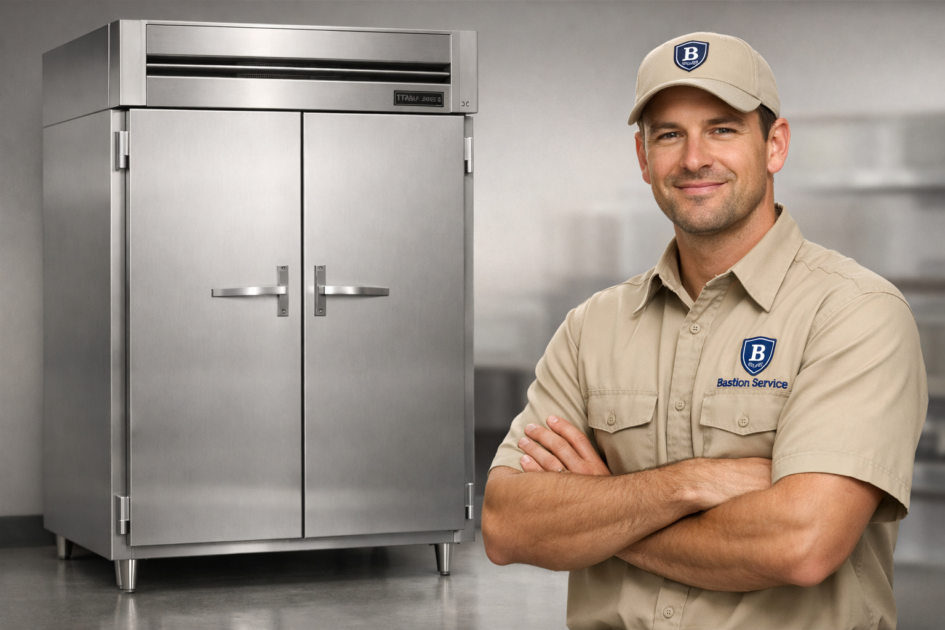
Freezer problems tend to escalate fast when product temperatures start drifting, frost spreads across interior surfaces, or fans begin sounding different during the workday. For businesses in Mar Vista, the most useful next step is to schedule service based on the actual symptom pattern so the cause can be identified before downtime expands into inventory loss, workflow disruption, or a full cooling failure. Bastion Service handles Traulsen freezer repair with a service-focused approach that prioritizes diagnosis, repair planning, and the condition of the equipment in daily use.
Related commercial service paths in Mar Vista include Traulsen Commercial Repair in Mar Vista, Commercial Freezer Repair in Mar Vista, and Traulsen Refrigerator Repair in Mar Vista.
How Traulsen freezer problems are typically diagnosed
A Traulsen freezer can show one symptom while the real fault is somewhere else in the system. A warm cabinet may be related to door leakage, restricted airflow, a sensor issue, a defrost failure, condenser problems, fan motor trouble, or a refrigeration fault. Frost buildup may point to a door gasket problem, excessive moisture intrusion, or a defrost system issue rather than a simple temperature adjustment.
That is why a service visit usually starts with operating checks, temperature verification, airflow evaluation, inspection of frost patterns, review of fans and controls, and a closer look at door sealing and component response. The goal is to find the failure that is driving the symptom, not just the symptom itself.
Common freezer symptoms and what they often mean
Not staying cold enough
If the cabinet is not maintaining the expected temperature, stored product may soften, recovery may take too long after door openings, or staff may notice the unit running much longer than usual. This can be caused by dirty coils, weak evaporator airflow, failing fan motors, temperature control issues, sensor inaccuracies, door seal leaks, or sealed-system trouble. A freezer that still cools somewhat but no longer holds steady temperatures should be checked before the issue gets worse.
Frost buildup inside the cabinet
Heavy frost on panels, around the evaporator section, or near the door opening usually means moisture is entering where it should not or the unit is not clearing frost properly during defrost. Worn gaskets, misaligned doors, damaged heaters, control faults, and airflow restrictions can all contribute. As frost builds, air circulation drops, cooling efficiency falls, and fans can start striking ice.
Running constantly or short cycling
A freezer that runs without much off-time is often compensating for heat gain or reduced cooling efficiency. Common causes include dirty heat exchange surfaces, weak airflow, low refrigeration performance, or a door that is not sealing well. Short cycling can indicate controls, electrical issues, or protective shutdown behavior. Either pattern deserves attention because prolonged stress can lead to larger component failure.
Fan noise, rattling, or vibration
Changes in sound are often one of the earliest signs that something is wrong. Grinding, squealing, rattling, or intermittent fan noise may come from worn motors, ice interference, loose hardware, or airflow problems that are affecting moving parts. What begins as a noise complaint can quickly turn into poor circulation and a temperature problem if left unresolved.
Water leaks or ice sheets
Water around the base of the freezer or ice forming on the floor of the cabinet can indicate a clogged drain, defrost issues, door leakage, or uneven freezing conditions inside the unit. In a busy workspace, this is more than an equipment concern. It can interfere with daily operations and create a safety issue for staff moving around the area.
Why door gaskets and airflow matter so much
Traulsen freezers depend on tight door sealing and consistent airflow to maintain stable storage conditions. If gaskets are cracked, compressed, torn, or no longer sealing evenly, humid air enters the cabinet and frost begins to build. That added moisture makes the freezer work harder and can affect temperature recovery throughout the day.
Airflow problems create similar symptoms. When evaporator fans weaken, vents become obstructed, or frost blocks circulation, the cabinet may feel unevenly cold from one section to another. Staff may notice that some product stays solid while other areas soften or recover too slowly after routine access. These are repair issues, not just usage quirks.
Signs the problem may be getting more serious
- Temperature alarms keep returning after settings are adjusted.
- Frost comes back quickly after it is cleared.
- The freezer no longer recovers normally after the door is opened.
- Fans stop, slow down, or sound like they are hitting ice.
- The compressor sounds strained or the unit runs nearly nonstop.
- Water or ice is forming in places where it did not before.
When these conditions appear together, continued use can put more strain on major components and increase the chance of a longer outage. Service is usually best scheduled before the freezer stops cooling altogether.
When continued operation may increase downtime
Some freezers continue to run while performance slowly declines, which can make the issue seem less urgent than it is. In practice, partial cooling often leads to repeated door checks, manual defrost attempts, control changes, and extra staff work just to keep product protected. Meanwhile, the underlying problem continues to stress the system.
If the unit is running hot, icing heavily, or struggling to hold safe storage conditions, delaying repair can raise the likelihood of fan damage, compressor stress, electrical component failure, or larger product exposure. A timely service call helps determine whether the freezer should remain in use while parts are addressed or whether operation should be limited until repairs are completed.
Repair decisions for a Traulsen freezer
Many freezer issues are repairable when the fault is tied to fans, controls, sensors, defrost components, door hardware, gaskets, drains, or other serviceable parts. In those cases, the key question is how quickly the unit can return to stable operation and whether the repair addresses the full cause of the complaint.
Replacement becomes a more realistic discussion when there are repeated major failures, poor overall cabinet condition, extensive refrigeration problems, or a service history that points to ongoing reliability issues. For businesses in Mar Vista, the right decision is not based on part cost alone. It also depends on downtime risk, product sensitivity, equipment condition, and whether the freezer can return to consistent operation after repair.
Preparing for a service visit
Before service is scheduled, it helps to note the main symptom and when it occurs. Useful details include whether the freezer is running warm all day or only at certain times, whether frost is appearing in one area or throughout the cabinet, whether alarms have been active, and whether unusual sounds began before the cooling issue. If staff have noticed slow recovery after door openings or water appearing near the unit, that information can also help narrow the cause faster.
Operational context matters too. A freezer used heavily throughout the day may show symptoms differently than one with lighter access, and recurring issues often follow a pattern. Sharing those details can help move the visit toward a targeted repair plan instead of trial-and-error part replacement.
Service-focused next steps for businesses in Mar Vista
When a Traulsen freezer starts losing temperature control, developing frost, leaking, or making new noise, the priority is to determine whether the issue is isolated and repairable or whether the equipment is approaching a larger failure. Scheduling service promptly helps protect stored product, reduce repeat interruptions, and give your team a clearer path forward. For businesses in Mar Vista, the most practical next step is a repair evaluation that connects the symptoms you are seeing to the actual fault and the best repair decision for keeping operations moving.


