
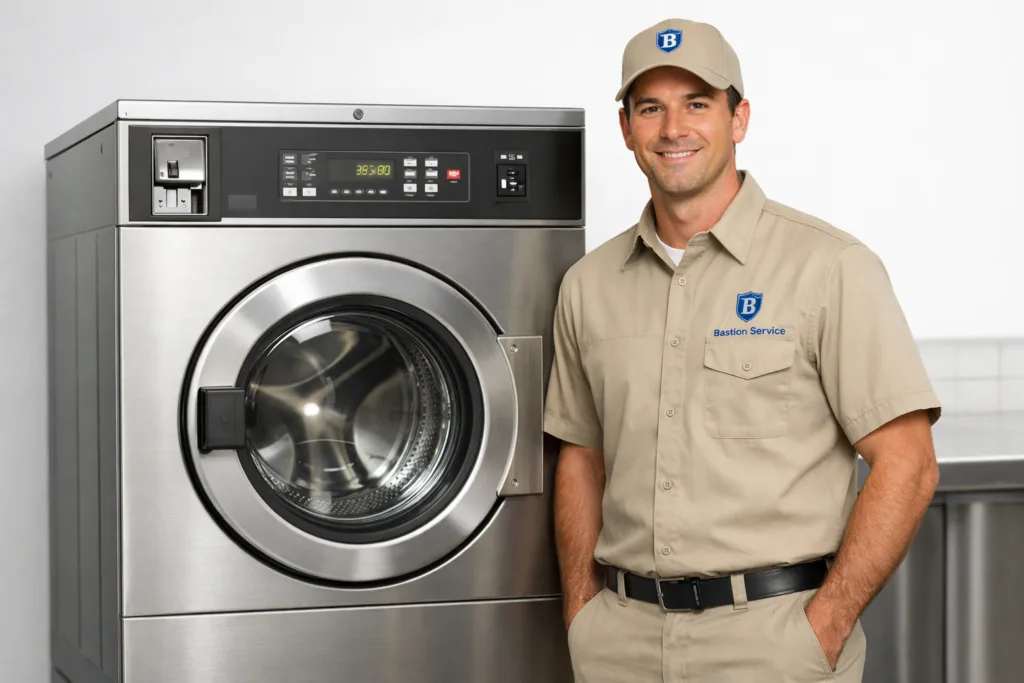




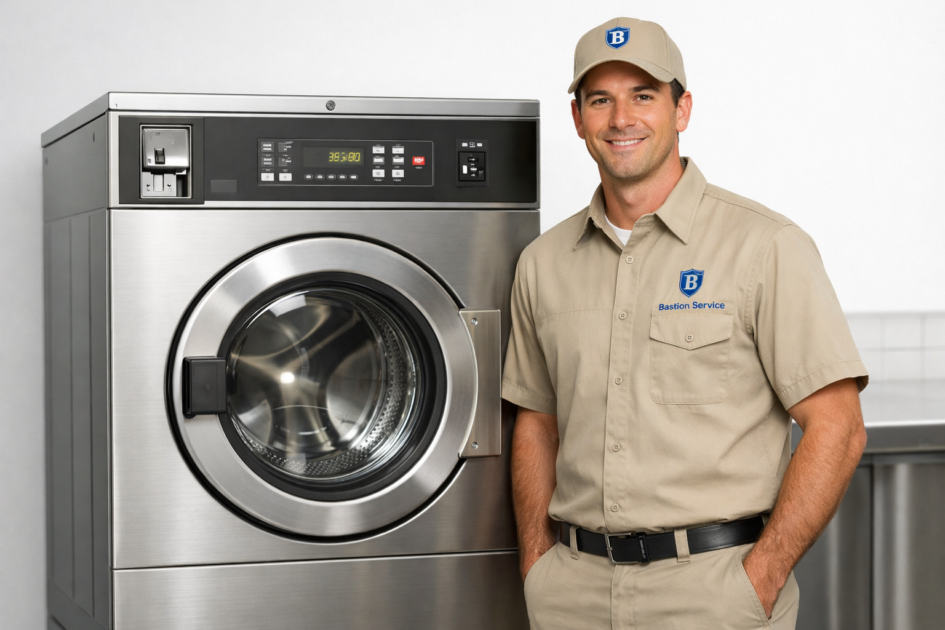
Washer and dryer problems can disrupt load turnover, tie up staff, and create avoidable delays across shared laundry rooms, hotels, housing properties, and other businesses in Palos Verdes Estates. When Speed Queen laundry equipment starts leaking, stopping mid-cycle, overheating, or producing inconsistent results, the most useful next step is a service visit focused on the actual symptom pattern, operating condition, and urgency of the outage. Bastion Service provides Speed Queen repair support for businesses that need informed troubleshooting, repair scheduling, and a realistic plan to reduce downtime.
For specific equipment paths in Palos Verdes Estates, review Speed Queen Washer Repair in Palos Verdes Estates, Speed Queen Dryer Repair in Palos Verdes Estates, and Commercial Appliance Repair in Palos Verdes Estates.
How Speed Queen laundry equipment problems typically show up
Many equipment failures do not start with a complete shutdown. A washer may begin draining slowly, leaving loads too wet, or developing stronger vibration during spin. A dryer may still run but take much longer to finish a load, heat unevenly, or shut down before the cycle is complete. These changes usually signal a repair issue that should be addressed before performance drops further.
For business-use laundry equipment, even a “partly working” machine can create operational problems. Long cycle times reduce throughput. Leaks can affect surrounding areas. Repeated resets waste staff time. Intermittent faults also make scheduling harder because the unit may appear usable one hour and fail the next.
Washer symptoms that deserve prompt attention
Speed Queen washer issues often affect water movement, spin performance, cycle completion, or machine stability. Symptoms may be tied to valves, pumps, drain restrictions, suspension wear, lid or door components, drive parts, or control-related faults. The exact cause matters because similar symptoms can come from very different failures.
Water leaks, slow draining, and standing water
If a washer is leaking during fill, wash, drain, or spin, the source may involve hoses, seals, pump-related components, or an internal failure that only shows up under load. Slow draining or standing water at the end of the cycle can point to a blocked drain path, pump trouble, or a control issue that prevents the machine from completing the drain sequence correctly.
These symptoms should not be ignored. Leaks can affect floors and nearby equipment, while incomplete draining usually leads to wet loads, longer turnover times, and recurring interruption for staff.
No spin, weak spin, or loads coming out too wet
When a washer will not spin properly, laundry output slows down immediately because dryers must work harder and longer to finish each load. A no-spin or weak-spin condition may involve balance problems, drive wear, control faults, motor-related issues, or safety components that keep the cycle from advancing as intended.
If loads consistently come out heavier than normal, repair is usually more cost-effective than trying to work around the issue day after day. Wet loads can create a chain reaction that affects every machine scheduled after that washer.
Vibration, banging, and movement during operation
Unusual shaking, banging, or walking during spin can signal worn suspension parts, mounting problems, imbalance detection issues, or internal mechanical wear. In a business setting, this is more than a noise complaint. Excess vibration can increase wear on related components and turn one repair into several if the unit stays in service too long.
Dryer symptoms that reduce throughput
Dryer problems usually show up as no heat, low heat, long dry times, repeated shutdowns, startup failure, or unusual sounds. With Speed Queen dryers, these symptoms may involve airflow restrictions, heating components, belts, rollers, blower parts, motors, switches, sensors, or controls. The right repair path depends on what the machine is actually doing during operation, not just the final complaint.
No heat, low heat, or inconsistent heat
A dryer that tumbles without heating is an obvious service call, but low heat and inconsistent heat can be just as disruptive. Loads may need extra cycles, staff may have to separate problem loads manually, and overall laundry timing becomes less predictable. In some cases the dryer heats at first and then drops out, which can point to overheating protection, airflow trouble, or a failing component that loses performance once the machine is hot.
Long dry times and repeated cycle extensions
Long dry times are one of the most expensive laundry symptoms because they quietly reduce capacity even when the machine still appears functional. Restricted airflow, sensor issues, heating problems, and mechanical wear can all extend cycle length. If multiple loads are taking longer than normal, it is worth having the dryer evaluated before the delay spreads through the rest of the operation.
Noises, burning smells, and shutdowns mid-cycle
Squealing, scraping, thumping, or rattling often means the dryer needs inspection before regular use continues. These sounds can indicate worn moving parts, belt problems, blower issues, or motor-related wear. Burning odors or repeated shutdowns deserve faster attention because they may be related to overheating or airflow problems that make the equipment unreliable and unsafe to depend on for daily production.
Why intermittent faults should still be serviced
One of the most frustrating patterns for managers and operators is the machine that fails only sometimes. A washer may stop mid-cycle once every few loads. A dryer may heat normally in the morning and perform poorly later in the day. Intermittent problems are still repair problems, and they often become more disruptive over time.
Scheduling service early can help determine whether the unit should remain in limited use, be taken offline, or be prioritized for immediate repair. That decision is important for businesses in Palos Verdes Estates trying to maintain service flow without risking a larger outage during busy operating hours.
Repair planning for shared laundry rooms, hotels, and local businesses
Different operating environments experience laundry equipment problems differently. In shared laundry rooms, one machine outage can lead to backups and user complaints. In hotels and hospitality settings, washer or dryer downtime can interfere with room readiness and linen processing. In other business environments, equipment delays may affect staffing efficiency, turnaround expectations, and daily scheduling.
That is why repair planning should account for more than the failed part alone. Service timing, machine availability, symptom severity, and the likelihood of related wear all matter when deciding how to handle the issue with the least operational disruption.
When repair may make sense versus replacement
Not every machine with a major symptom needs to be replaced, and not every repair is the best long-term investment. If the problem is isolated and the rest of the equipment is in solid condition, repair is often the practical option. If the unit has repeated failures, multiple active issues, or visible signs of broader wear, replacement may deserve a closer look.
A technician’s diagnosis helps frame that decision around condition, repair scope, and expected reliability rather than guesswork. For Palos Verdes Estates businesses, that can make it easier to weigh near-term downtime against the value of keeping the machine in service.
Scheduling service before downtime spreads
If your Speed Queen washer or dryer is leaking, vibrating, failing to drain, not heating, taking too long to dry, or stopping before the cycle finishes, it is a good time to schedule repair. Early service can help confirm the cause, identify whether the unit should stay in operation, and set a repair plan that fits your workload and equipment needs. When laundry equipment is affecting daily operations in Palos Verdes Estates, prompt troubleshooting is usually the fastest way to prevent a single machine problem from turning into a broader service disruption.


