
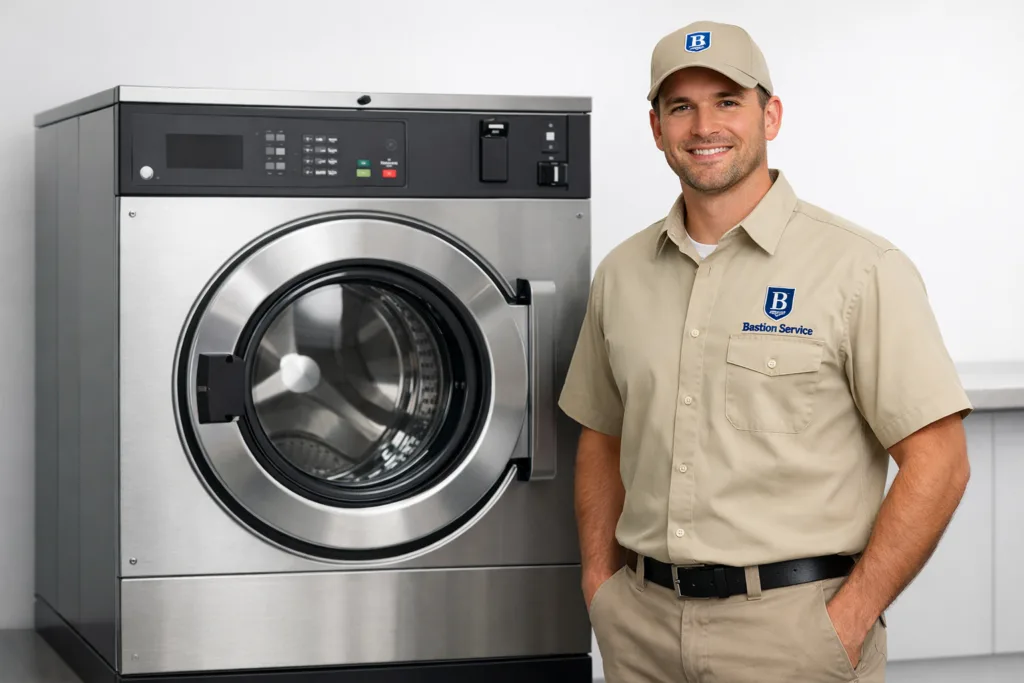







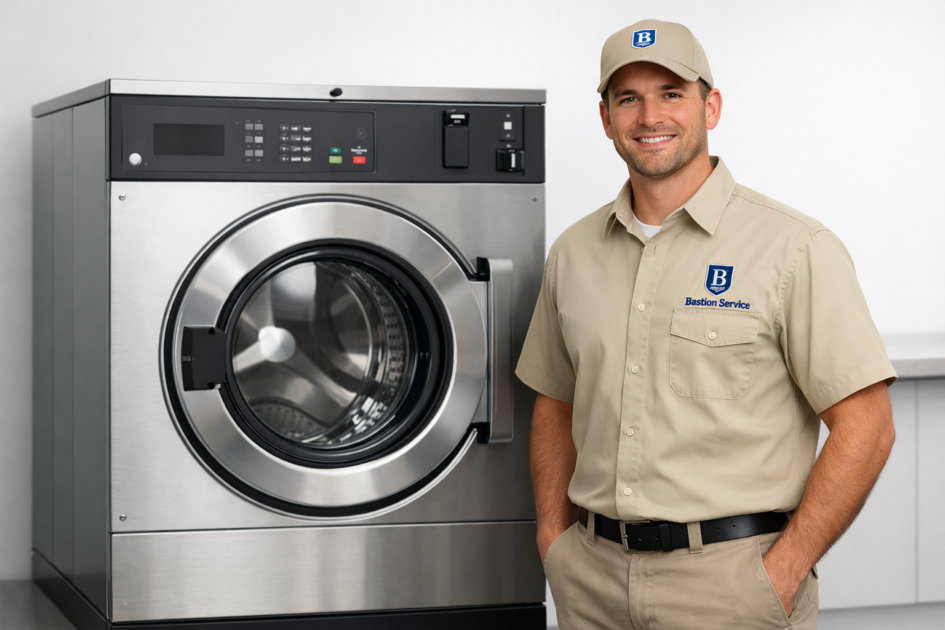
Equipment problems rarely stay isolated for long in a busy laundry setting. When a Speed Queen washer or dryer starts missing cycles, leaking, overheating, or slowing production, the best next step is to schedule service before staff has to keep compensating around the failure. Bastion Service works with businesses in Marina del Rey to inspect symptom patterns, identify the likely fault, and help managers decide whether a unit should remain in use, be limited, or be taken offline until repair is completed.
For specific equipment paths in Marina del Rey, review Speed Queen Washer Repair in Marina del Rey, Speed Queen Dryer Repair in Marina del Rey, and Commercial Appliance Repair in Marina del Rey.
Speed Queen laundry equipment issues that commonly lead to service calls
Speed Queen laundry equipment is designed for repeated daily use, but heavy load volume, moisture exposure, vibration, heat, and normal wear can still affect performance over time. In laundromats, shared laundry rooms, hospitality properties, and other business environments, even one underperforming machine can disrupt turnaround time and create unnecessary pressure on the rest of the lineup.
Common symptoms that usually justify a service visit include:
- Washers that do not fill, agitate, drain, spin, or finish cycles correctly
- Dryers that tumble but produce little or no heat
- Loads coming out too wet or taking too long to dry
- Standing water, visible leaks, or recurring overflow problems
- Excessive vibration, banging, scraping, or grinding sounds
- Control problems, error displays, intermittent starts, or shutdowns
- Burning smells, overheating, or repeated breaker trips
These symptoms often point to more than a minor inconvenience. They can indicate wear in drive parts, drainage components, heating systems, sensing circuits, controls, or airflow-related systems that affect machine reliability and safe operation.
Washer problems that affect throughput and reliability
Washer will not drain, spin, or complete a load
When a washer stops with water still inside, leaves loads too wet, or fails to reach full spin performance, the cause may involve the drain pump, drain path, lid or door sensing, motor-related components, or the control system. In a business setting, that usually leads to delayed turnover, repeated rewashing, and more labor spent moving loads between machines. If the same problem appears more than once, repair planning should happen quickly rather than waiting for a full failure.
Leaks, overflow, or recurring water on the floor
Water around a Speed Queen washer can come from hose wear, connection issues, pump problems, valve faults, seal deterioration, or drainage restrictions. Even when the amount seems minor, ongoing leakage creates risk for flooring, nearby equipment, and staff safety. A proper inspection helps determine whether the issue is limited to one part or whether additional wear has developed because the machine kept operating with a water-management problem.
Loud noise, hard shaking, or off-balance operation
Impact sounds, knocking, grinding, or unusually aggressive movement during wash or spin cycles can suggest suspension wear, bearing problems, mounting issues, or internal mechanical stress. These symptoms matter because continued use can increase damage and eventually turn a repairable issue into a larger mechanical failure. If vibration is getting worse or the machine is walking, pausing operation until it is evaluated is often the safer decision.
Dryer problems that reduce capacity
Dryer runs but does not heat properly
A dryer that tumbles without enough heat can slow an entire laundry operation. Depending on the unit configuration, the issue may involve heating elements, ignition-related components, thermostatic controls, safety devices, sensors, or electrical supply concerns. Because staff often try to compensate by rerunning loads, this symptom quickly turns into lost machine availability and higher operating strain.
Long dry times and uneven results
If loads take much longer than expected or come out inconsistently dried, the problem may be tied to airflow restriction, blower issues, heat regulation faults, sensor problems, or wear affecting drum operation. Long dry times are not just a convenience issue. They lower output per machine, affect scheduling, and can produce avoidable bottlenecks during busy operating hours.
Overheating, burning odor, or repeated shutdowns
Excess heat, unusual smells, squealing, scraping, or a dryer that stops mid-cycle should be treated as service indicators rather than normal wear. These symptoms may reflect motor stress, support component wear, airflow problems, control faults, or heat-related safety interruptions. In business-use equipment, it is usually better to stop operation and arrange repair than to keep testing the machine through multiple loads.
Why recurring symptoms should not be ignored
One of the most common mistakes operators make is treating intermittent faults as manageable because the unit still works part of the time. A washer that only fails every few cycles or a dryer that heats inconsistently can still create scheduling problems, staff workarounds, and extra wear on nearby machines handling overflow. Intermittent problems also become harder to manage when they suddenly turn into complete stoppages during peak demand.
It is usually time to schedule repair when:
- The same error, stop, or incomplete cycle keeps returning
- Loads are backing up because one unit is underperforming
- Staff has to monitor or restart equipment repeatedly
- Leaks, vibration, or heat-related symptoms are increasing
- The machine works unpredictably from one load to the next
- You are unsure whether continued use could cause more damage
What service evaluation helps determine
A repair visit is not only about naming a failed part. It also helps clarify whether the symptom comes from a single component failure, a developing wear pattern, or multiple issues affecting operation at once. That distinction matters when managers need to decide how to schedule downtime and whether the machine should stay in rotation.
During evaluation, the practical questions usually include:
- Is the fault isolated or part of broader wear?
- Can the unit remain in limited use without increasing damage risk?
- Is the problem affecting only one machine or creating strain across the laundry setup?
- Does the repair make sense based on age, condition, and recent service history?
For businesses in Marina del Rey, those answers help with real operating decisions rather than guesswork. Some units can be scheduled for repair around workflow. Others should be shut down immediately because continuing to run them increases the chance of a more expensive outage.
Repair versus replacement for older laundry equipment
Not every washer or dryer issue means a machine is at the end of its useful life. A single confirmed failure can often be addressed efficiently if the rest of the equipment remains in solid condition. On the other hand, if the same unit has repeated drain problems, recurring heating issues, control failures, or mounting mechanical wear, replacement may deserve consideration alongside repair.
The better decision usually comes after inspection because it is based on actual equipment condition, not assumptions. When managers understand the current fault, the likely repair scope, and the chance of near-term repeat issues, they can make a more informed choice about restoring capacity and controlling downtime.
Scheduling repair with less disruption to operations
Laundry equipment service is easier to manage when it happens before a minor performance issue spreads into a larger workflow problem. If a Speed Queen washer or dryer in Marina del Rey is leaking, failing cycles, drying slowly, or showing unusual noise or heat symptoms, arranging diagnosis now can help protect uptime and reduce avoidable disruption. The most useful next step is to have the affected unit evaluated, confirm whether it should stay in service, and set a repair plan that fits the demands of your operation.


