
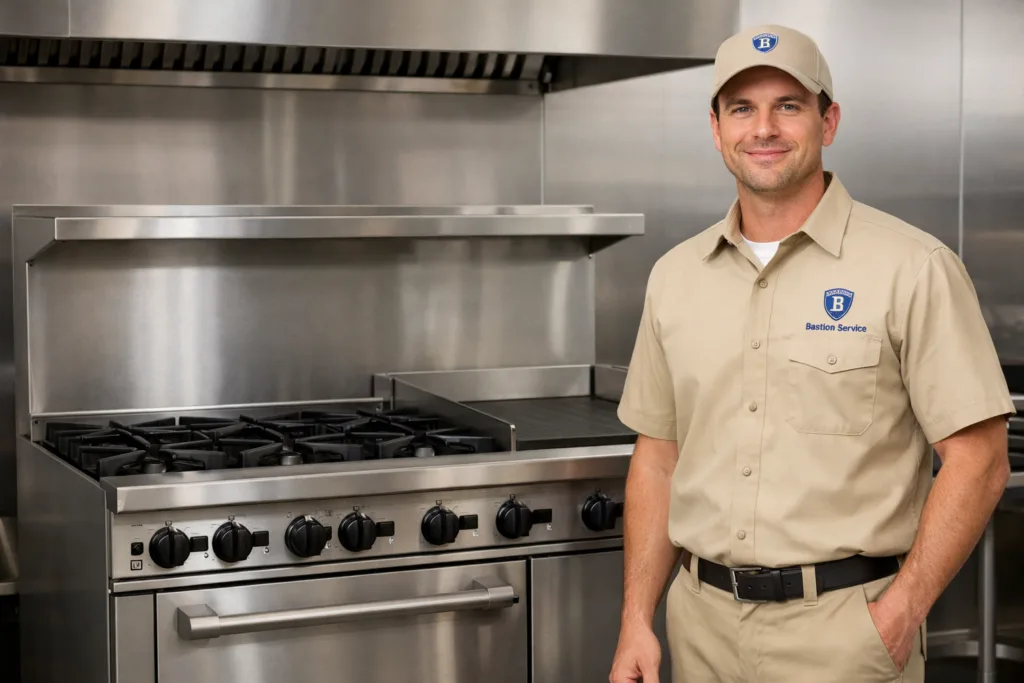




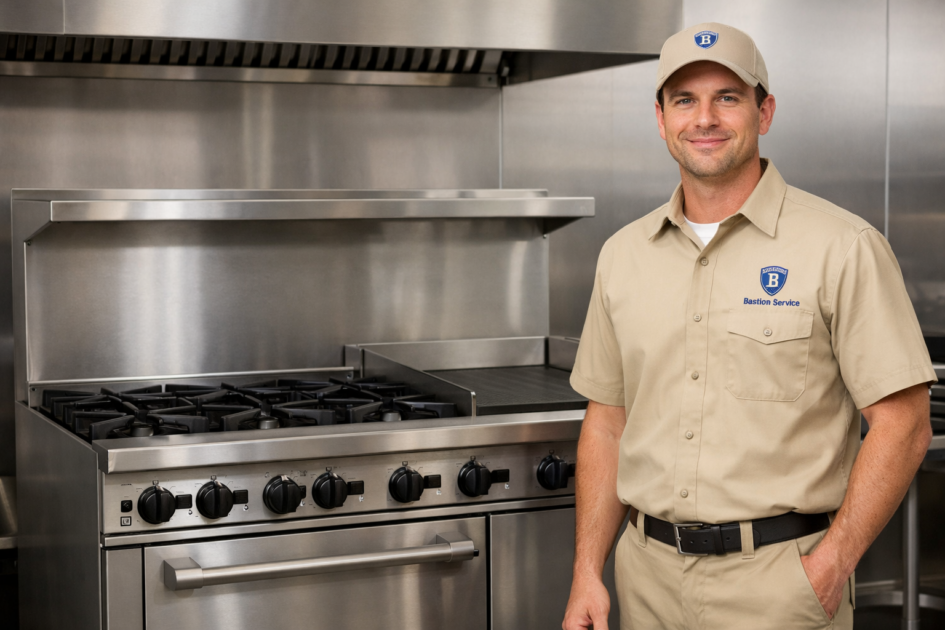
Unreliable Southbend cooking equipment can slow production fast, especially when an oven drifts off temperature, a range burner becomes inconsistent, or the unit shuts down in the middle of service. For businesses in Playa Vista, the right next step is to have the symptom pattern evaluated in a way that supports scheduling, staffing, and day-to-day kitchen output rather than guessing at parts or continuing to run equipment that may be getting worse. Bastion Service provides repair support for Southbend cooking equipment with attention to fault isolation, downtime risk, and what the equipment is doing in actual use.
For specific equipment paths in Playa Vista, review Southbend Oven Repair in Playa Vista, Southbend Range Repair in Playa Vista, and Commercial Appliance Repair in Playa Vista.
Southbend cooking equipment issues that usually need repair
Cooking equipment problems often begin as performance complaints before they become complete failures. A unit may still power on, heat up, or appear usable, but small changes in temperature stability, ignition timing, burner strength, or recovery speed can already be affecting consistency and line flow. Service is typically most useful when the problem is documented by symptom, such as slow preheat, uneven cooking, weak flame, repeated clicking, delayed startup, or unexplained shutdowns.
On Southbend ovens and ranges, those symptoms can point to issues involving burners, igniters, sensors, thermostatic controls, gas delivery, electrical connections, safety components, or wear in heat-producing parts. The goal of a repair visit is not just to confirm that something is wrong, but to identify whether the problem is isolated, whether continued use is reasonable, and whether the repair is likely to restore stable operation.
Oven temperature problems
If an oven runs cooler than the setting, overshoots, cooks unevenly, or struggles to recover after the door is opened, production becomes harder to manage. Staff may compensate by extending cook times or rotating pans more often, but that does not solve the underlying equipment issue. Temperature-related faults often require inspection of sensing and control behavior along with the actual heating performance of the unit.
- Slow preheat that delays prep or opening tasks
- Wide temperature swings during normal use
- Hot spots or uneven cooking results
- Weak recovery that disrupts back-to-back batches
- Settings that no longer match real cooking performance
Range burner and top-heat issues
Range problems often show up as weak burner output, inconsistent flame, burners that fail to light on the first try, or heat levels that no longer respond predictably to control adjustments. In a working kitchen, even one unstable burner can force changes in station setup and increase ticket pressure. When burner performance becomes unreliable, diagnosis helps determine whether the fault is tied to ignition, gas flow, controls, or another component affecting normal operation.
Ignition failures and startup delays
Delayed ignition, repeated failed starts, or burners that click without lighting should be treated as repair issues rather than routine annoyance. These symptoms can become more frequent with continued use and may eventually lead to a unit that will not start at all. For Southbend cooking equipment, startup complaints often need to be checked alongside flame quality, control response, and whether the issue appears consistently or only after the equipment has been running.
Unexpected shutdowns during service
When a unit heats normally and then cuts out, resets, or stops responding under load, the problem is usually more disruptive than a simple startup fault. Intermittent shutdowns create uncertainty for kitchen teams because the equipment may seem fine during testing but fail during actual production. In these situations, repair planning should focus on whether the unit can remain in rotation safely and how much risk there is in waiting.
How these symptoms affect kitchen operations
Cooking equipment problems are rarely limited to the appliance itself. They affect timing, food quality, labor efficiency, and the ability to maintain a steady service pace. An oven that runs cool may cause undercooked product or force staff to re-fire items. A range with unstable burners can slow saute work, reduce consistency, and create unnecessary pressure on other stations.
For Playa Vista businesses, the practical concern is usually operational impact rather than the name of the failed part. If the equipment is central to prep, service, or holding production capacity, a single unresolved fault can lead to broader disruption across the kitchen. That is why symptom-based repair decisions matter: they help determine whether a unit can operate in a limited way until service is performed or whether taking it offline is the safer choice.
Signs the equipment should not be pushed any longer
Some issues allow short-term use while repair is being arranged, but others suggest the unit should be evaluated before normal operation continues. If the equipment is no longer producing repeatable results or is showing unreliable ignition or shutdown behavior, further use may increase the chance of a larger failure.
- Temperature cannot be trusted for normal cooking
- Burners fail intermittently or do not stay stable
- The unit shuts down during active use
- Recovery is too slow to support service demand
- Controls behave inconsistently or stop responding
- Performance has been declining over time, not just in one shift
These are the kinds of conditions where repair scheduling should be based on risk to production, not just convenience. If the equipment is tied to core menu output, delaying service can turn a manageable issue into a bigger interruption.
What a repair visit is meant to clarify
Businesses dealing with Southbend oven and range problems usually need more than a basic yes-or-no answer on whether something is broken. They need to know what symptom is being confirmed, what components are most likely involved, whether the unit is a good repair candidate, and how urgently the work should be completed. A useful service call helps answer those questions in a way that supports operational decisions.
That may include confirming whether the issue is limited to one burner, one control function, or one heat-related component, or whether the problem reflects a broader reliability decline across the equipment. In some cases, a targeted repair restores normal performance. In others, repeated temperature drift, recurring ignition trouble, and multiple wear-related faults may suggest that replacement should at least be considered.
Repair versus replacement considerations
Not every service problem points toward replacement. Many Southbend cooking equipment issues are still best handled with focused repair, especially when the fault is isolated and the rest of the unit remains in solid operating condition. The more important question is whether the repair is likely to restore stable day-to-day use without repeated downtime.
Replacement becomes a more realistic conversation when several problems are stacking up at once, when outages are happening repeatedly, or when the equipment no longer supports the production pace your kitchen requires. If the unit has become unpredictable, managers often need to weigh not only repair cost but also the hidden cost of interrupted service, labor inefficiency, and product inconsistency.
Supported Southbend equipment coverage
This page is focused on Southbend cooking equipment commonly used in business kitchens, especially ovens and ranges. That includes symptom patterns such as poor heat output, ignition trouble, burner instability, temperature inaccuracy, slow recovery, control faults, and unexpected shutdowns. Whether the issue appears during startup, in the middle of service, or only after the unit has been running for a while, the repair process should be based on how the equipment is failing in real kitchen conditions.
Scheduling Southbend repair in Playa Vista
If a Southbend oven or range is affecting throughput, slowing prep, or creating inconsistent cooking results in Playa Vista, scheduling service is the most practical next step. A repair visit can help determine whether the unit can remain in limited use, needs prompt correction, or should be taken offline until the problem is resolved. For businesses trying to protect service flow and avoid a longer outage, early diagnosis and repair scheduling are often the best way to reduce disruption and make the next decision with confidence.


