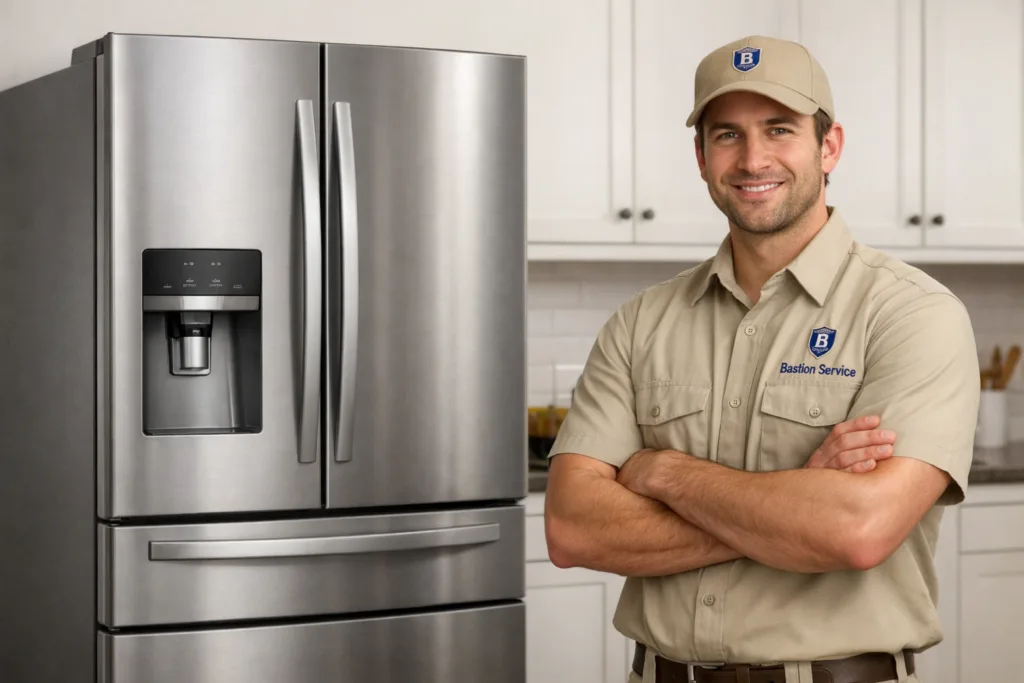
Common refrigerator problems and what they may indicate

Refrigerator trouble often starts with a small change: drinks are not as cold, produce spoils too fast, or the unit seems to run longer than usual. Those early symptoms can point to airflow restrictions, sensor issues, frost buildup, dirty condenser components, worn door gaskets, fan failure, or a problem in the main cooling system. Looking at the full pattern matters, because two appliances with the same “not cooling” complaint can have very different causes.
A common example is a fresh-food section that turns warm while the freezer still seems cold. That usually suggests cold air is not moving properly from the freezer into the refrigerator compartment. Blocked vents, a weak evaporator fan, or a defrost problem can all create that split-temperature behavior. If both sections are warming, the issue may involve the compressor, start components, temperature controls, or another core cooling part.
Leaks are another frequent household complaint. Water under the crisper drawers or on the floor may come from a clogged defrost drain, damaged supply line, excess condensation, or a door that is not sealing tightly. Noise can also help narrow down the fault. Buzzing, clicking, rattling, grinding, or a fan that suddenly gets louder can each point to different components and should be evaluated in context rather than guessed at from sound alone.
Frost buildup, weak airflow, and uneven temperatures
If frost keeps returning in the freezer, containers near the back wall freeze unexpectedly, or the refrigerator takes too long to recover after the door is opened, the appliance may have an airflow or defrost-related issue. In many homes, these symptoms are tied to iced-over evaporator coils, a failing defrost heater, thermostat or sensor faults, or a fan that is no longer moving air as it should. Freezer Repair in Hawthorne
Temperature inconsistency is especially important because it affects food safety. Milk that turns warm before the expiration date, leftovers that never feel fully chilled, or vegetables that freeze in one drawer while the top shelf stays warmer than normal all suggest the unit is no longer regulating temperature evenly. These are often repairable issues, but they tend to get worse when ignored.
Ice maker, dispenser, and water-line issues
Built-in ice systems add another layer of refrigerator problems. If the ice maker stops producing, makes very small cubes, overfills, leaks into the bin, or jams during harvest, the cause may involve the fill valve, water line, filter restriction, ice-maker assembly, or temperature conditions inside the freezer. When a dispenser is involved, switches, motors, augers, and door wiring can also be part of the diagnosis. Ice Maker Repair in Hawthorne
Not every ice complaint means the whole refrigerator is failing. Sometimes the refrigerator section is cooling normally while the ice system has its own separate fault. Other times, weak freezer temperatures are the reason ice production slows down first. That is why it helps to check cooling performance and water delivery together instead of treating them as unrelated symptoms.
When to schedule refrigerator service
It makes sense to schedule service when cooling becomes inconsistent, the refrigerator runs almost constantly, frost keeps returning, puddles show up more than once, or new noises become persistent. These problems rarely correct themselves. A struggling fan motor can stop completely, a small drain blockage can keep causing leaks, and nonstop run time can add strain to major cooling components.
Electrical symptoms also deserve prompt attention. Repeated clicking, interior lights working while cooling drops off, display errors, or a unit that intermittently loses temperature can indicate failing controls or start components. If there is a burning smell, visible wire damage, or a major cooling loss that puts food safety at risk, stop relying on the appliance until it has been checked.
Repair versus replacement considerations
Many refrigerator problems are worth repairing, especially when the issue involves fans, gaskets, sensors, drain systems, defrost parts, switches, valves, or control-related components. In those cases, restoring normal operation is often much more practical than replacing the appliance.
Replacement becomes a more serious consideration when the refrigerator has recurring major failures, sealed-system trouble, compressor-related problems on an older unit, or broad wear that affects overall reliability. The best decision depends on appliance age, repair history, current condition, and whether the failure is isolated or part of a larger decline in performance.
What homeowners in Hawthorne should expect from diagnosis
A useful refrigerator diagnosis should go beyond the basic complaint. “Not cold,” “leaking,” or “too much frost” are starting points, not final answers. A thorough inspection typically includes temperature behavior, fan operation, airflow, frost pattern, drain condition, gasket sealing, and control response, with deeper testing when the cooling system itself appears to be involved.
Some households also have a separate beverage appliance that seems to have similar symptoms but actually follows a different temperature range and control setup. If the issue is with a dedicated wine or beverage unit rather than the main kitchen refrigerator, Wine Cooler Repair in Hawthorne may be the more relevant service.
For homeowners in Hawthorne, the main goal is simple: find the actual source of the problem, understand whether continued use is likely to make it worse, and make a repair decision based on the appliance’s condition rather than guesswork.