
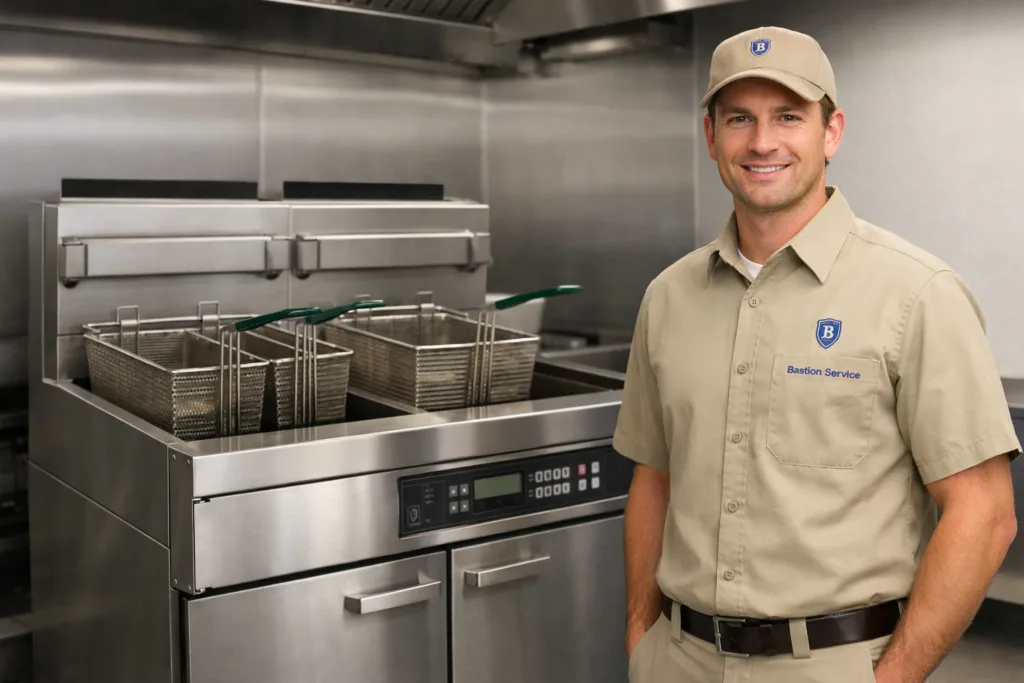




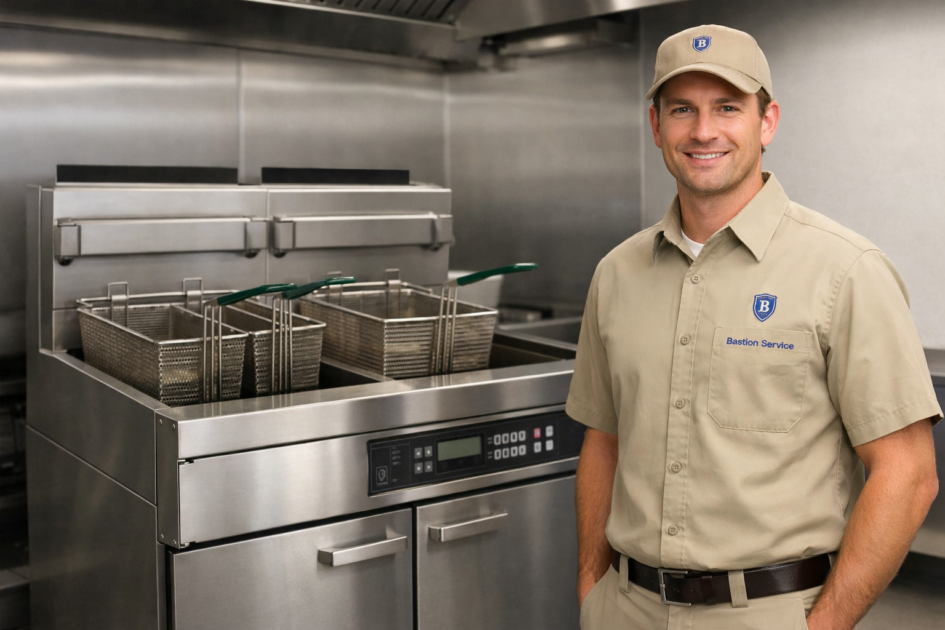
When Pitco cooking equipment starts affecting output, consistency, or line speed, the most useful next step is service that identifies the fault and ties it to a realistic repair plan. For restaurants and food-service operations in El Segundo, that usually means determining whether the problem is isolated to ignition, temperature control, burners, safety circuits, or gas-related components, and then deciding whether the unit can stay in limited use or should be taken offline until repair is completed. Bastion Service helps businesses make that call with symptom-based troubleshooting and repair scheduling built around downtime impact.
For specific equipment paths in El Segundo, review Pitco Fryer Repair in El Segundo and Commercial Appliance Repair in El Segundo.
Common Pitco Cooking Equipment Problems That Need Repair
Most equipment issues begin with performance changes before they become complete shutdowns. On Pitco cooking equipment, operators often notice longer heat-up times, uneven temperatures, ignition trouble, weak recovery, error conditions, or sudden stoppages during a busy shift. Those symptoms matter because they affect food quality, staffing flow, and production timing long before a unit fully fails.
Documenting what the equipment is doing helps narrow the repair path. If the problem appears only at startup, only after cycling, only under heavy demand, or all day long, that pattern often points technicians toward the most likely systems involved.
Not Heating or Struggling to Reach Operating Temperature
If a unit is not heating, heats too slowly, or never reaches the expected cooking range, the fault may involve burners, ignition components, thermostatic controls, high-limit protection, wiring, or gas delivery. In a busy kitchen, this can delay prep, reduce menu capacity, and create inconsistent cooking results. A proper diagnosis helps determine whether the issue is a control problem, a heating problem, or a safety-related failure that should not be ignored.
Ignition Failures and Intermittent Startup
Delayed ignition, repeated startup attempts, or inconsistent burner lighting usually signals a problem that needs prompt attention. These symptoms may relate to ignitors, flame sensing, control boards, gas flow, or related electrical issues. Intermittent startup can be especially disruptive because the equipment may appear usable one cycle and fail the next, making service timing unpredictable during operating hours.
Temperature Swings and Cooking Inconsistency
When cooking results are inconsistent, the issue is not always obvious from the outside. Temperature overshoot, short cycling, poor calibration, or unstable control response can cause undercooked product, overcooked batches, and unnecessary waste. On Pitco equipment, these symptoms often lead operators to suspect the fryer first, but the real problem may be within the control system or another heat-management component.
Slow Recovery During Rush Periods
Recovery problems usually show up during volume periods, when the equipment cannot keep up with normal demand. Oil or cooking temperatures may drop too far between loads, cook times may lengthen, and output may slow across the line. Slow recovery can point to burner weakness, restricted heat transfer, control faults, or other conditions reducing heating performance. Repair becomes more important when the unit still runs but no longer supports the pace of service.
Unexpected Shutdowns, Lockouts, or Repeated Resets
If the equipment shuts down during operation, enters lockout, or has to be reset repeatedly, there is usually an underlying fault that should be addressed before it worsens. Repeated resets can increase wear, hide a more serious control issue, and lead to a full failure at the worst possible time. A service visit helps separate a one-component repair from a broader problem affecting reliability and safe operation.
Fryer-Focused Pitco Service for Business Kitchens
Because the supported category here is Pitco fryer repair, many service calls center on fryer-specific symptoms that directly affect production. Even when the complaint sounds general, fryer faults tend to fall into a few common patterns that can be diagnosed more efficiently when the symptom sequence is clear.
Oil Not Staying at the Right Temperature
If oil temperature drifts, overshoots, or falls off too quickly, operators may see inconsistent color, texture, and cook times. The cause may involve the thermostat, probe, high-limit system, controls, or burner operation. This is the kind of problem that often starts as a quality complaint before it becomes a major service interruption.
Weak Burner Performance
Weak heating output, uneven flame behavior, or burners that cut in and out can cause delayed recovery and unstable cooking results. These issues may also increase stress on other parts of the fryer as the system works harder to maintain set temperature. Early repair can help prevent a manageable burner problem from turning into a larger shutdown.
Gas, Leak, or Safety-Related Concerns
If there are signs of a leak, unusual odors, overheating, or repeated safety trips, the unit should be evaluated immediately. These are not symptoms to work around during service. In a restaurant environment, fast decisions matter because operators need to know whether the equipment can remain available in any capacity or whether it should be removed from use until repaired.
When Continued Use Can Increase Downtime
Some faults allow a unit to keep running in a limited way for a short period, but others get more expensive the longer they are left alone. If the equipment is failing to ignite consistently, dropping out during active use, missing temperature by a wide margin, or responding erratically to control inputs, continued operation can lead to product loss, longer ticket times, and more disruptive failure later.
- Unpredictable shutdowns during peak periods
- Longer recovery that slows kitchen output
- Temperature instability affecting food quality
- Repeated reset cycles masking a larger problem
- Increased wear on controls, burners, and safety components
For managers, the repair decision is often less about whether the unit still powers on and more about whether it can support reliable service without creating added risk for the next shift.
What to Note Before Scheduling Repair
A few simple observations can make troubleshooting more efficient. Before the appointment, it helps to know:
- Whether the issue happens at startup, during cooking, or after cycling
- Whether the unit eventually reaches temperature or never gets there
- Whether the problem affects every shift or only busy periods
- Whether there have been recent shutdowns, resets, or performance changes
- Whether the equipment is producing uneven batches or longer cook times
That information helps connect the symptom pattern to the likely system involved, which can reduce delays in the repair process and make scheduling decisions easier for the kitchen team.
Repair Versus Replacement Considerations
Not every equipment problem points to replacement. In many cases, repair is the practical choice when the fault is limited to ignition, burner operation, controls, sensing components, or temperature regulation and the rest of the unit remains in workable condition. Replacement becomes a more serious consideration when breakdowns are recurring, downtime is becoming routine, or the equipment no longer supports dependable daily use.
For operators in El Segundo, the key is having the problem evaluated based on actual performance, service history, and current condition rather than guessing from symptoms alone. That makes it easier to decide whether the right move is immediate repair, scheduled follow-up work, or planning for equipment changeout later.
What a Service Visit Helps Clarify
A repair visit should do more than confirm that something is wrong. It should identify the failed system, explain how the symptom affects operation, and help management understand the next step. That may include whether the unit can continue in limited use, whether parts and follow-up scheduling are needed, and how to reduce disruption to kitchen flow while the issue is being addressed.
If your Pitco cooking equipment in El Segundo is showing heating issues, ignition failures, slow recovery, temperature control problems, burner irregularities, leaks, or shutdowns, scheduling service early is usually the best way to limit a larger interruption. Prompt diagnosis helps turn an unstable piece of equipment into a defined repair decision so your business can plan around downtime instead of reacting to a full failure.


