
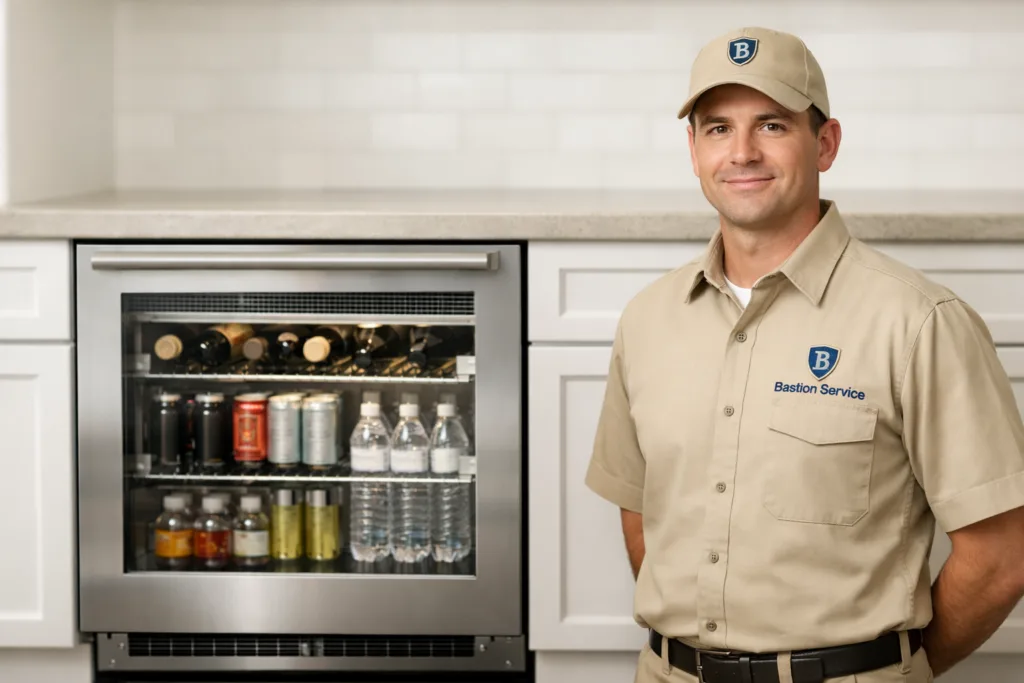




How Perlick appliance problems usually show up at home
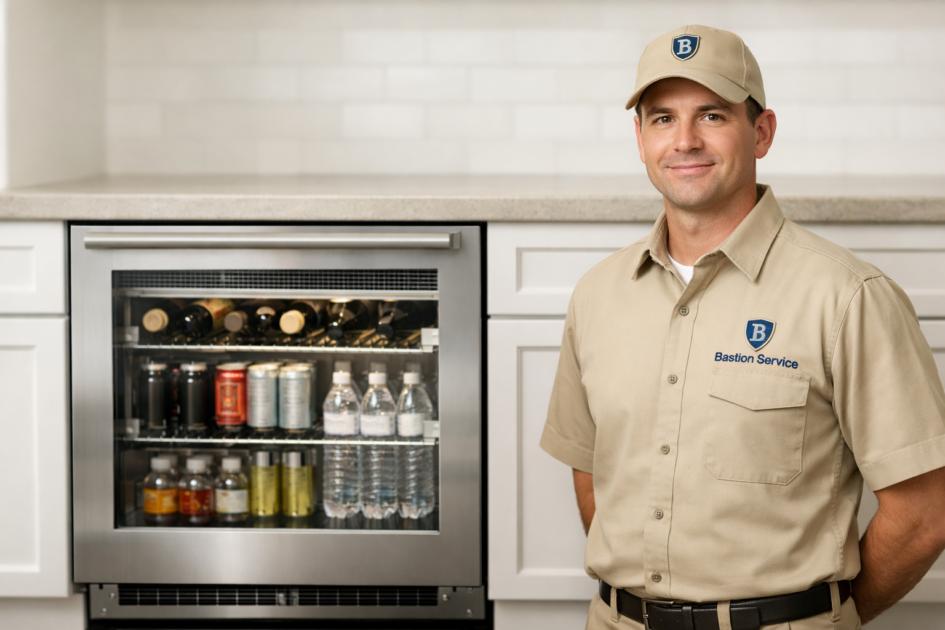
Perlick appliances are often chosen for built-in kitchens, bar areas, and dedicated beverage storage, so even a small performance change tends to be noticeable. A refrigerator that feels a little warm, a freezer that starts forming extra frost, an ice maker that slows down, or a wine cooler that drifts off setting can all point to different underlying faults. The visible symptom is only the starting point.
For homeowners in West Hollywood, the most helpful approach is to look at the pattern of the problem rather than one isolated moment. Did cooling weaken gradually or stop suddenly? Is the unit noisy all the time or only during certain cycles? Is moisture appearing inside the cabinet, around the door, or under the appliance? Those details help separate airflow, control, water supply, defrost, and sealed-system issues.
Symptom patterns that often point to repair needs
Cooling that seems uneven or unreliable
Uneven cooling is one of the most common signs that a Perlick appliance needs attention. In a refrigerator, this may show up as drinks staying cold while food near the back freezes, or as one shelf feeling noticeably warmer than another. In a freezer, it can appear as soft frozen items, excessive ice crystals, or food that no longer stays solid for long. In a wine cooler, even mild temperature drift matters because storage conditions are supposed to remain steady.
Possible causes include restricted airflow, a dirty condenser area, fan problems, sensor or thermostat faults, control board issues, or a more serious cooling-system failure. Because these symptoms overlap, guessing based on temperature alone often leads in the wrong direction.
Water leaks, interior moisture, or condensation
Water under or inside the appliance should not be ignored. A blocked drain, poor door seal, water supply problem, or ice-making fault can all lead to visible moisture. In built-in areas, even a slow leak can affect adjacent cabinetry, flooring, and trim before the appliance itself appears to fail completely.
Condensation around the door or inside the cabinet can also mean warm air is entering where it should not. That may be caused by gasket wear, misalignment, or a unit working harder than normal to recover temperature after each cycle.
Unusual noises and long run times
A change in sound is often an early warning sign. Buzzing, rattling, clicking, fan scraping, or a compressor that seems to run almost nonstop can indicate a mechanical issue or a unit under strain. Some noises come from simple causes such as leveling or vibration, but others suggest a failing fan motor, blocked airflow, or a cooling system that cannot satisfy the set temperature efficiently.
If the appliance is running much longer than it used to, that usually means it is compensating for heat intrusion, weak cooling performance, or a control issue. Constant running is not something to dismiss just because the unit is still technically cold.
Frost buildup where it was not there before
Frost is especially important in freezers, but it can also affect refrigerators and specialty cooling units. Light frost after frequent door openings is one thing; heavy buildup around drawers, vents, or panels is another. When frost accumulates beyond normal levels, common suspects include defrost system faults, poor door sealing, or airflow restrictions.
As frost grows, efficiency drops and temperatures become less predictable. That creates a cycle where the appliance works harder while cooling performance keeps getting worse.
What these issues can mean by appliance type
Perlick refrigerator repair concerns
Refrigerator problems often start subtly. You may notice that produce spoils sooner, drinks are less cold than usual, or the cabinet seems to cycle more often. Water pooling in a crisper area, temperature swings, and fan noise are also common clues.
Because many Perlick refrigerators are installed in fitted spaces, ventilation and heat removal matter. A refrigerator that is still cooling somewhat can still be on the path to a larger failure if airflow, controls, or fan operation are compromised.
Perlick freezer repair concerns
Freezers need consistent low temperatures, not just occasional bursts of cold air. If frozen foods soften and refreeze, if frost thickens around the door area, or if drawers become difficult to open because of ice buildup, the problem may involve defrost components, door sealing, airflow, or temperature sensing.
A freezer that appears to recover overnight but warms again later should still be treated as unreliable. Intermittent cooling can put stored food at risk long before the unit stops running entirely.
Perlick ice maker repair concerns
Ice makers often show trouble through low production, hollow cubes, small cubes, irregular harvests, or complete no-ice conditions. Leaks, unusual cycling sounds, and cloudy ice can also indicate trouble. These symptoms may come from water supply restrictions, inlet valve faults, scale buildup, sensor problems, or failures in the freeze-and-harvest sequence.
If the machine is still making some ice but much less than before, that does not mean the issue is minor. Partial operation is common in ice maker failures and can be misleading if the actual cause has not been isolated.
Perlick wine cooler repair concerns
Wine coolers are less about maximum cold and more about stability. A unit that runs warm, swings above and below the setting, collects condensation, or becomes noticeably louder can no longer provide the environment it was designed to maintain. Problems may involve sensors, control calibration, fan operation, gasket wear, or the cooling system itself.
For a wine cooler, “almost right” is not really right. If storage conditions fluctuate, the appliance deserves attention even when it still seems operational.
When a symptom is more urgent than it looks
Some issues should move to the top of the list quickly. These include water leaking onto the floor, repeated clicking without normal cooling, breaker trips, a cabinet that turns warm after seeming fine earlier in the day, or heavy frost paired with weak freezing. In those cases, continued use may add stress to components or increase the risk of food loss and surrounding damage.
It is also worth acting sooner when the appliance has become unreliable rather than fully dead. Many major failures are preceded by a period of erratic temperatures, longer cycles, or temporary recovery. Waiting through that stage often narrows the repair options.
Repair or replacement?
Not every Perlick problem points toward replacement. Many issues involving fan motors, valves, drains, sensors, seals, controls, and certain ice-making components can be repairable when the cabinet and core system remain in good condition. In other cases, replacement becomes more reasonable because of major sealed-system failure, repeated breakdown history, age-related deterioration, or repair cost relative to the appliance’s condition.
The right decision depends on the actual fault, the unit’s overall state, and whether the appliance is still meeting the needs of the household. That is why symptom-based evaluation matters so much before any major decision is made.
What homeowners in West Hollywood should pay attention to before service
Before scheduling a visit, it helps to note a few basic details: whether the problem is constant or intermittent, whether the display is showing an error or unusual reading, where moisture is appearing, and whether the sound changes when the door is opened or closed. These observations can make the diagnosis process faster and more accurate.
It also helps to avoid overloading the appliance, changing settings repeatedly, or forcing an ice maker through repeated cycles to “test” it. Those steps can sometimes mask the original issue or add strain while the problem is still unresolved.
What useful service should accomplish
For most households, the goal is straightforward: identify why the unit is not performing normally, understand whether contents are at risk, and get a realistic repair plan. Whether the issue involves a Perlick refrigerator, freezer, ice maker, or wine cooler, the best outcome is not a generic recommendation but a diagnosis tied to the actual symptom pattern in the home.
That gives homeowners in West Hollywood a better basis for deciding whether to proceed with repair promptly, limit use until service is completed, or start weighing replacement if the fault turns out to be more extensive than expected.


