
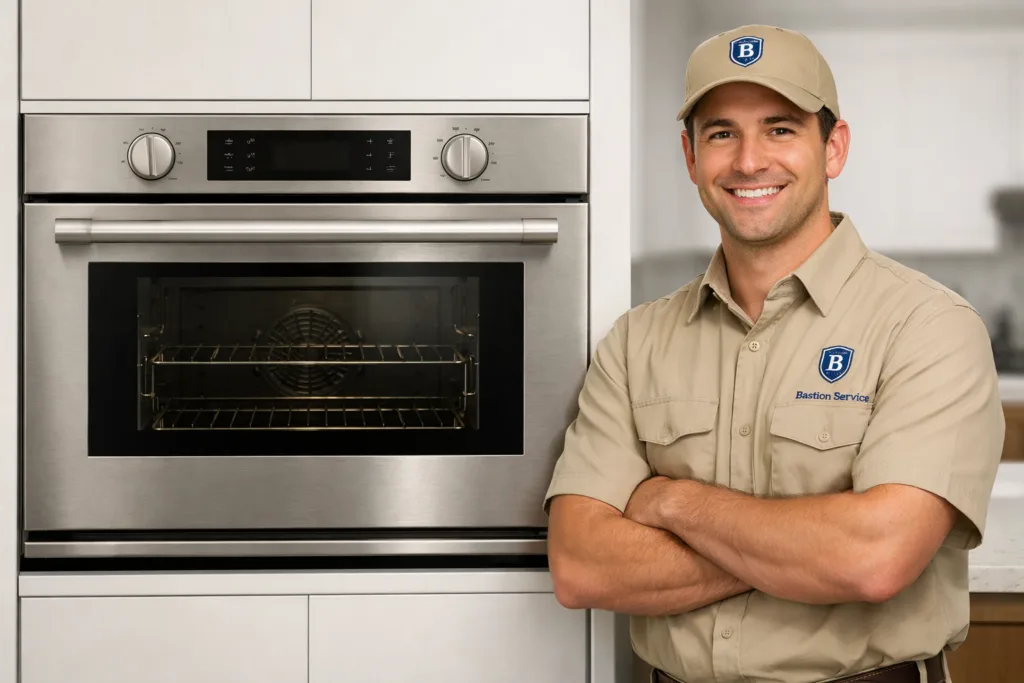




What symptom patterns usually mean on Monogram appliances
Monogram appliances often show subtle performance changes before they stop working entirely. A refrigerator may cool unevenly, a dishwasher may finish with water at the bottom, or an oven may still heat but no longer cook evenly. Those details matter because the visible problem is not always the failed part. Similar symptoms can come from different causes, and the right repair direction depends on how the appliance has been behaving over time.
In Venice homes, it helps to pay attention to whether the issue is constant, intermittent, getting worse, or tied to certain cycles or settings. A unit that fails only after running for a while points to a different kind of fault than one that never starts correctly. Noises, odors, condensation, error codes, and changes in cycle length also add useful clues.
Refrigerator and freezer issues that should not be ignored
Monogram refrigerator and freezer problems often begin with temperature inconsistency rather than a full loss of cooling. Food may spoil faster, ice cream may soften, or frost may collect where it did not before. In some cases the unit runs almost nonstop, which can suggest airflow trouble, sensor drift, defrost failure, fan problems, control faults, or a door seal issue.
Watch for signs such as:
- Fresh food warming while the freezer seems normal
- Frost buildup on interior panels or around stored food
- Water under drawers or around the base of the unit
- Buzzing, rattling, or fan noise that is louder than usual
- Long run times with little improvement in temperature
These symptoms can worsen quickly if the appliance keeps running under strain. For households in Venice, refrigeration problems are often most urgent when food safety becomes uncertain or when the machine is cycling constantly without reaching normal temperatures.
Wine cooler problems and unstable storage temperatures
A Monogram wine cooler may still power on and light up even when storage conditions are drifting outside the proper range. Temperature fluctuation, nonstop operation, excess condensation, or unusual fan noise can point to regulation problems rather than a simple setting change. Gasket wear, sensor issues, airflow restrictions, and control-related faults are all common possibilities when the cooler no longer maintains a stable environment.
Dishwasher symptoms that point to more than one possible cause
When a Monogram dishwasher stops cleaning well, leaves residue, or does not drain fully, the problem may involve water intake, circulation, filtration, drain restrictions, or door sealing. What looks like a soap issue can actually come from weak spray pressure or poor draining. A machine that hums, pauses too long, or finishes with standing water deserves attention before repeated use leads to odors or moisture damage.
Common symptom patterns include:
- Dishes coming out cloudy or still dirty after a normal cycle
- Water left in the tub after the cycle ends
- Leaking at the door or under the machine
- Unusual grinding, humming, or repeated stopping
- Cycles that seem much longer than normal
If leaking is present, it is usually best not to keep testing the unit. Even a small amount of recurring water can affect floors, trim, or cabinetry over time.
Cooktop and range performance problems
Monogram cooktops and ranges can develop ignition trouble, uneven burner output, control issues, or heating element failure. On gas models, clicking that continues after ignition, delayed lighting, or burners that fail intermittently may indicate igniter, switch, moisture, or gas-flow related problems. On electric models, a burner that stays too cool, gets too hot, or cycles unpredictably may be dealing with an element or control fault.
Homeowners often notice these issues through daily cooking changes rather than a complete shutdown. Water taking too long to boil, a burner that no longer holds a steady flame, or a surface element that behaves inconsistently are all signs that the fault should be traced before normal use continues.
When burner behavior becomes a safety concern
Repeated ignition failure, burning odors, tripped breakers, or controls that respond erratically should be taken seriously. An appliance may seem partly usable while still presenting a larger electrical or gas-related issue. If operation no longer feels predictable, shutting the unit off is usually the safer choice until it can be evaluated.
Oven and wall oven symptoms homeowners notice first
Monogram ovens and wall ovens commonly show trouble through cooking results. Food browns unevenly, preheating takes too long, or the cavity feels much hotter or cooler than the set temperature. In other cases the appliance displays an error code, shuts off unexpectedly, or fails to maintain heat after reaching temperature.
Possible warning signs include:
- Slow preheating or failure to reach set temperature
- Undercooked centers with overbrowned edges
- Broil or bake functions not working normally
- Error messages or control panel response issues
- Door latch problems on self-clean or locked modes
These symptoms can relate to sensors, heating elements, relays, control boards, or latch assemblies. The pattern matters. An oven that never gets hot enough is different from one that overshoots temperature and then cycles incorrectly.
How to tell when waiting will likely make the repair bigger
Some appliance issues stay stable for a short time, but many do not. It is usually wise to schedule service when you see recurring leaks, temperature swings, repeated error codes, loud new noises, failed ignition, inconsistent controls, or signs of overheating. Those symptoms rarely resolve on their own.
Waiting tends to increase risk in a few predictable ways:
- Cooling systems may run longer and put added stress on related components
- Drain problems can lead to odors, clogs, or pump wear
- Heating issues can damage cooking performance and strain electrical parts
- Leaks can spread beyond the appliance itself
Even when the appliance is still operating, continued use can hide a worsening problem. That is especially true when the unit has become noisy, erratic, or unreliable in ways that were not present before.
Repair or replace? What often makes the difference
Because Monogram is a premium household brand, repair is often worth considering before assuming replacement is the better answer. The decision usually depends on the appliance age, the condition of the rest of the unit, how often it has needed service, and whether the current problem appears isolated or part of a larger decline.
In many cases, a failed igniter, sensor, fan motor, seal, pump, or heating component can make repair the sensible option. Replacement becomes more relevant when multiple systems are failing at once, when the appliance has a long history of recurring issues, or when a major failure is paired with heavy wear and declining overall performance.
What a useful service visit should accomplish
A good evaluation should do more than name the symptom. It should identify which system is failing, explain whether continued use risks more damage, and outline whether the problem appears targeted or widespread. That gives Venice homeowners a practical repair plan based on the actual condition of the appliance rather than guesswork.
For many households, the biggest benefit is knowing what category of failure they are dealing with: cooling, drainage, heating, ignition, airflow, controls, or mechanical wear. Once that is established, it becomes easier to decide whether to move ahead with repair, stop using the appliance for now, or start considering replacement only if the findings truly support it.


