
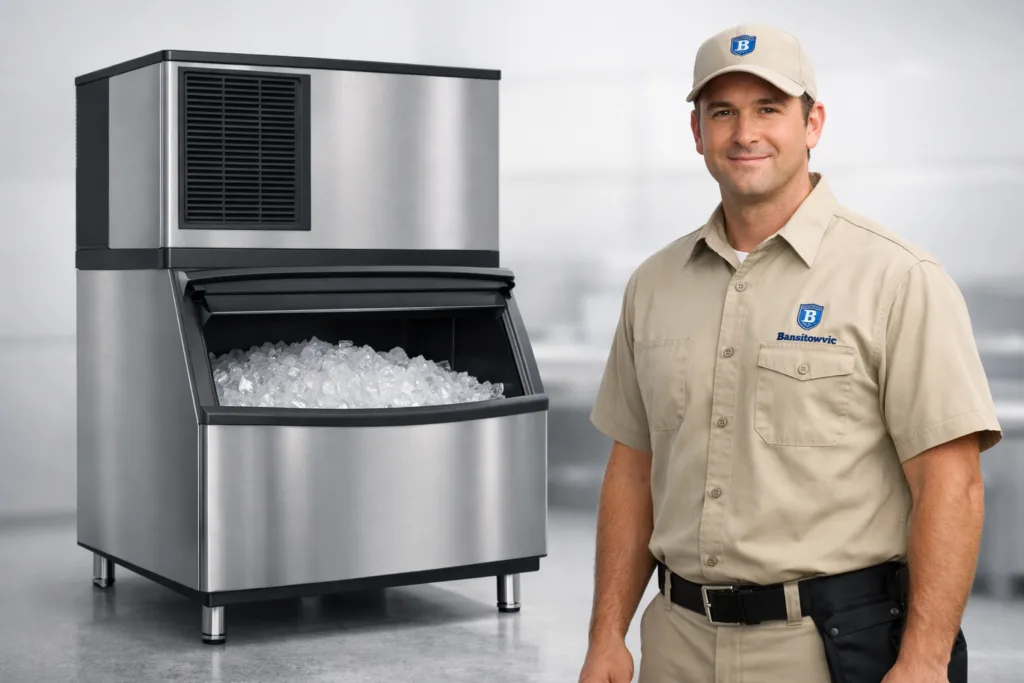




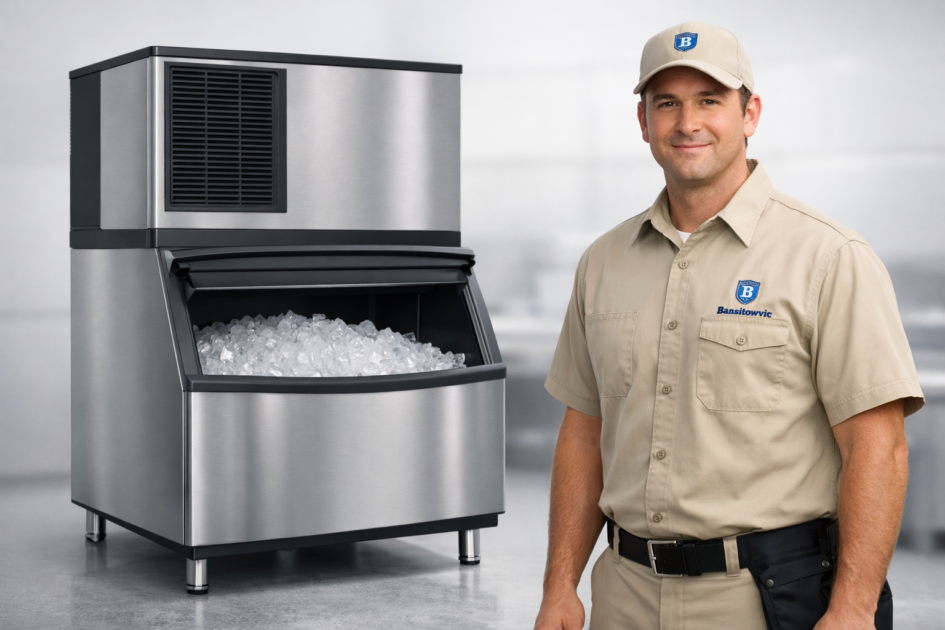
Ice machine problems can disrupt beverage service, food prep, guest experience, and daily workflow faster than many operators expect. When a Manitowoc unit starts leaking, slowing down, missing harvest, or producing poor-quality ice, the most useful next step is on-site troubleshooting that connects the symptom to the actual failed part, water issue, scale restriction, or control problem. In Culver City, businesses often need repair scheduling based on urgency, production impact, and whether the machine can stay in operation without risking added damage.
For specific equipment paths in Culver City, review Manitowoc Ice Machine Repair in Culver City and Commercial Appliance Repair in Culver City.
Bastion Service works with businesses that need Manitowoc ice machine repair tied to real operating conditions, not guesswork. That means identifying whether the issue is affecting ice volume, sanitation, cycle timing, water movement, or overall reliability, then determining what should be repaired now versus what should be monitored to avoid a larger shutdown later.
Common Manitowoc Ice Machine Symptoms and What They Often Mean
Low ice production
If the bin is not filling like it normally does, the machine may be dealing with restricted incoming water, a dirty condenser, a temperature-related problem, scale buildup, sensor trouble, or a refrigeration fault. Low production sometimes starts gradually, which makes it easy to overlook until the operation is short on ice during peak demand. A repair visit helps determine whether the issue is reducing freeze efficiency, interrupting harvest, or causing the machine to run longer cycles without producing enough usable ice.
No ice at all
A complete production stop can point to an electrical interruption, failed control component, water supply problem, safety shutdown, or a more serious system issue. If the unit powers on but does not advance through normal cycles, the fault may not be obvious from the exterior. This is usually the point where continued resetting wastes time and delays the real fix.
Harvest problems
When ice does not release correctly, batches may hang up, break unevenly, melt during extended cycles, or trigger a shutdown. Harvest issues are often related to scale on key surfaces, water distribution problems, thickness settings, sensor errors, or parts that are no longer responding properly during the release cycle. Because harvest performance affects overall output, this symptom often shows up as both low production and inconsistent ice quality.
Water leaks or overflow
Water around the machine can come from clogged drains, loose fittings, cracked lines, overflow conditions, or internal components that are no longer sealing or routing water correctly. Even a small leak can create cleanup issues, affect nearby equipment areas, and signal a larger operating fault. If the leak appears during certain parts of the cycle, that timing can help narrow down whether the cause is drainage, fill control, or another internal problem.
Shutdowns and lockouts
A Manitowoc machine that repeatedly stops, flashes an error, or shuts itself down is usually responding to a condition it detects as unsafe or out of range. The cause may involve temperature, water flow, sensor readings, condenser performance, or electrical faults. Repeated shutdowns should be treated as a repair issue rather than a nuisance, especially when the machine briefly restarts and then fails again.
Cloudy, soft, small, or irregular ice
Changes in cube appearance often suggest scaling, filtration problems, poor water flow, uneven freeze conditions, or control issues affecting cycle timing. Ice quality matters for presentation, drink consistency, and customer expectations, but it also acts as an early warning sign. When cube size or clarity changes noticeably, the machine may already be operating outside normal performance.
Why These Problems Usually Need More Than Basic Troubleshooting
Many ice machine symptoms overlap. A water flow restriction can look like a production problem, scale can lead to both harvest issues and poor ice quality, and condenser-related trouble can contribute to slow cycles, shutdowns, and reduced output at the same time. That is why symptom-based repair is more reliable than replacing parts by assumption.
A service diagnosis helps answer the questions operators actually care about:
- Can the machine keep running for now, or should it be taken out of service?
- Is the problem limited to one repair, or is it causing stress on other components?
- Would cleaning and part replacement likely restore normal operation?
- Is the machine losing capacity in a way that will continue to hurt daily service?
- How urgent is the repair based on production demand and downtime risk?
Water Flow, Scale, and Ice Quality Issues
Water-related problems are among the most common reasons a Manitowoc machine starts underperforming. Restricted fill, poor distribution, mineral buildup, or drainage issues can all change the way the machine freezes, releases, and stores ice. In many cases, businesses notice the end result first: fewer batches, soft cubes, uneven ice, or water where it should not be.
Scale buildup is especially important because it can affect multiple parts of the machine at once. It may interfere with water movement, reduce heat transfer, disrupt harvest, and contribute to erratic sensor readings. A unit with visible scale or ongoing water quality symptoms often needs more than a quick adjustment. It needs the problem traced to the components and conditions that are actually being affected.
Signs the Machine Should Be Serviced Soon
Some issues can be monitored briefly, but several symptoms usually mean repair should be scheduled sooner rather than later:
- The bin is not staying full enough for normal service
- The machine is leaking onto the floor or surrounding area
- Ice release is inconsistent or cycles are taking too long
- The unit shuts down, locks out, or needs repeated resets
- Ice quality has changed in a noticeable way
- Scale buildup is visible and performance is already declining
- Staff are buying bagged ice to cover the shortfall
When those conditions are present, waiting can turn a manageable repair into a larger interruption. It can also make diagnosis harder if the original symptom triggers secondary problems.
Repair vs. Replacement Considerations
Not every malfunction points to replacement. Many Manitowoc issues are still repairable when they involve one failed component, a water flow problem, drainage trouble, sensor faults, or scaling that has affected normal operation. The better question is whether the unit is likely to return to stable production after the needed work is completed.
Replacement becomes a stronger consideration when the machine has repeated major failures, ongoing reliability problems, or declining performance that no longer supports business demand. A proper evaluation helps separate fixable operating issues from signs that the equipment is becoming too risky to depend on.
What Businesses in Culver City Gain From Prompt Repair
Fast action is not just about getting the machine to turn back on. It is about protecting service flow, reducing emergency ice purchases, avoiding water-related messes, and preventing a production problem from affecting the rest of the operation. For restaurants, bars, hospitality settings, and other businesses that rely on steady ice output, a delay can affect both customer experience and back-of-house workflow.
If your Manitowoc unit is producing less ice, leaking, shutting down, or struggling through harvest cycles, scheduling repair in Culver City is the practical next step. A service visit can identify the cause, clarify whether the machine should stay in use, and help you move forward with the right repair plan before downtime gets worse.


