
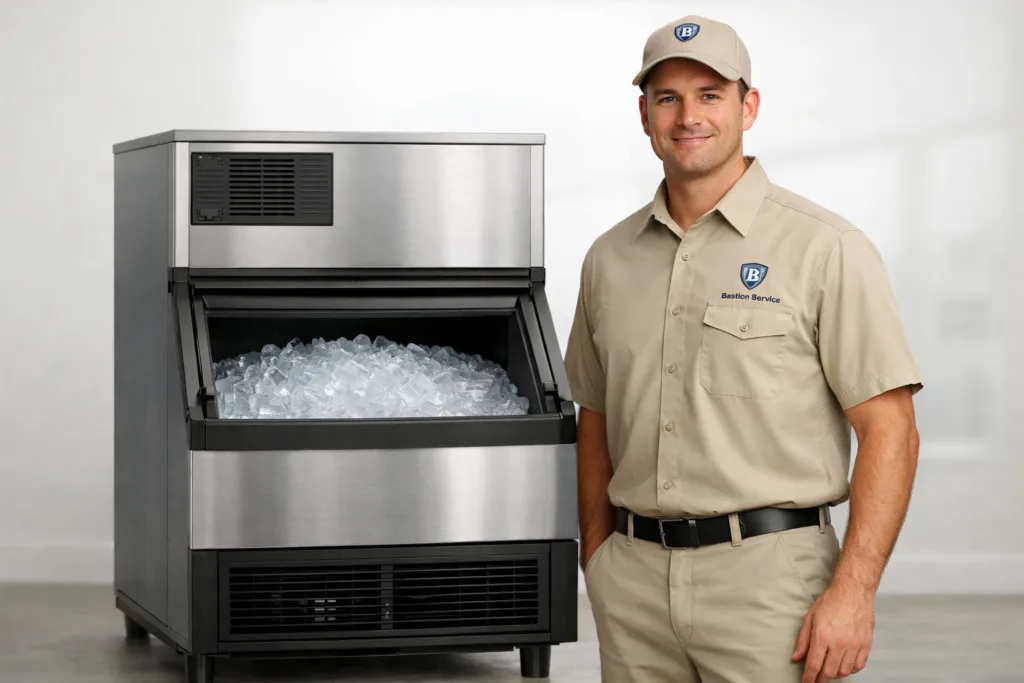




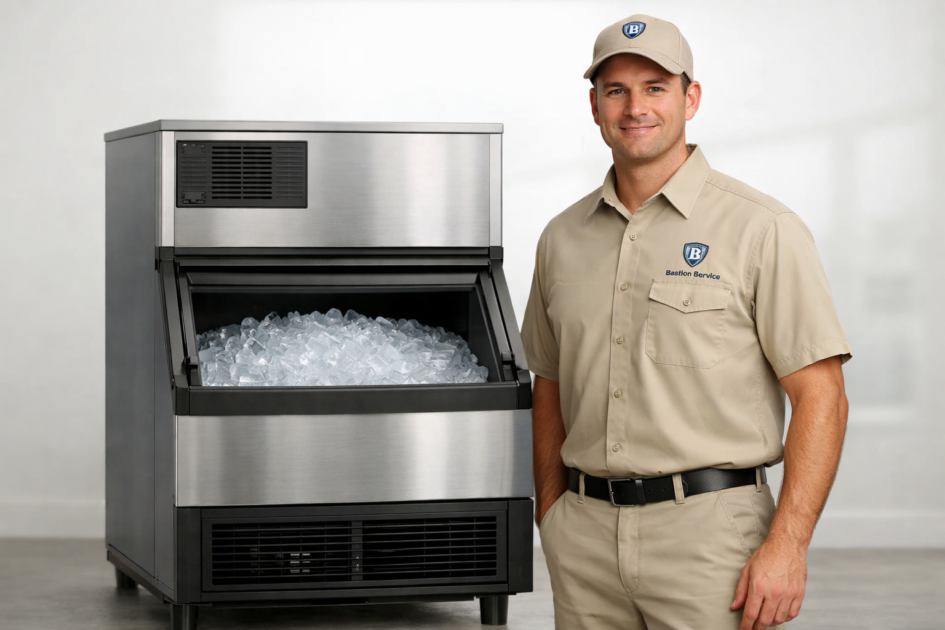
When Hoshizaki ice machine equipment starts missing production targets, leaking, shutting down, or producing unusable ice, the impact is immediate: drink service slows, prep routines get disrupted, and staff end up working around an equipment problem instead of resolving it. The most efficient next step is to schedule service based on the actual symptom pattern so the machine can be tested, the fault narrowed down, and the repair decision made before downtime spreads into the rest of the day.
For specific equipment paths in Beverly Hills, review Hoshizaki Refrigerator Repair in Beverly Hills, Hoshizaki Freezer Repair in Beverly Hills, and Hoshizaki Ice Machine Repair in Beverly Hills.
In Beverly Hills, businesses often need more than a basic guess about why output dropped. A machine that is making less ice may have a water supply restriction, scale buildup, a control problem, a failing component in the freeze or harvest cycle, or a heat-rejection issue affecting overall performance. Bastion Service helps businesses evaluate those conditions so repair timing, parts decisions, and equipment use between now and service are based on what the machine is actually doing.
Symptoms That Usually Point to Needed Ice Machine Repair
Low production is one of the most common reasons owners and managers call for Hoshizaki service. Sometimes the machine is still making ice, just not enough to keep up with normal demand. Other times production slows after startup, batches get smaller, or the bin never seems to fill. Those symptoms can come from restricted water flow, scaling inside the system, sensor issues, a problem during freeze or harvest, or operating conditions that keep the unit from completing cycles normally.
Ice quality changes are also worth taking seriously. Cloudy ice, thin cubes, incomplete cubes, hollow ice, clumping, or irregular batch size can all signal that the problem is deeper than appearance alone. When output and quality decline together, that usually means the machine is no longer operating within normal conditions and should be inspected before the problem leads to larger performance loss.
Why Water Flow Problems Matter
Many Hoshizaki ice machine complaints begin with water behavior. Slow fill, inconsistent fill, poor circulation, overflow, or interrupted cycles may be tied to inlet valve issues, float-related problems, distribution trouble, drain restrictions, or mineral accumulation that is changing how water moves through the machine. What looks like a minor nuisance can quickly turn into reduced ice output, inconsistent harvest, or repeated shutdowns.
Water-related issues are also important because they can create secondary problems. If the machine is not filling correctly, freezing may become uneven. If drainage is restricted, water may back up where it should not. If mineral buildup is heavy enough, the machine may continue running but do so less efficiently and with more stress on key components.
Leaks, Overflow, and Moisture Around the Unit
Water on the floor is never something to ignore around ice equipment used in daily operations. A leak may come from a drain problem, a cracked line, an internal overflow condition, a loose connection, or a freeze pattern that pushes water outside its normal path. Some leaks only appear during certain parts of the cycle, which is why intermittent moisture can be difficult to identify without active testing.
Even when the machine still appears to be running, leaks can create sanitation concerns, slip hazards, and damage to nearby surfaces. If staff are repeatedly mopping around the machine, emptying water manually, or powering it down to stop overflow, service should be scheduled before the symptom turns into a larger interruption.
Harvest Problems and Stalled Cycles
A Hoshizaki machine that freezes but does not release ice properly often shows a pattern before total failure. Batches may take longer than usual, ice may hang up during release, the machine may pause unexpectedly, or it may seem to get stuck between stages. These symptoms often point to scale interference, sensor or control issues, water distribution problems, or operating conditions that keep the unit from moving cleanly through the cycle.
Harvest complaints matter because they often reduce capacity even before the machine fully stops. Businesses may think the machine is still functioning because some ice is being made, but slow release and repeated cycle disruption can cut total daily production enough to affect service.
Why Is My Hoshizaki Ice Machine Not Making Enough Ice?
There is rarely one universal answer. Reduced output can be caused by restricted incoming water, clogged or scaled internal passages, condenser-related performance issues, control faults, temperature-related stress, or a freeze-and-harvest sequence that is no longer completing correctly. In busy environments, the issue may first show up as “we are running out sooner than usual,” even if the machine has not stopped outright.
A gradual decline often suggests buildup, airflow problems, or wear that has developed over time. A sudden production drop may point more strongly to a failed component, a control interruption, or a supply problem that changed quickly. That distinction is useful because it helps determine how urgently service should be scheduled and whether continued operation is likely to cause more wear.
Signs the Machine Should Not Be Left to “See If It Clears Up”
Some equipment problems can wait for a convenient appointment. Others should be moved up because the machine is already affecting operations or may cause additional damage. Faster scheduling makes sense when the unit is:
- producing far less ice than normal demand requires
- leaking or overflowing during operation
- shutting down and restarting unpredictably
- making unusable, misshapen, or contaminated-looking ice
- taking much longer than normal to complete batches
- running with unusual noise, vibration, or heat
These symptoms usually mean the issue is no longer minor. Even if the unit still works intermittently, partial operation can be misleading. A machine that “sort of” runs may still be causing lost production, higher stress on components, and unnecessary disruption for staff.
How Scale Buildup Affects Hoshizaki Ice Equipment
Scale is one of the most common contributors to poor performance in ice machine equipment. Mineral accumulation can restrict water movement, interfere with normal sensing, affect freeze consistency, and contribute to harvest trouble. In some cases, the machine continues operating long enough that the decline feels gradual, which makes it easy to delay service until the effect on production becomes hard to ignore.
Heavy buildup can also make one symptom look like another. What appears to be a water supply issue may actually be internal restriction. What appears to be a harvest problem may be tied to scale changing how the machine freezes or releases ice. That is why symptom-based testing is more useful than guessing from one visible clue.
Related Refrigeration Concerns on Hoshizaki Equipment
Many businesses using Hoshizaki equipment also keep refrigerators or freezers in daily service. If cold-side equipment is also showing unstable temperature, frost buildup, poor recovery, or intermittent shutdowns, it can help to mention that when scheduling service. While an ice machine problem is not the same as a refrigerator or freezer fault, broader temperature-control concerns can affect planning, parts decisions, and how downtime is prioritized across the site.
For operations managing more than one piece of Hoshizaki equipment, the goal is not just to fix the loudest symptom first. It is to identify which fault is isolated, which issue is beginning to spread into workflow, and which repair should be handled promptly to protect daily operations.
What to Have Ready Before the Appointment
Helpful information includes when the problem started, whether it came on gradually or suddenly, whether the machine is still making any ice, whether leaks happen constantly or only at certain times, and whether staff noticed unusual noises, long cycle times, or repeated resets. If the machine recently had cleaning, a water interruption, a shutdown, or a power event before symptoms appeared, that can also help narrow the cause faster.
It is also useful to note whether the main issue is low production, poor ice quality, water on the floor, failed harvest, or random shutdowns. Clear symptom history often shortens the path to a repair recommendation because the machine can be tested with the most relevant failure pattern in mind.
Repair Planning for Beverly Hills Businesses
Not every problem means replacement, and not every working machine is healthy enough to leave in service. The right path depends on what failed, how the machine has been performing recently, whether the issue is isolated or recurring, and how much the condition is already affecting operations. When a Hoshizaki ice machine in Beverly Hills is no longer dependable, the sensible next step is to arrange service, confirm the fault, and decide quickly whether repair should be completed now, whether use should be limited, or whether broader equipment planning is warranted.


