
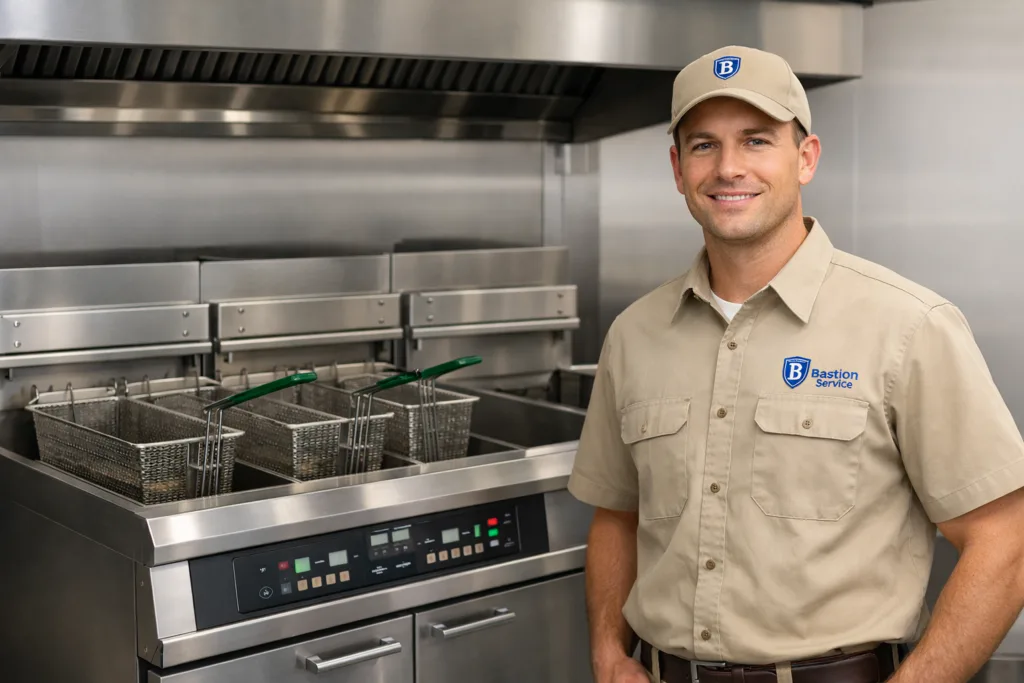




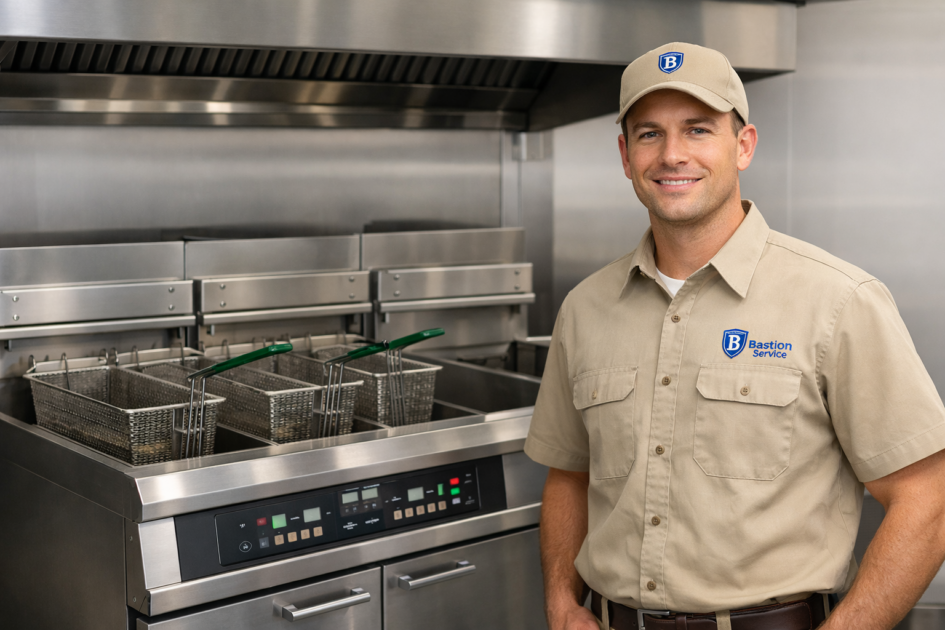
When Frymaster equipment starts missing temperature targets, recovering too slowly, shutting down during a rush, or showing ignition and burner trouble, kitchen output can slip quickly. In Los Angeles operations, it helps to look at the full symptom pattern first, because the same complaint can come from different underlying faults and rushed part replacement often leads to repeat downtime.
For specific equipment paths in Los Angeles, review Frymaster Fryer Repair in Los Angeles and Commercial Appliance Repair in Los Angeles.
What usually needs to be checked first
With Frymaster cooking equipment, the visible problem is not always the actual failure point. A fryer that will not heat may involve ignition, controls, high-limit protection, gas flow, burner performance, or an electrical issue affecting the call for heat. A unit that heats but does not hold temperature may point to sensing problems, calibration drift, unstable control behavior, or a heat system that is no longer performing evenly under load.
That is why the best starting point is to compare startup behavior, operating temperature, recovery time, shutdown timing, and how the equipment responds during a full cooking cycle. For restaurants and food-service businesses in Los Angeles, that difference matters. A fryer can appear fixed after a quick adjustment, then fail again once demand builds.
Common Frymaster cooking equipment problems operators notice
Unit will not heat
If the equipment does not heat at all, troubleshooting usually starts with power supply, control response, ignition sequence, safety limits, and burner operation. In some cases, the problem is constant. In others, the unit may fail only after it has already been running for a period of time, which can point to a heat-related control or ignition issue rather than a total system failure.
Ignition trouble or burner dropout
Ignition complaints often show up as failure to light, delayed startup, repeated attempts to fire, burner loss during operation, or shutdown after initial heating. These symptoms can indicate problems with flame sensing, ignition components, gas delivery, burner assembly performance, or controls that become unstable as the unit warms up. When this happens during active service, batch timing and consistency can suffer immediately.
Temperature swings and inconsistent cooking results
If food quality is becoming uneven, the equipment may be overshooting, undershooting, or cycling incorrectly. That can be related to sensors, controls, calibration, or a heating system that is not transferring heat properly. For busy kitchens, poor temperature control affects more than cook quality. It can also reduce oil life, create timing issues on the line, and make output less predictable from batch to batch.
Slow recovery during peak demand
Some units appear normal at startup but cannot keep pace once orders increase. Slow recovery can point to burner performance, restricted heat transfer, control behavior, fuel-related limitations, or a combination of wear and maintenance issues. Operators usually notice this as longer ticket times, delayed basket drops, and difficulty keeping production moving during busy periods.
Unexpected shutdowns
If the equipment shuts down mid-cycle or trips out after running for a while, the cause may involve overheating protection, unstable ignition, failing controls, or components that break down only under heat load. A shutdown may look random to staff, but the timing often tells an important story. Whether it happens during preheat, after idle time, or in the middle of heavy use can help narrow the repair path.
Oil leaks, drainage problems, or unsafe operation concerns
Some service calls start with visible leaks, difficult draining, valve trouble, or signs that the fryer is not operating safely or cleanly. These issues can affect daily workflow, cleanup time, and staff safety, especially when the equipment is used heavily. Leaks and drainage faults should not be treated as minor inconvenience issues if they are interfering with normal use or creating cleanup and handling risks.
Why symptom patterns matter
One of the fastest ways to lose time is to treat every heating or ignition complaint as if it comes from the same cause. A fryer that fails from a cold start points to a different path than a fryer that works for an hour and then drops out. A unit with stable ignition but poor recovery should be evaluated differently from one with repeated startup failure. Looking at the pattern over time leads to a clearer diagnosis and a practical service plan based on the actual symptom pattern.
Useful details for service scheduling include:
- whether the issue is constant or intermittent
- whether one unit or multiple units are affected
- whether the problem starts at preheat or only under production load
- whether the display shows fault behavior or unusual cycling
- whether temperature, ignition, draining, or shutdown issues happen at the same point each day
How these problems affect kitchen operations
In Los Angeles kitchens, fryer downtime can affect prep timing, line balance, holding quality, staffing flow, and order speed. One unstable unit can force product to other stations, extend cook times, and put pressure on nearby equipment. Even when the fryer still runs, weak recovery or poor temperature control can quietly reduce throughput long before there is a complete shutdown.
This is especially important for operations that depend on steady frying volume throughout lunch, dinner, or late service. When staff start compensating by changing batch sizes, extending cook times, or restarting equipment repeatedly, the problem has already moved beyond a minor performance issue.
When to schedule service
Service is usually warranted when the equipment cannot maintain usable temperature, fails to ignite consistently, shuts down during operation, leaks, drains poorly, or slows production enough to affect normal kitchen flow. Continued use in that condition can increase wear, create more inconsistent results, and turn a contained repair into a broader equipment problem.
It is also smart to schedule attention when staff are relying on workarounds just to get through service. Repeated resets, manual timing adjustments, and shifting production to other stations may keep orders moving temporarily, but they usually increase disruption and make the equipment less dependable day to day.
When repair makes sense and when replacement may come up
Repair is often the sensible option when the problem is tied to a defined fault and the equipment structure is still in workable condition. Issues involving controls, ignition, burner operation, temperature regulation, draining components, or other specific performance failures can often be addressed without replacing the full unit.
Replacement becomes part of the conversation when multiple systems are failing, downtime is becoming frequent, repair costs are stacking across repeat visits, or the equipment no longer supports the production demands of the kitchen. For many Los Angeles businesses, the decision is not only about whether a unit can be repaired, but whether the repair supports reliable output and sensible operating cost.
Support for Frymaster equipment used in daily operations
Bastion Service helps Los Angeles businesses evaluate Frymaster cooking equipment problems that affect uptime, food quality, service speed, and overall equipment reliability. Whether the issue begins with heating loss, ignition trouble, temperature drift, leaks, drainage problems, shutdowns, or slow recovery, the goal is to identify what is actually driving the performance failure so the next step makes operational sense.


