
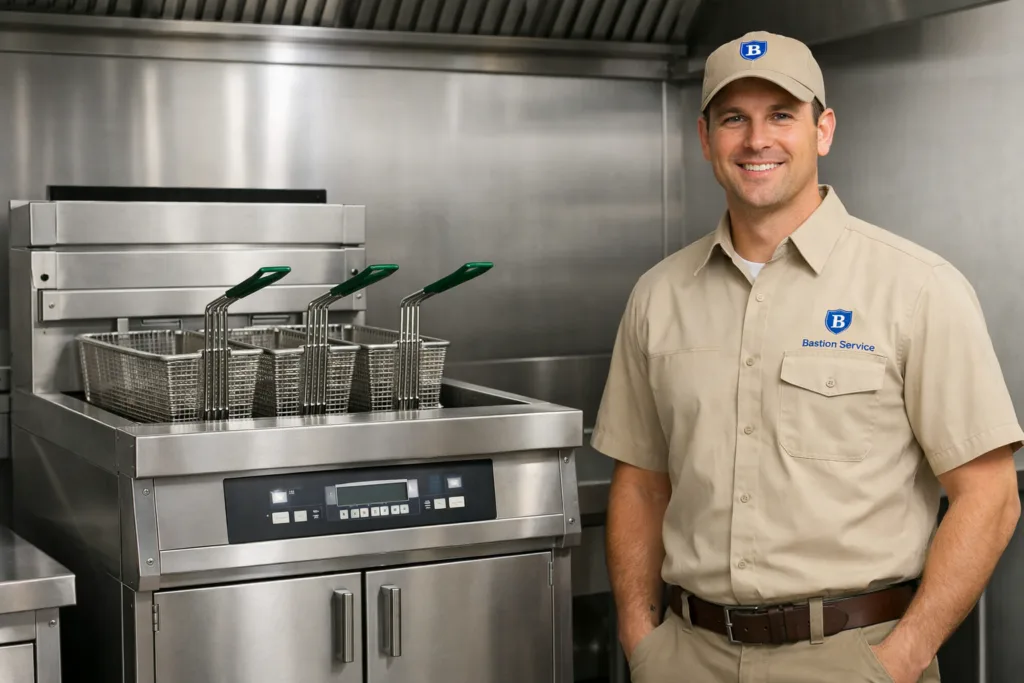




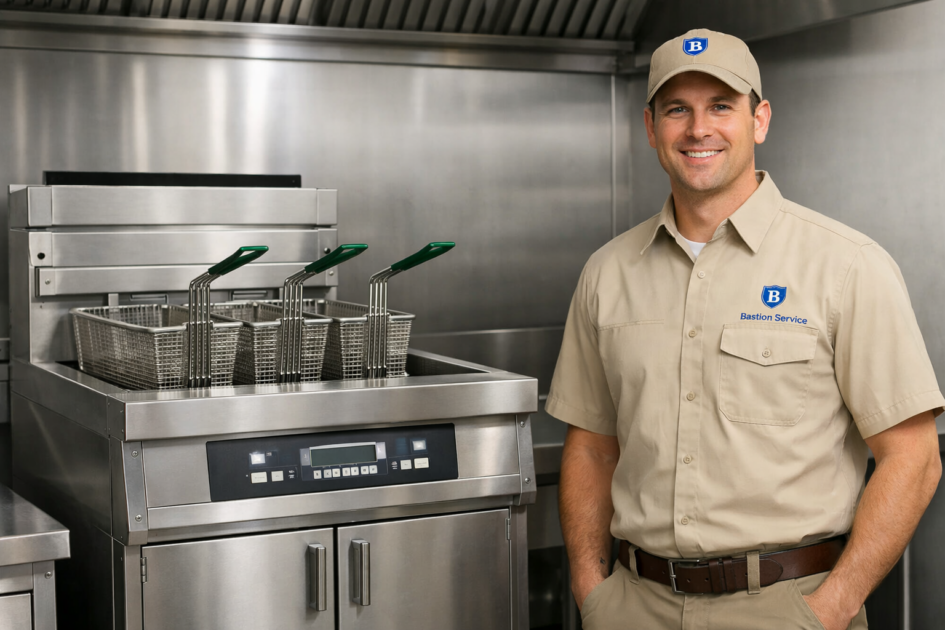
Frymaster cooking equipment problems can quickly affect ticket times, oil management, staffing flow, and product consistency, especially when a fryer is heating unevenly or dropping out during a busy shift. For Hawthorne operators, the most useful next step is service that focuses on the actual symptom pattern, the urgency of the downtime, and whether the equipment can stay in limited use while repair is scheduled. Bastion Service provides Frymaster repair support for local businesses that need the problem identified clearly and addressed with minimal disruption to daily operations.
For specific equipment paths in Hawthorne, review Frymaster Fryer Repair in Hawthorne and Commercial Appliance Repair in Hawthorne.
Frymaster cooking equipment issues that usually need repair
Even when the complaint sounds simple, the underlying fault may involve several systems working together. A unit that heats slowly may have a different cause than one that reaches temperature and then cannot recover, and a fryer that shuts down unexpectedly may be dealing with ignition, safety, sensor, or control trouble rather than one isolated failed part.
In business kitchens, service decisions usually come down to three practical questions:
- Is the equipment still safe and stable enough for limited operation?
- Will continued use increase downtime, product loss, or parts damage?
- Is the issue likely tied to heating, ignition, temperature control, or electrical behavior?
Answering those questions early helps operators avoid repeated resets, temporary workarounds, and unplanned outages during meal periods.
Symptom patterns seen on Frymaster fryers
Frymaster fryer repair calls in Hawthorne often start with one of a few recurring performance complaints. While the symptom may appear straightforward, the right repair path depends on how the problem behaves during startup, idle periods, and active cooking.
Slow heat-up and weak recovery
If the fryer takes too long to come up to temperature or struggles to recover after basket drops, production can back up fast. Operators may notice longer cook times, uneven browning, or staff shifting volume to other stations to compensate. These symptoms often point to trouble in the heating system, burner performance, sensing components, or control behavior.
Recovery problems matter because they affect output during peak demand. A fryer that eventually heats but cannot hold pace with service can create the same operational disruption as a full shutdown.
Ignition trouble and burner interruptions
Intermittent startup, failure to ignite, burner dropout, or repeated attempts to relight usually need prompt inspection. In many kitchens, these issues first appear as delayed opening procedures, frequent resets, or a fryer that works for part of a shift and then stops cooperating.
Repair is often needed to determine whether the fault involves ignition components, flame sensing, gas delivery behavior, burner operation, or the control system that manages the sequence. Repeatedly restarting the unit without diagnosis can turn an intermittent issue into a complete outage at the worst possible time.
Temperature swings and inaccurate control
When oil temperature runs hot, runs low, or moves unpredictably around the set point, food quality usually shows the problem before the equipment fully fails. Operators may see inconsistent color, excess oil absorption, or uneven batch results from the same menu item.
These symptoms can be related to probes, thermostatic control, calibration drift, control boards, or broader electrical faults. Temperature instability is also one of the more disruptive issues to ignore because it creates waste even before the equipment stops working altogether.
Lockouts, shutdowns, and fault behavior
A fryer that drops into fault mode, shuts off during service, or behaves differently from one shift to the next should be evaluated before normal use continues. Shutdown behavior can be tied to overheating protection, ignition sequence failures, control problems, or wiring and component issues that worsen as the equipment runs longer.
Intermittent shutdowns are especially important to document. If the problem appears only after the unit has been hot for a while, or only during heavy production periods, that timing can help narrow the source of failure and improve repair planning.
How these problems affect kitchen operations
Fryer performance issues rarely stay limited to the fryer itself. In a busy kitchen, one unreliable unit can affect prep timing, holding capacity, order pacing, labor allocation, and menu execution. Staff may start making manual adjustments, extending cook times, changing batch sizes, or moving demand to other equipment. Those short-term adjustments may keep service moving, but they also hide the severity of the equipment issue and can delay a needed repair call.
For Los Angeles area food-service operators working in Hawthorne, the bigger concern is often consistency. A fryer that stays on but cannot maintain stable performance can create more operational loss than one that fails completely, because the kitchen continues producing while quality and timing gradually slip.
When continued use is likely to make things worse
Some Frymaster cooking equipment problems seem manageable for a day or two, but there are signs that continued operation may expand the repair scope:
- The unit needs repeated resets to start or remain running
- Heat recovery is getting worse from week to week
- Temperature readings no longer match actual cooking results
- Burner behavior sounds irregular or cuts out during operation
- The equipment is showing recurring faults after appearing to recover
- Staff have changed normal procedures just to keep output moving
Once the kitchen is planning around one unstable fryer, service should usually be scheduled before the unit creates a larger outage or damages additional components.
What a repair visit should help determine
A useful service call is not just about confirming that the fryer has a problem. It should help the operator decide what to do next in practical terms. That includes whether the equipment can remain in limited use, whether a specific failure is already visible, and whether the symptom pattern suggests a one-part repair or a broader control or heating issue.
For business kitchens, the most important repair outcomes are often:
- Restoring stable heat and recovery
- Stopping repeat shutdowns or lockouts
- Correcting inaccurate temperature control
- Identifying ignition or burner faults before they become full downtime events
- Clarifying whether repair still makes sense for the age and condition of the equipment
Helpful details to provide when scheduling service
When setting up Frymaster cooking equipment repair in Hawthorne, a short symptom history can make scheduling more efficient. It helps to note whether the equipment is not heating at all, heating slowly, overshooting temperature, failing during startup, or dropping out only after it has been running for some time.
It is also useful to mention:
- Whether the unit is fully down or still running with limitations
- Whether the issue is constant or intermittent
- If the problem appears during opening, rush periods, or end-of-day use
- Any fault codes, unusual noises, or visible signs of leaking or overheating
- Whether product quality changed before the equipment stopped performing normally
That information helps prioritize urgency and gives the service visit better context from the start.
Repair decisions for older or repeatedly failing equipment
Some service calls reveal a straightforward fault. Others show a pattern of wear that has been building across controls, heating components, and operating systems. If the fryer has a history of recurring shutdowns, repeat ignition problems, or ongoing temperature inconsistency, inspection can help determine whether another repair is likely to restore dependable use or whether the equipment is moving into a higher-risk stage of ownership.
That decision is easier when it is based on actual operating symptoms instead of guesswork from the line. For kitchens trying to protect uptime, scheduling diagnosis early often creates more options than waiting for complete failure during a heavy service period.
If your Frymaster cooking equipment is causing delays, inconsistent output, or repeated interruptions in Hawthorne, the best next step is to schedule service based on the specific symptoms you are seeing. A targeted repair visit can identify the source of the problem, clarify whether limited operation is realistic, and help you move forward with a repair plan that reduces avoidable downtime.


