




Appliance problems tend to become household problems quickly. A refrigerator that stops holding temperature can put groceries at risk within hours, while a dishwasher leak or an oven that will not heat can disrupt the entire kitchen routine. With Fisher & Paykel products, symptom patterns matter because the same complaint can come from very different components.
How Fisher & Paykel issues usually show up at home
Many homeowners first notice a change in performance rather than a complete failure. Cooling may become uneven before it stops altogether. A dishwasher may start leaving residue or standing water before a full no-drain condition appears. An oven may still heat, but take much longer than usual or cook inconsistently from front to back.
These early changes are worth paying attention to because they often point to wear in a specific system: airflow, drainage, heating, ignition, control response, or door sealing. Catching the pattern early can make the repair decision much more straightforward.
Refrigeration problems: when cooling stops being reliable
Fisher & Paykel refrigerators, freezers, and wine coolers depend on stable airflow, accurate sensing, and proper sealing to maintain temperature. When one part of that system starts failing, the first signs are often subtle.
Common refrigeration symptoms
- Food warming sooner than expected
- Soft ice cream or partially thawing frozen items
- Condensation inside the compartment
- Heavy frost buildup on walls, shelves, or drawers
- Water collecting under drawers or on the floor
- Constant running, clicking, buzzing, or new rattling sounds
Warm temperatures can come from blocked vents, fan failure, door gasket problems, sensor faults, defrost issues, or control trouble. In some cases, the concern is deeper within the cooling system. That difference matters because a fan or seal problem is a very different repair path from a compressor-related issue.
If the appliance cannot maintain safe food-storage temperatures, scheduling service promptly is usually the best move. Continued operation under strain can increase food loss and may add wear to other components.
Freezer and wine cooler concerns
A freezer that frosts over heavily or develops ice around drawer tracks may have an airflow, defrost, or door-closing problem. A wine cooler that fluctuates between too warm and too cold often points to sensor, fan, or control issues. Because both appliances rely on consistency, even moderate temperature swings are worth investigating.
Dishwasher symptoms that usually mean more than a dirty filter
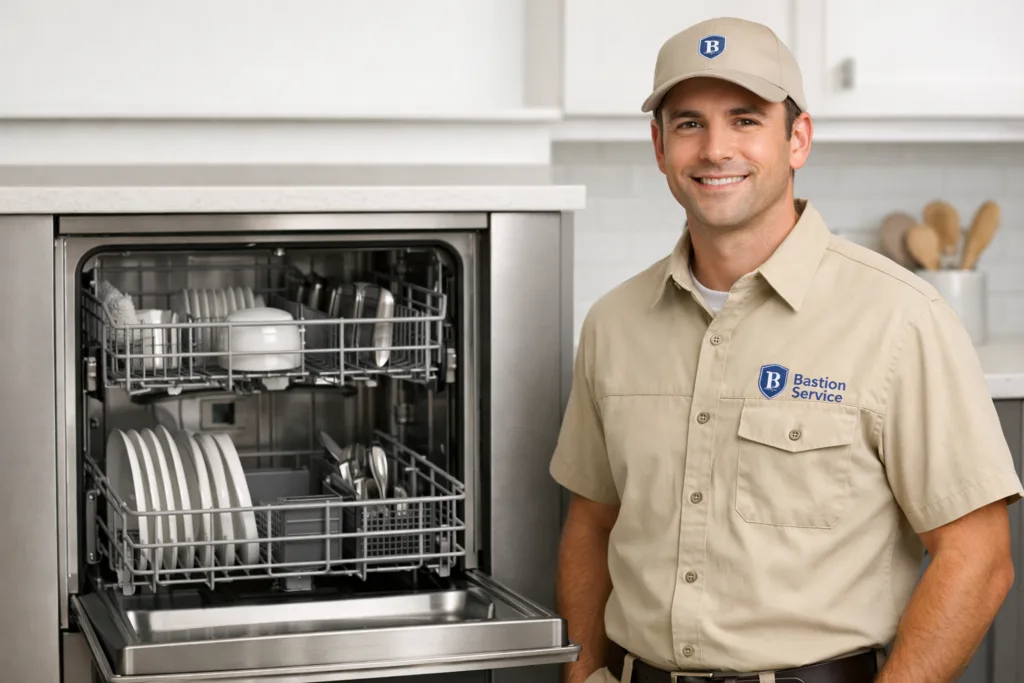
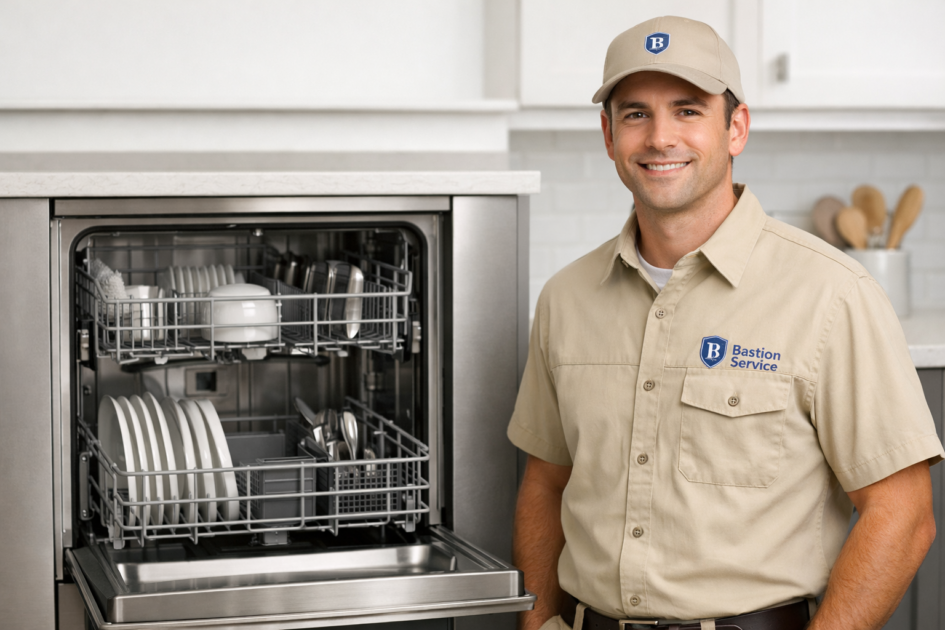
Dishwasher problems often look simple at first, but repeat symptoms usually indicate something beyond normal maintenance. Fisher & Paykel dishwasher issues may involve drainage restrictions, pump wear, wash-arm problems, latch faults, water-level sensing, or electronic control errors.
Signs to take seriously
- Dishes remain cloudy, gritty, or greasy after a full cycle
- Standing water remains in the tub
- Water leaks from the door or underneath the unit
- The cycle pauses, stops early, or will not start
- Unusual humming, grinding, or repeated beeping develops
A leak should never be treated as a minor inconvenience if it returns more than once. Water under a dishwasher can damage flooring and nearby cabinetry, and an unresolved drain issue can also affect wash performance. If the dishwasher is leaving water behind consistently, it is usually better to stop forcing extra cycles and have the drain and pump system checked.
Cooktop, oven, and range problems that affect daily cooking
Cooking appliances often provide useful warning signs before they fail completely. A surface element may cycle incorrectly, a burner may click without lighting, or the oven may begin cooking unevenly long before it stops heating altogether.
Typical cooking performance complaints
- Burners that heat too slowly or not at all
- Repeated clicking or ignition failure
- Uneven flame or inconsistent surface heat
- Slow preheating
- Oven temperatures that run too hot or too cool
- Error codes or controls that stop responding
On electric models, the cause may involve elements, switches, relays, wiring, sensors, or control boards. On gas models, issues may stem from igniters, spark modules, burner assemblies, or valve-related faults. A range with both surface and oven problems at the same time may point to a broader electrical or control issue rather than two unrelated failures.
When cooking appliance symptoms become a safety issue
Some symptoms should be treated as more urgent than others. Repeated failed ignition, burning odors, visible sparking, or breakers tripping during use should not be ignored. If there is a persistent gas smell, stop using the appliance and address safety first before planning any repair.
What a symptom-based diagnosis helps determine
Good troubleshooting is about more than naming the visible problem. It helps answer the questions homeowners actually care about:
- Is the appliance safe to keep using for now?
- Is the problem isolated to one part or affecting multiple systems?
- Is repair likely to restore normal everyday use?
- Would replacement make more sense based on condition and failure pattern?
That is especially important with Fisher & Paykel appliances because symptoms like poor cooling, interrupted dishwasher cycles, or uneven oven heating can each come from several different causes. Replacing parts based only on guesswork often leads to wasted time and expense.
When homeowners in Rancho Park should schedule service soon
Some issues can wait a short time for scheduling, but others tend to worsen quickly. It is smart to arrange service sooner when the appliance is no longer performing its core job or when continued use could create more damage.
- Refrigerators or freezers no longer hold steady temperature
- Dishwashers leak, fail to drain, or stop mid-cycle regularly
- Ovens show major temperature swings or fail to preheat properly
- Cooktops or ranges have unreliable ignition or heating
- Controls freeze, reset, or display recurring errors
- New noises become frequent and noticeably louder
Small issues often become larger ones through repeated use. A torn gasket can lead to cooling strain. A partial drain blockage can turn into a floor leak. A weak igniter can eventually leave the oven unable to heat at all.
Repair or replace? What usually makes the difference
There is no single rule that fits every appliance. In many homes, repair makes sense when the problem is limited to a specific component and the rest of the appliance is in solid condition. That is often true for issues involving pumps, fans, igniters, sensors, switches, seals, or certain control-related parts.
Replacement becomes more likely when there are multiple failing systems, repeated breakdowns over a short period, major structural wear, or deeper cooling-system problems that significantly affect overall value. Age matters, but overall condition matters more. A newer unit with one isolated fault is very different from an older appliance showing several symptoms at once.
Helpful observations before a service visit
If the appliance is still operating, a few details can make the problem easier to identify. Homeowners in Rancho Park can help narrow the issue by noting:
- When the symptom started
- Whether it is constant or intermittent
- Any displayed error codes
- Changes in sound, smell, temperature, or cycle time
- Whether the problem appears only under certain settings or loads
It is also useful not to reset, overuse, or force the appliance repeatedly once the pattern is clear. Running extra dishwasher cycles through a drainage problem or continuing to use a struggling refrigerator can make the final repair more complicated.
Brand-specific service for common household kitchen appliances
Fisher & Paykel appliance repair in Rancho Park often centers on the kitchen appliances people rely on every day: refrigerators, freezers, wine coolers, dishwashers, cooktops, ovens, and ranges. Each category fails in its own way, but the most useful approach is always the same: match the symptom to the system involved, check whether the issue is getting worse, and decide whether repair is likely to restore reliable use.
For homeowners, that approach leads to better decisions and fewer surprises. Whether the problem is a warming refrigerator, a leaking dishwasher, a clicking cooktop, or an oven that no longer heats evenly, the goal is to identify the actual fault and choose the next step with confidence.


