




EdgeStar appliances are often chosen for compact kitchens, secondary storage, entertaining spaces, and specialty cooling at home. When one starts acting up, the most useful place to begin is with the symptom itself: warming temperatures, new noises, leaking water, heavy frost, or controls that do not behave normally. Those patterns help narrow whether the problem is tied to airflow, sensors, defrost components, door sealing, water delivery, or a larger cooling-system issue.
How EdgeStar problems usually show up at home
Many cooling problems look similar at first, but they do not always come from the same source. A refrigerator that feels warm may have a fan issue, a thermostat problem, a dirty condenser area, or a failing sealed system. A wine cooler with temperature swings may have a circulation problem rather than total cooling loss. An ice maker that stops producing could be dealing with water supply trouble, a frozen line, or a failed internal component.
That distinction matters because the repair path can change a lot depending on the actual cause. Minor performance issues are handled differently than persistent failures that affect food safety, create leaks, or keep the appliance running nonstop.
Symptom-based troubleshooting by appliance type
Refrigerators that run warm, freeze food, or leak
EdgeStar refrigerators often show trouble through inconsistent temperatures. One section may stay cold while another warms up, or fresh food may start freezing unexpectedly. In many cases, that points to airflow imbalance, sensor faults, thermostat issues, or trouble in the defrost system. If the unit runs constantly without stabilizing, the problem may be more serious.
Water under crisper drawers or on the floor can indicate a blocked drain, internal ice buildup that is melting in the wrong place, or a seal problem that lets excess moisture in. If you hear clicking, buzzing, or repeated attempts to start, that can suggest compressor start-component trouble or another electrical failure that should be checked before the unit is stressed further.
Freezers with frost buildup or soft food
An EdgeStar freezer should hold a stable low temperature without coating everything in heavy frost. When frost spreads across shelves or the rear interior panel, common causes include defrost failure, poor door sealing, or circulation problems. If food starts softening while the unit still seems powered on, that is often a sign that cooling is no longer reaching the compartment correctly.
Long run times are another warning sign. A freezer that rarely shuts off may be struggling to overcome warm air infiltration or a failing cooling component. If the cabinet feels cold but food quality is slipping, it is worth evaluating the unit before the problem leads to complete thawing or added strain on major parts.
Ice makers that stop cycling or start leaking
EdgeStar ice makers can fail in ways that look simple but come from several different systems. No ice production may be caused by a water supply restriction, fill-valve problem, sensor issue, or a freezing pattern that prevents a full cycle from completing. Small cubes, hollow cubes, or slow output can also point to water flow problems rather than total machine failure.
Leaks deserve prompt attention. Water around the appliance may come from a loose connection, drainage issue, overflow condition, or internal freezing that redirects water where it should not go. If the unit powers on but never completes a batch, the fault may be in controls, harvesting components, or temperature sensing.
Wine coolers with unstable temperatures
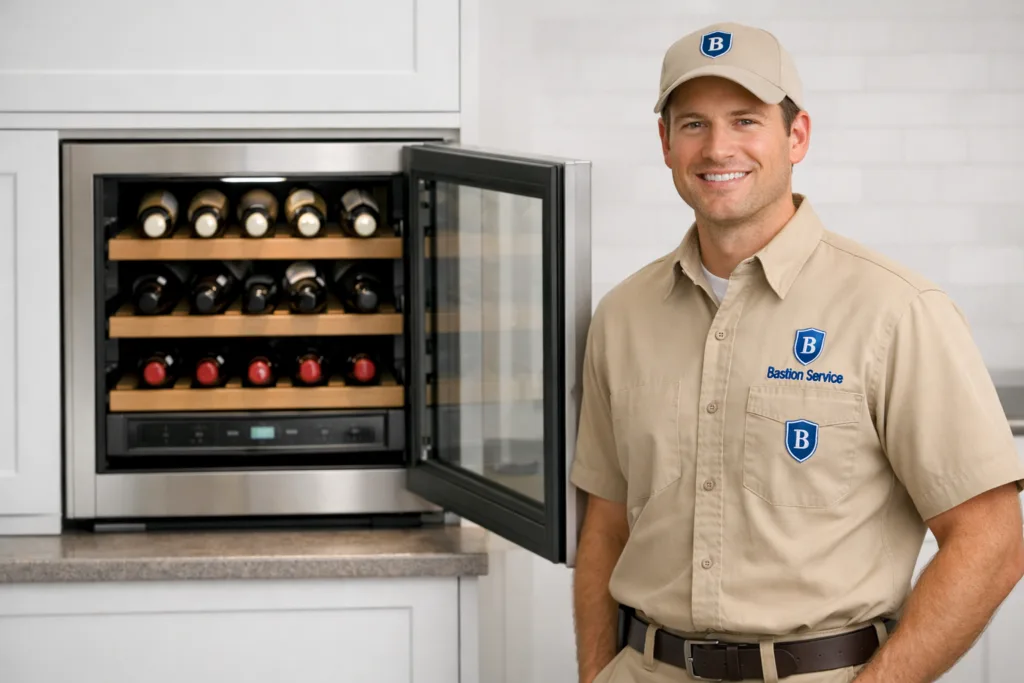
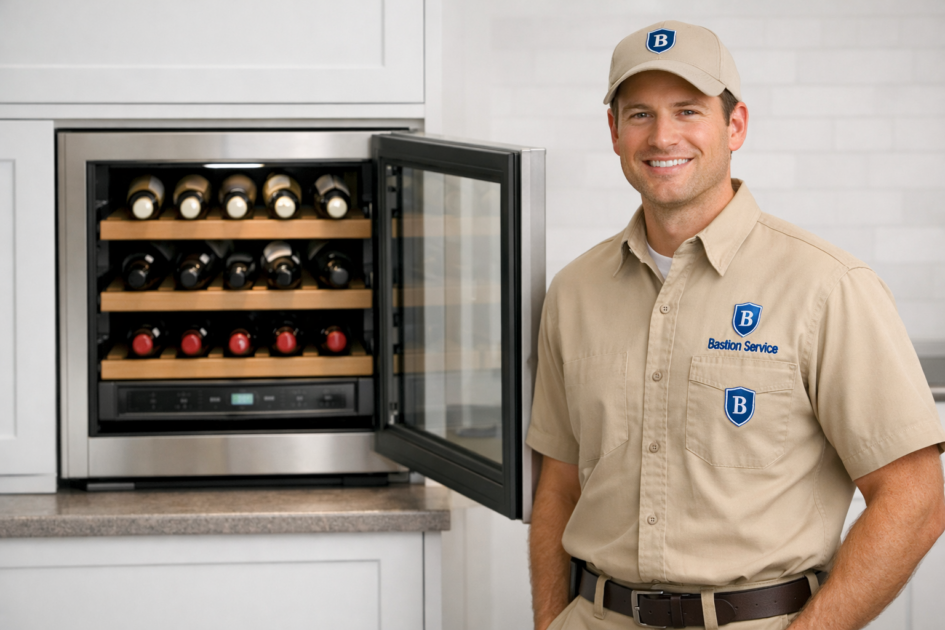
Wine coolers are especially sensitive to small temperature changes. An EdgeStar wine cooler that seems only slightly warm, runs louder than usual, or cycles too often may already be missing the stability needed for proper storage. Typical causes include fan problems, sensor drift, thermostat issues, gasket wear, or reduced cooling-system performance.
Condensation on the door or cabinet interior can also signal warm air infiltration. If the display appears normal but stored bottles are not staying at the expected temperature, the issue may be hidden behind seemingly normal controls. Repeated fluctuations usually warrant service sooner rather than later.
What common symptoms often mean
- Warm temperatures: possible airflow restriction, thermostat or sensor trouble, dirty heat-exchange surfaces, fan failure, or sealed-system problems.
- Frost buildup: often linked to defrost failure, poor door sealing, or circulation issues.
- Water leaks: may come from blocked drains, loose water connections, overflow conditions, or internal ice melting in the wrong place.
- Unusual noises: can point to fan motors, compressor-related components, vibration, or failing internal parts.
- Dead displays or unresponsive controls: frequently electrical in nature rather than purely mechanical cooling failure.
- Constant running: suggests the appliance is struggling to reach or hold target temperature.
When the problem needs faster attention
Some symptoms should not be watched for too long. If a refrigerator is no longer keeping food safely cold, a freezer is partially thawing, an ice maker is leaking steadily, or a wine cooler cannot maintain a usable range, delaying service can make the outcome worse. Water damage, food loss, excessive frost, and additional wear on major components become more likely the longer the appliance keeps running in a failed state.
Service is also a good idea when a unit starts tripping power, resetting unexpectedly, or making a new sound every cycle. Those are often signs that the failure is progressing rather than staying stable.
Repair or replacement: what usually drives the decision
Homeowners in Redondo Beach usually make this decision based on four things: age, severity of failure, part availability, and how the appliance has been performing overall. Repair often makes sense when the issue is isolated and the unit has otherwise been reliable. Replacement becomes more likely when the cooling-system failure is major, corrosion or repeated leaks are present, or the expected repair cost is too close to the value of keeping the appliance.
It also helps to consider the role of the appliance in the home. A primary refrigerator or freezer may justify faster action because downtime affects daily use right away. A secondary beverage cooler or ice maker may allow more flexibility, but unstable operation can still lead to waste, mess, or recurring inconvenience.
What homeowners in Redondo Beach should look for before scheduling
Before arranging service, it helps to note a few details: whether the appliance is warm all the time or only intermittently, whether noises happen at startup or throughout the cycle, whether frost is concentrated in one area, and whether leaks happen during ice production or after shutdown. Those clues can shorten the diagnosis process and make the repair direction easier to understand.
It is also useful to check whether the door closes fully, whether vents inside the cabinet are blocked, and whether the problem began suddenly or developed over time. Even small observations can help separate a basic operating issue from a failing component.
Choosing the next step for an EdgeStar appliance
For most households, the goal is simple: find out whether the appliance can return to reliable use without guessing at parts or replacing the whole unit too soon. A symptom-based evaluation is usually the best way to decide. Whether the issue involves a refrigerator, freezer, ice maker, or wine cooler, the right answer depends on what the appliance is actually doing now, not just the brand label on the door.
For EdgeStar Appliance Repair in Redondo Beach, that means focusing on the actual behavior of the unit, the urgency of the failure, and whether the repair path is sensible for the appliance you depend on at home.


