
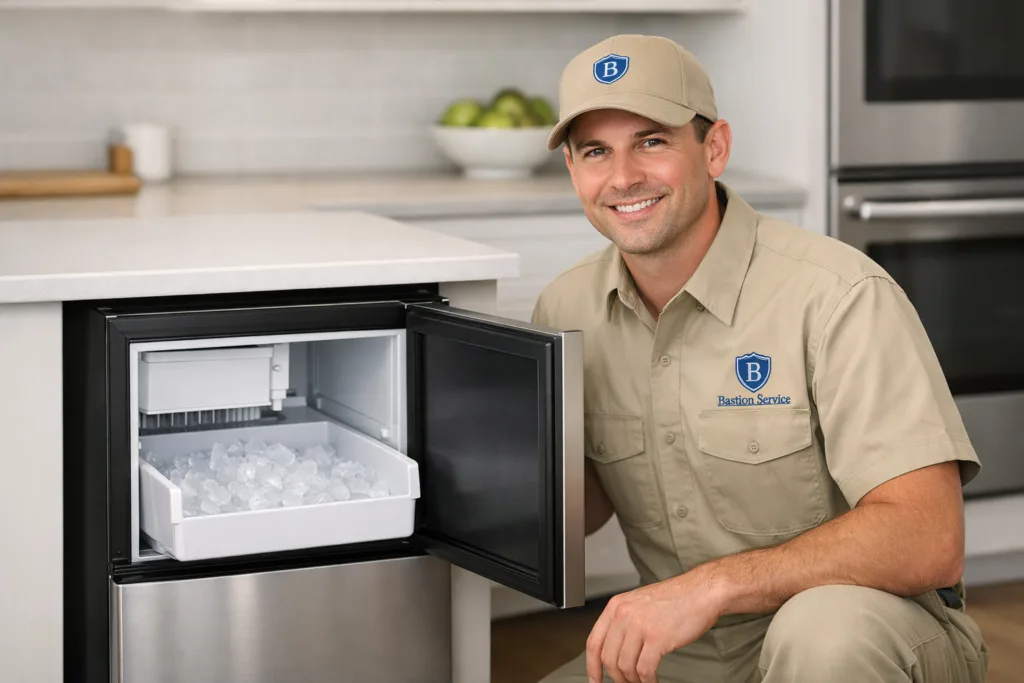




How to recognize a developing EdgeStar appliance problem
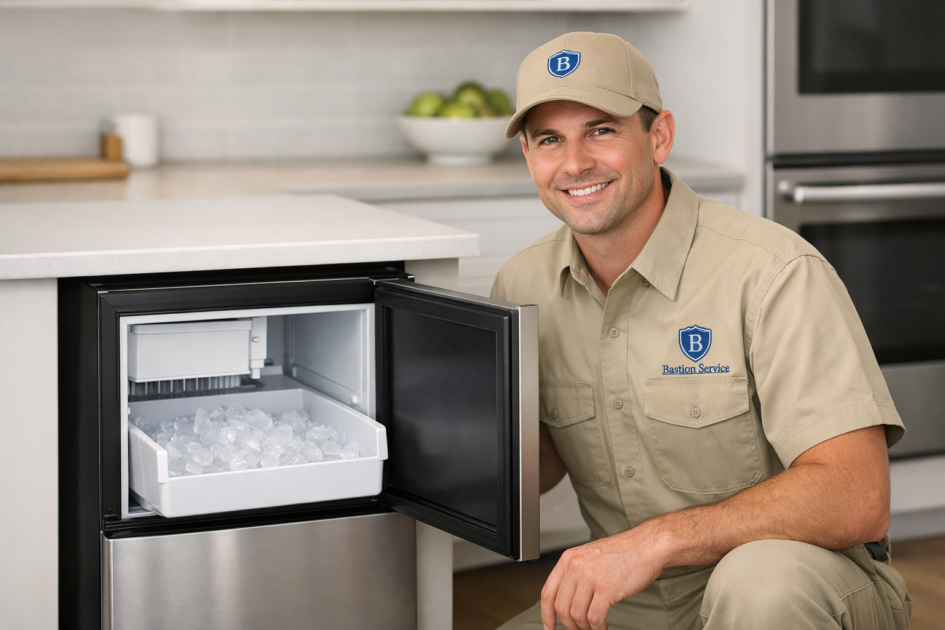
Most appliance failures do not begin with a complete shutdown. More often, performance shifts first: a refrigerator starts running longer than usual, a freezer develops thicker frost, an ice maker slows down, or a wine cooler no longer holds a steady range. Those changes matter because they usually point to a specific system under stress rather than a random one-time glitch.
For specific EdgeStar appliance paths in Century City, review EdgeStar Refrigerator Repair in Century City, EdgeStar Freezer Repair in Century City, and EdgeStar Ice Maker Repair in Century City.
For households in Century City, the most helpful way to evaluate the problem is to watch the symptom pattern closely. Is the unit warm all the time, or only part of the day? Is moisture showing up inside, underneath, or around the door? Did the noise appear suddenly, or has it gradually become louder? Small details like these often separate an airflow issue from a control problem, a seal problem from a defrost problem, or a minor adjustment from a more involved repair.
EdgeStar refrigerator symptoms that should not be ignored
Refrigerator issues often affect daily use immediately, especially when food temperatures become inconsistent. Even if the appliance still feels somewhat cold, uneven cooling can be a sign that it is no longer circulating air or regulating temperature correctly.
Fresh food section is warm but the freezer seems normal
This is one of the most common symptom patterns in built-in and freestanding refrigeration. It can point to restricted airflow, frost buildup behind interior panels, fan trouble, or a control issue that prevents cold air from moving where it should. The refrigerator may look like it is still working, but the fresh food side can drift into an unsafe range before the problem becomes obvious.
Both sections are warming
When the entire appliance is losing cooling, the issue is usually broader. Possible causes include condenser airflow problems, failing fans, sensor or board faults, or a sealed-system performance problem. If both compartments are warming at the same time, waiting too long can lead to food loss and extra strain on the cooling system.
Water under the refrigerator or moisture inside
Leaks do not always mean a supply line problem. In many cases, water under or inside the unit is related to blocked drainage, defrost issues, unstable temperatures, or a door seal that allows humid air to enter. If shelves feel damp or drawers collect water, the appliance is usually signaling a cooling or moisture-management problem that should be addressed before it affects surrounding surfaces.
New noises during normal operation
Refrigerators always make some operating sounds, but changes matter. Clicking that repeats, rattling that becomes louder, or a fan noise that sounds obstructed may suggest a worn motor, vibration issue, ice interference, or a compressor starting problem. A clear change in sound is often one of the earliest warnings that the unit needs attention.
Freezer problems that point to more than simple frost
A freezer does more than keep food cold. It has to maintain stable low temperatures consistently, and that is why early symptoms are worth taking seriously. A freezer that still freezes some items can still be developing a larger performance problem.
Heavy frost on walls, shelves, or stored food
Excess frost is often connected to warm air entering the compartment, a damaged gasket, or a defrost system that is no longer clearing buildup as intended. Frost may begin as a minor annoyance, but as it thickens it can interfere with airflow and reduce the unit’s ability to hold temperature evenly.
Food softening or partially thawing
If frozen items begin to feel softer than usual, refreeze unevenly, or develop more ice crystals, the freezer may be experiencing airflow trouble, fan failure, sensor problems, or temperature-control issues. These symptoms are especially important when they repeat over several days instead of appearing once after a heavily loaded shopping trip.
Freezer runs constantly
A freezer that rarely cycles off may be compensating for temperature loss. Dirty airflow paths, door sealing issues, frost buildup, and internal control problems can all cause extended run times. Constant operation does not always mean the appliance is cooling well; sometimes it means the unit is working harder while cooling less effectively.
What an EdgeStar ice maker is telling you when output changes
Ice makers usually reveal trouble through production changes before they stop entirely. Paying attention to output, cube shape, and water behavior can help narrow down the problem quickly.
Slow ice production or no ice at all
When production drops, the failure may involve water supply, fill timing, freezing conditions, or harvesting. If the unit is not making any ice, it helps to distinguish between three basic scenarios:
- It is not receiving enough water.
- It is filling but not freezing properly.
- It is freezing but not releasing the cubes.
Each pattern points to a different repair direction, which is why symptom-based diagnosis matters more than guessing at a single part.
Small cubes, hollow cubes, or clumping
Poor cube quality often reflects incomplete fills, temperature instability, or interrupted freezing cycles. Clumping can also happen when cubes melt slightly and refreeze together, which may indicate that the appliance is not maintaining a consistent internal environment.
Water leaking around the ice maker
Leaks can come from overfilling, leveling problems, drainage issues, or a component that is no longer controlling water flow properly. Because small leaks can spread into cabinetry or flooring, this symptom is worth addressing early rather than treating it as a cleanup issue only.
Wine cooler issues that affect storage conditions
Wine coolers are designed for consistency, so even modest swings in temperature or humidity deserve attention. A unit that still cools but no longer stabilizes can undermine long-term storage conditions.
Temperature drift or unstable cooling
If the cooler runs warm, overshoots the setting, or cycles unpredictably, possible causes include sensor drift, control faults, fan issues, or reduced cooling performance. Unlike a standard refrigerator, a wine cooler is meant to maintain a narrow and steady environment, so repeated fluctuation is a meaningful symptom.
Condensation on the glass or around the door
Visible moisture can point to seal wear, repeated warm-air intrusion, or internal temperature imbalance. Condensation is not always just a room-condition issue; it may be a sign that the appliance is struggling to manage airflow or maintain the intended internal climate.
Vibration or rattling shelves
Some vibration can come from leveling, shelf placement, or normal operation, but a noticeable change may indicate fan wear, mounting problems, or other mechanical issues. Because wine coolers are usually expected to run quietly, a new vibration pattern is often a useful clue.
Signs the problem is likely getting worse
Some symptoms are inconvenient but stable. Others tend to escalate quickly. It is smart to schedule service when you notice any of the following:
- Cooling that is inconsistent for several days in a row
- Frost returning soon after being cleared
- Water collecting repeatedly under or inside the unit
- Fans, buzzing, or clicking noises that are becoming more noticeable
- An appliance that runs almost nonstop without restoring normal performance
- Ice production dropping sharply or stopping completely
- A wine cooler that will not remain near its selected setting
These patterns usually mean the issue is active rather than temporary. Acting earlier may help limit food loss, moisture damage, and extra wear on other components.
Repair or replacement: how homeowners usually decide
The right choice depends on more than whether the appliance still turns on. Age, reliability history, severity of the current fault, and the condition of the rest of the unit all matter. A targeted repair often makes sense when the failure is isolated and the appliance has otherwise been performing well. Replacement becomes more likely when cooling problems are severe, breakdowns are repeating, or multiple systems are wearing out at the same time.
For many homeowners in Century City, the key is to avoid the two extremes: replacing too quickly when the problem may be manageable, or continuing to use a struggling appliance after the symptoms clearly show that performance is declining. A good evaluation helps determine whether the issue is localized or whether the unit is nearing the end of practical service life.
What to do before service is scheduled
A few simple observations can make the problem easier to identify:
- Note whether the issue is constant or comes and goes.
- Check if doors are closing fully and sealing evenly.
- Look for frost patterns, standing water, or condensation.
- Listen for changes in fan noise, buzzing, or clicking.
- Pay attention to whether temperatures recover after the door stays closed.
These details are especially useful when dealing with EdgeStar refrigerator repair, EdgeStar freezer repair, EdgeStar ice maker repair, or EdgeStar wine cooler repair, because similar complaints can come from very different causes. The more consistent the symptom description, the easier it is to choose the right repair path.
A focused approach for EdgeStar appliances in Century City
EdgeStar products used in residential settings often serve specialized roles, from food preservation to ice production to temperature-sensitive beverage storage. Because of that, the best next step is usually based on what the appliance is actually doing now, not on assumptions about what part must have failed. When the symptoms are evaluated carefully, homeowners can make a more confident decision about repair timing, expected urgency, and whether the unit is still a good candidate for continued use.


