





Dacor appliances are designed for performance, but when something changes at home, the most useful starting point is the symptom itself. A refrigerator that hums louder than usual, a dishwasher that leaves water behind, or an oven that suddenly takes too long to preheat can each point to several different causes. Looking at the full pattern of behavior usually tells you far more than replacing a part based on a guess.
Start with what the appliance is doing
Many household appliance problems begin with small changes that are easy to dismiss. Temperature swings, delayed starts, unusual clicking, poor drainage, weak burner heat, or control panels that respond inconsistently often show up before a complete breakdown. On Dacor models, those signs can be tied to sensors, switches, airflow restrictions, ignition components, door sealing issues, electronic controls, or wear in moving parts.
That is why symptom-based troubleshooting matters. Two appliances may appear to have the same problem while needing very different repairs. For example, a warm refrigerator may involve a fan, defrost issue, airflow blockage, or a more serious cooling-system problem. An oven that cooks unevenly might be dealing with a failed element, a temperature sensor issue, or heat loss around the door.
Common Dacor refrigerator and freezer symptoms
Refrigeration problems tend to feel urgent because they affect food storage right away. Dacor refrigerators and freezers may show trouble through rising temperatures, frost buildup, water under the unit, loud fan noise, long run times, or inconsistent icemaker operation.
Some patterns are especially helpful when deciding what may be wrong:
- Freezer cold but fresh food section warm: often linked to airflow, evaporator fan, or frost blockage issues.
- Water pooling inside or underneath: may come from a clogged defrost drain, supply line problem, or poor door sealing.
- Constant running: can point to dirty airflow paths, temperature loss, failing fans, or a cooling system under strain.
- Heavy frost: frequently suggests a defrost problem or a door gasket no longer sealing well.
If temperatures are no longer staying stable, it makes sense to stop delaying action. Refrigeration issues can move from inconvenient to expensive when the unit keeps running under stress or food spoilage begins.
Dishwasher problems that usually need attention
A Dacor dishwasher does not have to stop completely to have a real repair issue. Many homeowners first notice that dishes come out dull, wet, gritty, or still dirty after a normal cycle. Others see standing water in the bottom, hear a humming sound during drain, or find moisture leaking onto the floor.
Typical causes can include drain restrictions, pump wear, spray arm blockage, inlet valve problems, latch issues, or control faults. The symptom matters because poor washing, poor draining, and leaking do not all point to the same system.
These signs are worth taking seriously:
- Water remaining after the cycle ends
- Recurring leaks near the door or underneath the unit
- Failure to start unless the door is pushed hard
- Cycles stopping midway through operation
- Poor drying combined with weak wash performance
Leaks and drainage problems should move up the priority list quickly. Even a slow leak can affect nearby flooring and cabinetry if it continues unnoticed.
Cooktop and range issues homeowners often notice first
Dacor cooktops and ranges often show trouble through burner ignition problems, repeated clicking, weak flame, uneven heating, or controls that no longer respond normally. Electric surface elements may heat too slowly, fail to cycle correctly, or stay hotter than expected. Gas burners may click repeatedly or ignite only after several tries.
In many cases, burner performance problems come from ignition parts, switch problems, burner assembly issues, or interruptions in normal gas flow. On electric models, the source may be an element, switch, sensor, or control fault. The main point is that inconsistent heat is usually a sign to investigate rather than work around.
If there is a persistent gas odor, stop using the appliance and prioritize safety before anything else. A normal repair conversation starts only after that immediate risk is addressed.
Oven and wall oven performance changes
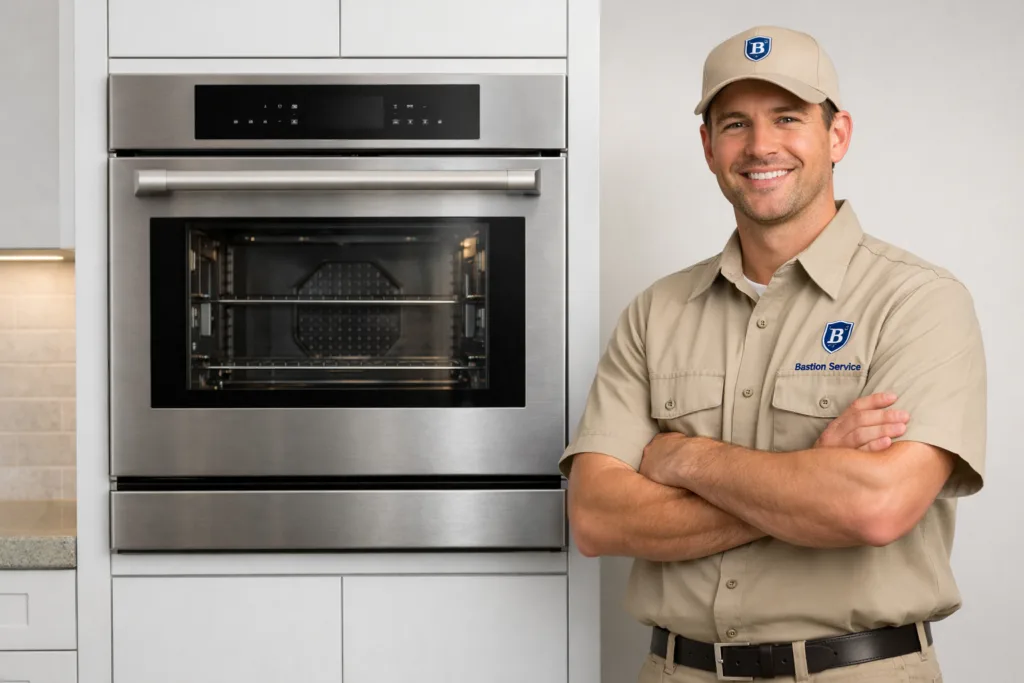
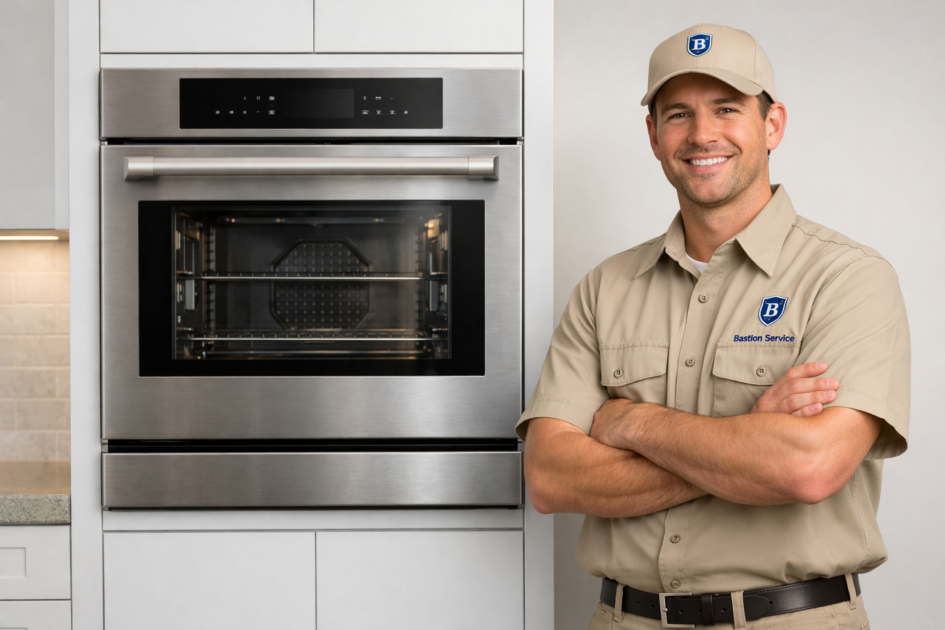
Dacor ovens and wall ovens often develop problems gradually. Preheating may take longer, baking results may become uneven, or the display may work while heating does not. In other homes, the oven reaches temperature but cannot hold it, causing roasting and baking times to become unpredictable.
Common symptom groups include:
- Slow or failed preheat: may involve bake or broil components, relays, sensors, or controls.
- Uneven cooking: can be caused by weak heat output, poor calibration, or heat loss around the door.
- Door not closing correctly: often tied to hinges, alignment, or gasket wear.
- Shutoffs during operation: may indicate overheating, control problems, or electrical faults.
When an oven starts tripping breakers, shuts off mid-cycle, or cannot maintain usable temperature, continued use usually creates more frustration than value. Those symptoms are stronger indicators of a true repair need than a one-time cooking mistake or recipe issue.
How to tell whether the problem is minor or urgent
Not every appliance issue requires the same response time. Some symptoms suggest a manageable performance drop, while others point to a problem that should be addressed quickly.
More urgent signs include:
- Water leaking onto the floor
- Burning smells
- Repeated breaker trips
- Loss of safe refrigerator or freezer temperature
- Ignition failure on a gas cooking appliance
- Controls that behave unpredictably during use
Less urgent issues, such as gradually weaker dishwasher cleaning or a slight oven temperature drift, may allow a little planning time. Even then, intermittent problems often become full failures later, so it helps to note when the symptom started and whether it is getting worse.
Repair or replace a Dacor appliance?
For many Rancho Palos Verdes homeowners, the better choice depends on the condition of the appliance as a whole, not just its age. A premium appliance is often worth repairing when the failure is isolated, the rest of the unit remains in solid shape, and the repair restores normal daily use. Replacement becomes more likely when problems are repeated, major systems are failing, or the expected repair cost no longer makes sense for the appliance’s remaining life.
Good decision-making usually comes down to a few questions:
- Is the fault limited to one serviceable system?
- Has the appliance been reliable until now?
- Are there multiple symptoms suggesting broader wear?
- Will the repair restore stable, everyday performance?
That evaluation is especially important with built-in kitchen appliances, where appearance and fit can matter almost as much as the mechanical repair itself.
What helps before service is scheduled
If a Dacor appliance is still safe to use, a few observations can make the next step more productive. Try to note whether the issue is constant or intermittent, whether it happens during specific cycles, and whether any sounds, leaks, error displays, or temperature changes accompany it. Those details can help separate a control issue from a mechanical one and can make the diagnosis more efficient.
It also helps to avoid forcing operation when the appliance is clearly struggling. Repeatedly restarting a dishwasher that will not drain, continuing to run a refrigerator with unstable temperatures, or using an oven that shuts off unexpectedly may add stress to already failing components.
Household-focused Dacor repair guidance in Rancho Palos Verdes
In Rancho Palos Verdes homes, the goal is usually simple: understand what the appliance is actually telling you and choose the repair direction that makes the most sense. Whether the issue involves a refrigerator, freezer, dishwasher, cooktop, oven, range, or wall oven, the symptom pattern gives the best starting point for deciding urgency, likely causes, and whether repair is the practical next move.
When the signs are identified early, homeowners are in a better position to avoid unnecessary part swapping, reduce disruption in the kitchen, and make a sound choice about restoring the appliance or moving on from it.


