







A warm refrigerator, a dishwasher that leaves residue, or an oven that won’t hold temperature can disrupt the whole routine at home. For Dacor appliance repair in Los Angeles, the key first step is accurate diagnosis, because similar symptoms can come from very different faults, and that affects whether repair is straightforward, urgent, or not worthwhile to delay.
Brand-wide Dacor appliance repair for Los Angeles homes
Dacor appliances often combine premium features with model-specific components, so guessing at the cause of a problem can lead to wasted time and added damage. Bastion Service helps homeowners in Los Angeles evaluate problems across major Dacor kitchen and food storage appliances, including refrigerators, freezers, dishwashers, cooktops, ovens, ranges, and wall ovens. The goal is to identify the actual failure, explain what the symptom pattern suggests, and determine the sensible next step for repair.
Common symptom groups and what they may indicate
Refrigerator and freezer problems
If a Dacor refrigerator is running but not cooling properly, the issue may involve airflow restriction, temperature sensing, a defrost-related fault, door sealing problems, or sealed system concerns, and Dacor Refrigerator Repair in Los Angeles may be the better place to start if the cooling symptoms are centered in the fresh food or freezer compartments. A freezer that develops heavy frost, soft food, or inconsistent temperatures can point to defrost component failure, circulation issues, or a door not closing fully. Water leaking near the unit may come from a blocked drain path, ice maker supply issues, or condensation caused by poor sealing. Unusual noises do not always mean a major failure, but they should be evaluated when cooling performance also changes.
Dishwasher performance issues
A Dacor dishwasher that does not clean well may have spray arm blockage, filtration buildup, circulation problems, loading-related wash coverage issues, or water heating concerns. If dishes come out wet, cloudy, or gritty, the cause might involve rinse performance, detergent interaction, poor draining, or a heating problem. Standing water after the cycle can indicate a drain restriction, pump issue, or installation-related flow problem, and Dacor Dishwasher Repair in Los Angeles may be more relevant when the symptoms stay limited to wash, drain, or drying performance. If the machine stops mid-cycle, shows control irregularities, or trips power repeatedly, service should be scheduled before continued use.
Cooktop and range symptoms
Dacor cooktops and ranges may develop burner ignition problems, uneven flame, weak heating, element failure, sensor issues, or control faults. On gas models, repeated clicking without ignition can mean an ignition or moisture-related problem, while uneven heating can come from burner assembly issues or control imbalance. On electric cooking surfaces, a burner that stays too cool or gets too hot may indicate an element, switch, or sensor fault. If cooking performance changes suddenly, diagnosis helps separate a repairable part failure from a broader control problem.
Oven and wall oven issues
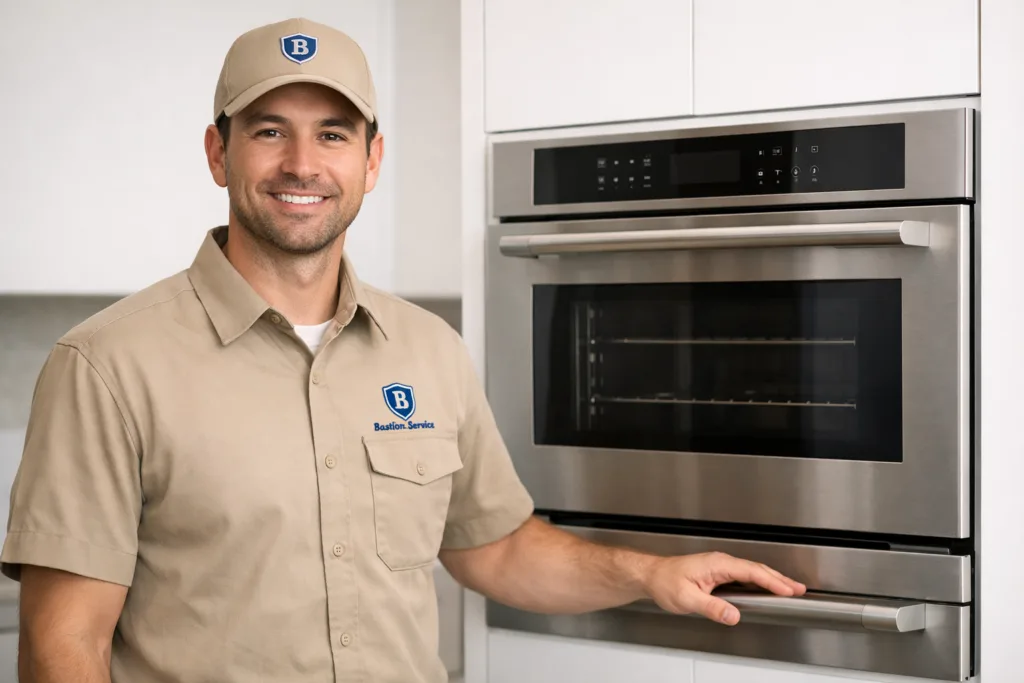
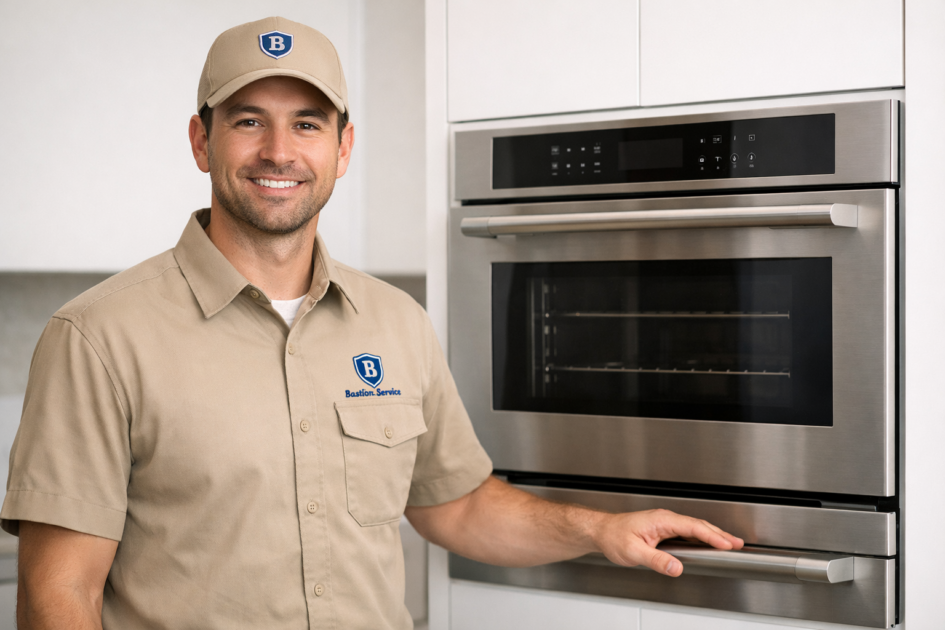
When a Dacor oven or wall oven bakes unevenly, runs too hot, stays too cool, or takes far too long to preheat, the cause may involve sensors, heating elements, convection components, door sealing, or electronic control problems, and Dacor Oven Repair in Los Angeles may be the better service path when the heat problem is focused inside the oven cavity rather than on the cooktop surface. If the display behaves unpredictably, the unit shuts off during operation, or self-cleaning is followed by performance changes, the problem should be checked before the appliance is used normally again. Temperature complaints are especially important to diagnose correctly because they can stem from calibration, component failure, or airflow differences inside the cavity.
When to schedule service instead of waiting
Some problems get more expensive when they are left alone. A refrigerator or freezer with unstable temperatures can put food at risk and force longer compressor run times. A dishwasher with drainage or leak issues can lead to water damage around cabinetry and flooring. A cooktop, oven, range, or wall oven that heats unpredictably can affect safety as well as cooking results. If a unit is tripping breakers, leaking, failing to cool, failing to heat, or showing repeated control errors, it makes sense to stop guessing and schedule a proper diagnosis.
Continued use may also worsen secondary damage. For example, a refrigerator with restricted airflow can ice over more heavily, a dishwasher with a drain problem can strain the pump, and an oven with a failing sensor can overheat and place extra stress on other components. Early diagnosis is often the difference between a focused repair and a larger parts issue.
Repair versus replacement considerations
Not every Dacor problem leads to the same decision. Repair is often sensible when the issue is isolated to a specific component, the appliance is otherwise performing well, and the overall condition supports continued use. Replacement becomes more relevant when there are multiple system failures, severe cooling system issues, recurring electronic faults, or the total projected repair path no longer makes practical sense compared with the appliance’s age and condition.
That decision should be based on the actual fault, not only on the symptom. A refrigerator that seems “dead” may have a repairable electrical issue, while an oven with mild temperature drift may need only targeted testing and adjustment. In Los Angeles homes where kitchen reliability matters day to day, clear diagnosis helps avoid replacing a premium appliance unnecessarily while also preventing repeated repairs that do not solve the root problem.
What homeowners can expect from a practical service approach
For Dacor appliance repair in Los Angeles, the most useful approach is straightforward: identify the symptom pattern, test the likely failure points, and explain whether repair should happen now, whether temporary non-use is smarter, and whether the appliance is still a good repair candidate. That applies across supported Dacor categories, from refrigerators and freezers to dishwashers, cooktops, ovens, ranges, and wall ovens.
If the appliance is no longer performing reliably, the main priority is not guessing from the outside signs alone. A proper diagnosis helps determine what failed, what risks come with continued use, and what repair path makes the most sense for the home.


