
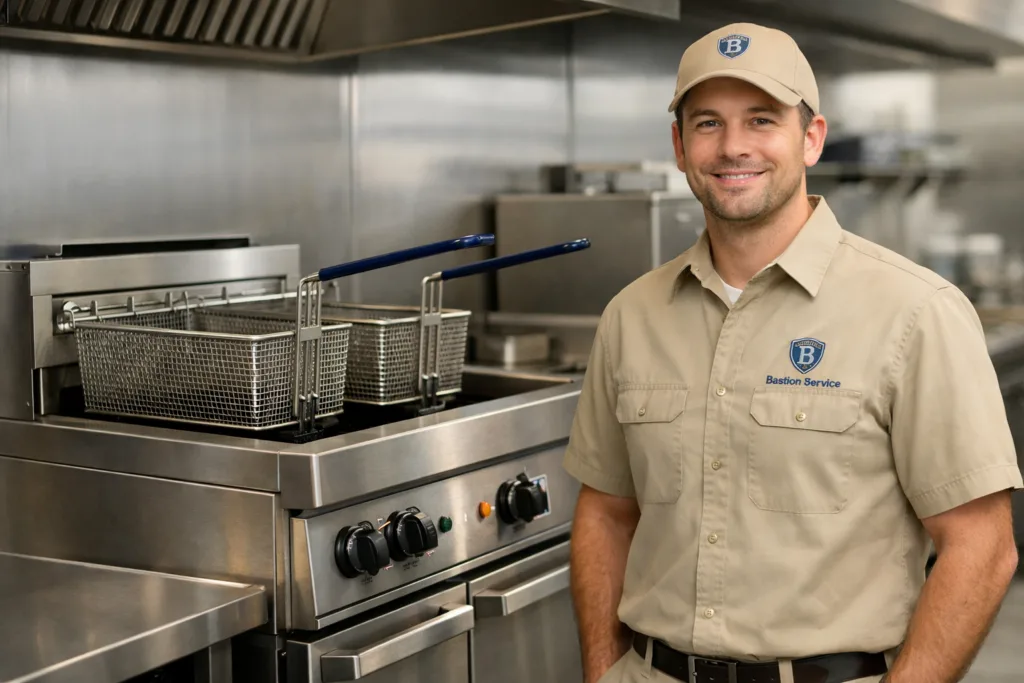






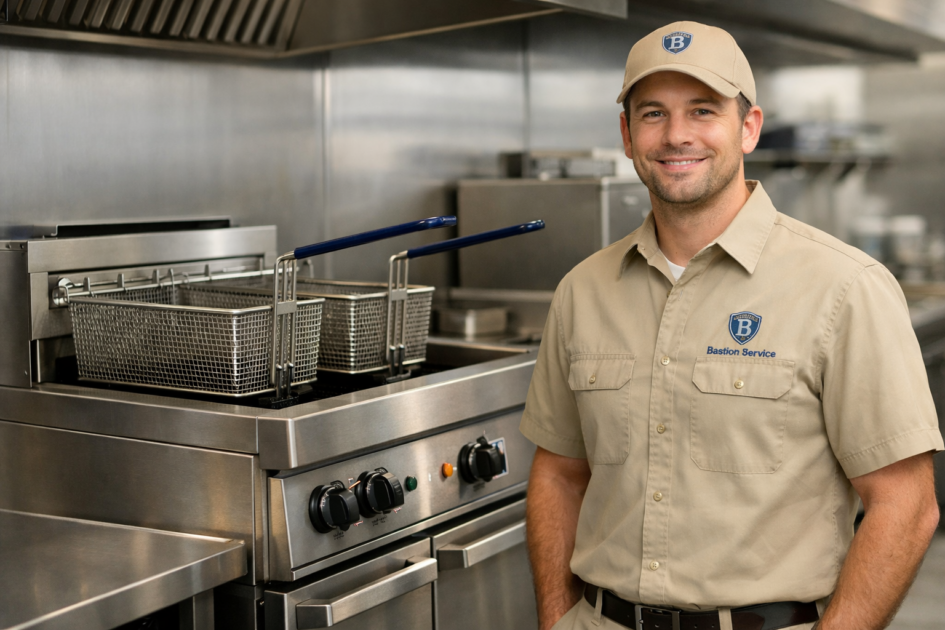
In a busy kitchen, fryer problems usually show up first as slower output, uneven product color, or batches that need more attention than usual. Those symptoms matter because they often point to a control, sensor, ignition, gas-flow, or electrical issue that can be identified before the unit fails completely. For West Hollywood businesses, early diagnosis helps protect food quality, labor efficiency, and daily production.
Related commercial equipment paths in West Hollywood include Frymaster Fryer Repair in West Hollywood and Pitco Fryer Repair in West Hollywood.
Common commercial fryer problems and what they can indicate
Fryer not heating or not reaching set temperature
If a fryer will not heat, heats only part of the time, or struggles to recover between batches, the cause may involve ignition components, heating elements, thermostats, probes, high-limit devices, contactors, or supply issues. In commercial use, weak recovery often becomes obvious during peak periods, when the oil temperature drops too far between loads and cook times start drifting.
Temperature swings and inconsistent cooking results
When oil runs hotter or cooler than the setpoint, food quality usually changes before the source of the fault is obvious. A drifting thermostat, failing temperature sensor, calibration problem, restricted burner performance, or control-board issue can all create unstable oil temperature. Over time, that instability can shorten oil life, increase waste, and make it harder for staff to produce consistent results from one batch to the next.
Ignition failures, lockouts, and unexpected shutdowns
A fryer that clicks without lighting, lights and then drops out, or shuts down during service may have an ignition problem, flame-sensing fault, gas valve issue, wiring problem, or a safety device responding to abnormal operation. Repeated resets may get the unit running temporarily, but they rarely solve the underlying cause and can lead to more disruptive downtime later in the day.
Leaks, smoke, and unusual burner noise
Oil leaks, visible smoke, popping sounds, delayed ignition, or abnormal burner noise should be treated as warning signs rather than minor annoyances. These conditions can indicate worn fittings, contamination, poor combustion, overheating, or failing internal components. Continued use may increase repair scope, create cleanup issues, and raise safety concerns for the kitchen team.
Signs the problem may involve more than the fryer
Some kitchen complaints begin as a fryer issue but turn out to involve adjacent cooking equipment, shared electrical supply conditions, or a broader hot-line performance problem. If the symptom includes burner heat problems or temperature inconsistency across other cooking units at the same time, Commercial Oven Repair in West Hollywood may be the better service path for part of the issue.
When to schedule service
Service is usually worth scheduling once the fryer shows slow heat-up, poor recovery, ignition trouble, temperature drift, repeated shutdowns, oil leakage, or breaker trips. Waiting often turns a manageable repair into a larger interruption, especially when staff begin adjusting cook times, reducing batch size, or relying on restarts just to get through service.
Another sign that service should not be delayed is when employees are compensating for the equipment every shift. If staff have to monitor one fryer more closely than the others, rotate production around it, or avoid using certain menu items during busy hours, the equipment is already affecting workflow even if it still powers on.
When continued use may worsen damage
Continued operation is risky when the fryer overheats, cannot regulate oil temperature, leaks, trips safety devices, or shuts down unpredictably. Running the unit in that condition can damage controls, accelerate wear on related parts, and increase product loss during service windows. If there is a persistent gas odor, stop using the appliance and follow appropriate safety procedures before arranging repair.
Repair versus replacement considerations
Repair is often the better option when the fault is limited to a specific component and the fryer remains structurally sound. Replacement becomes more likely when there are repeated failures across multiple systems, significant deterioration, chronic temperature-control issues, or repair costs that no longer make sense for the age and condition of the equipment.
For many commercial kitchens, the decision also depends on downtime. A fryer that can be repaired reliably may still be the right choice, but a unit with ongoing interruptions can cost more through lost production, disrupted prep, and inconsistent output than the parts estimate suggests on paper.
What a practical service visit should cover
A useful commercial fryer repair visit should include symptom review, operating checks, temperature verification, inspection of controls and safety devices, and testing of the components most likely tied to the failure. The goal is to identify whether the issue is isolated and repairable, part of a larger wear pattern, or a sign that replacement planning should start soon.
For West Hollywood businesses, the best outcome is not simply getting the fryer to restart. It is restoring stable heating, predictable recovery, and dependable operation so the kitchen can return to normal production with less disruption.


