
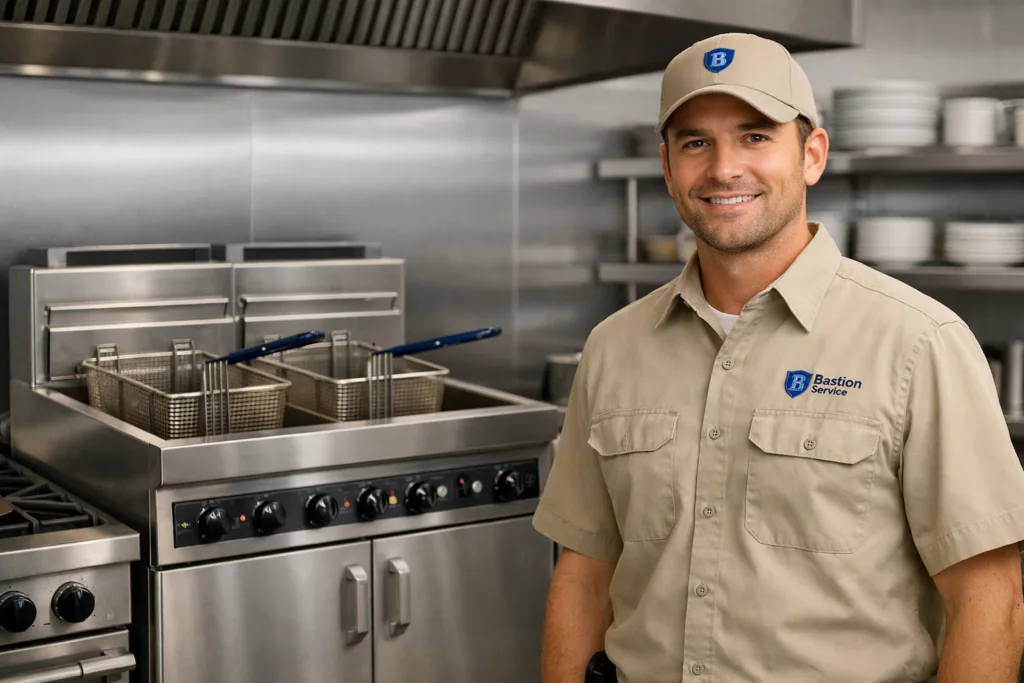




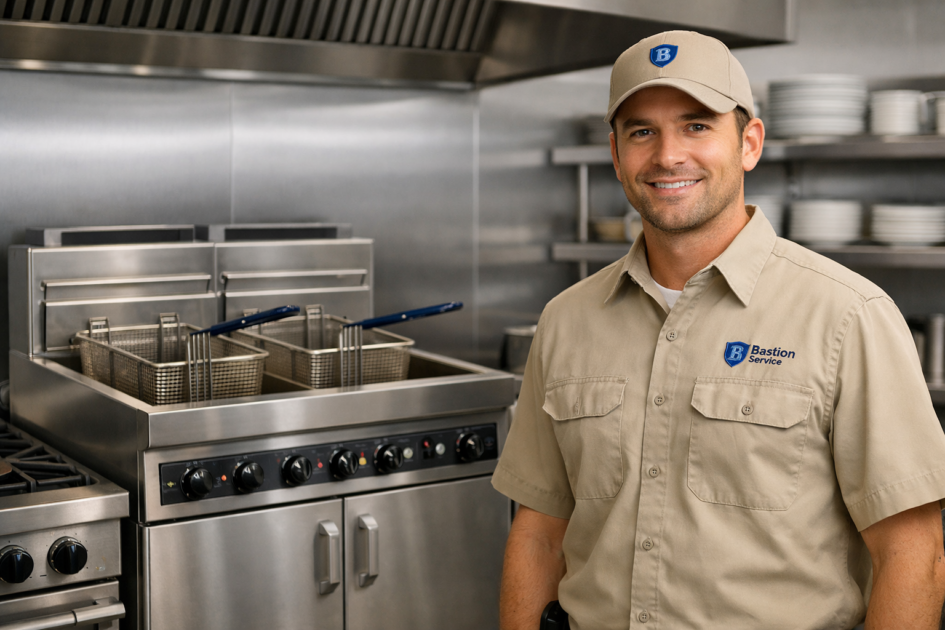
Fryer problems rarely stay isolated for long in a commercial kitchen. A unit that heats slowly, overshoots temperature, or shuts down mid-shift can disrupt ticket times, product consistency, and staffing rhythm. Because similar symptoms can come from different underlying failures, the most useful first step is identifying whether the issue involves heat production, temperature sensing, controls, electrical supply, gas ignition, or component wear inside the fryer.
Related commercial equipment paths in El Segundo include Frymaster Fryer Repair in El Segundo and Pitco Fryer Repair in El Segundo.
Common fryer problems and what they may indicate
Inconsistent oil temperature is one of the most frequent complaints. When oil runs too hot, too cool, or drifts away from the set point during normal use, likely causes can include a faulty thermostat, temperature probe issues, high-limit problems, control board faults, damaged heating elements, or burner-related problems on gas units. Buildup around critical components can also interfere with normal operation and lead to unstable performance.
Slow heat-up and weak recovery between batches often show up before a complete failure. If the fryer struggles to return to cooking temperature after a load of product, the problem may involve worn heating components, ignition trouble, contactor failure, power supply issues, or restricted gas flow. In high-volume service, that type of lag directly affects throughput and can force staff to adjust batch timing in ways that reduce consistency.
A fryer that will not turn on, will not heat, or repeatedly shuts off during operation usually needs structured troubleshooting rather than guesswork. Safety circuits, relays, switches, wiring faults, and internal control failures can all create similar symptoms. Smoke, oil leaks, unusual odors, or visible residue near key components should also be taken seriously because continued use can increase repair scope and create unsafe operating conditions.
Symptoms that should not be ignored
Some issues tend to escalate quickly in a busy kitchen. Repeated ignition failure, tripped protection components, unstable temperatures, delayed recovery, and error codes often point to problems that are already affecting reliability. Uneven cooking from one side of the vat to the other can also suggest heating imbalance or circulation-related issues that will continue to affect food quality until the root cause is corrected.
When the symptom involves broader cooking-line heat performance rather than the fryer alone, Commercial Oven Repair in El Segundo may be the better service path.
When service is usually warranted
Service is typically worth scheduling once staff are compensating for equipment behavior instead of operating normally. Common examples include extending cook times, reducing batch size, rotating product to another station, restarting the fryer during service, or constantly adjusting temperature settings to chase acceptable results. Those workarounds usually indicate the unit is no longer performing within a dependable range.
Unexpected shutdowns, overheating, visible leaks, and recurring startup issues are also strong signs that the fryer should be inspected before more parts are affected. A smaller control or sensor problem can lead to wider damage if the unit keeps operating under stress. For businesses in El Segundo, early intervention is often the difference between a targeted repair and a more disruptive outage during active service hours.
Repair versus replacement considerations
Repair is often the practical option when the failure is limited to identifiable components and the fryer cabinet, vat, and main structure remain in serviceable condition. If the unit still matches production needs and the problem is tied to controls, ignition parts, heating components, probes, or wiring, repair may restore stable operation without the larger cost and disruption of replacement.
Replacement becomes more likely when the fryer has chronic breakdowns, severe wear, recurring leak issues, or multiple overlapping failures that continue to interrupt kitchen performance. Age matters, but it is not the only factor. Decision-making is usually better guided by failure history, parts condition, downtime impact, and whether the equipment can return to reliable daily use.
What a useful diagnosis should clarify
A strong diagnosis should answer several questions clearly: what failed, whether related parts have also been affected, whether continued operation risks more damage, and whether the proposed repair is likely to restore dependable performance. That information helps managers make a sound decision based on actual equipment condition rather than symptom-chasing.
For commercial kitchens in El Segundo, that matters because fryer downtime affects more than one menu item. It can change pacing across prep, cooking, and expediting while increasing waste and labor pressure. Understanding the exact source of the problem makes it easier to plan repair timing, protect uptime, and return the station to predictable performance.


