
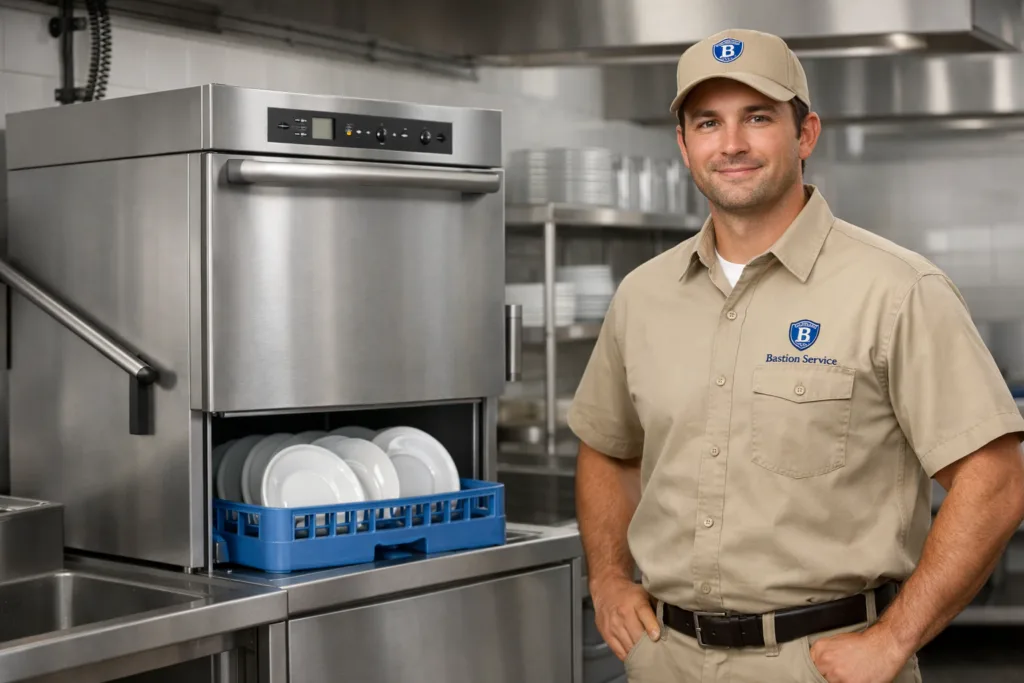




How Commercial Dishwasher Problems Disrupt Operations
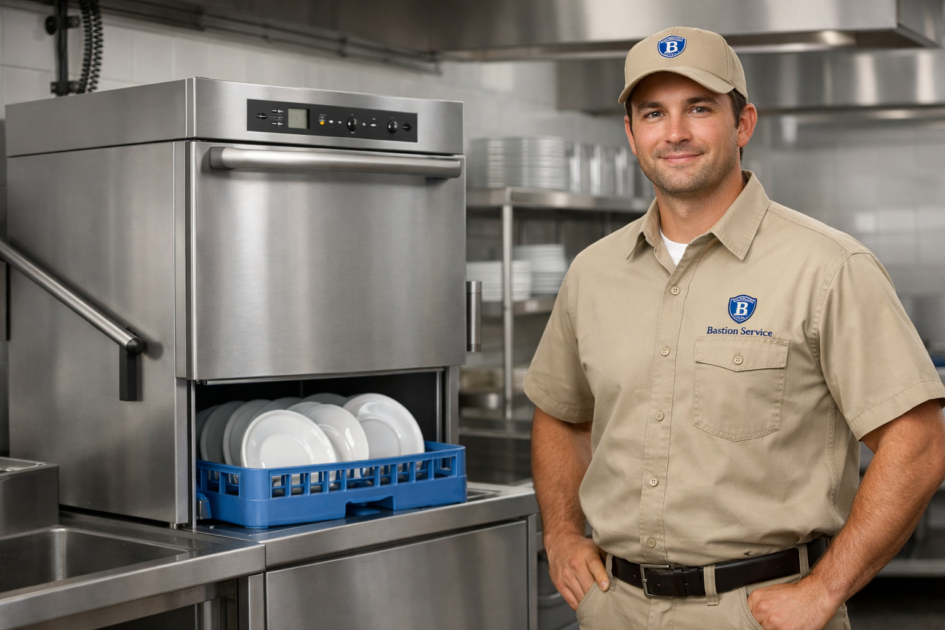
In a busy dish area, even a small performance change can create a larger operational problem. A machine that leaves residue on wares, drains slowly, or struggles to maintain rinse temperature can increase rewash volume, delay rack turnover, and put extra pressure on staff. In commercial settings, dishwasher issues are rarely just equipment issues. They affect sanitation flow, labor efficiency, and the pace of service.
Related commercial equipment paths in Torrance include Commercial Refrigerator Repair in Torrance, Commercial Freezer Repair in Torrance, and Hobart Dishwasher Repair in Torrance.
That is why the most useful first step is to identify where the failure is happening in the cycle. Fill, wash, heat, drain, and rinse stages each depend on different components, and similar symptoms can have very different causes. A proper diagnosis helps determine whether the issue is isolated or part of a larger equipment condition problem.
Common Commercial Dishwasher Symptoms
Poor Wash Results
If racks come out with food particles, film, or spotting, the cause may involve reduced wash pressure, blocked spray arms, restricted filters, improper fill levels, or heating problems. Poor results can also show up when a unit is technically running but not circulating water with enough force to clean consistently. In a commercial kitchen, this often leads to rework and slower turnaround during peak periods.
Standing Water or Slow Draining
Water left in the machine after a cycle usually points to a drain restriction, pump problem, stuck drain component, or control issue that interrupts the drain stage. Slow drainage can also allow dirty water to remain in the tank longer than it should, affecting wash quality and increasing sanitation concerns. If this symptom continues, it may place added strain on pumps and related parts.
Low or Inconsistent Rinse Temperature
When rinse temperatures are not reaching expected levels, the machine may not be heating correctly or sensing temperature accurately. Possible fault areas include heating elements, booster systems, thermostats, sensors, high-limit devices, and control components. For businesses that depend on stable sanitizing performance, temperature-related issues should be addressed quickly instead of worked around.
Leaks Around or Under the Unit
Leaks can come from worn door gaskets, cracked hoses, loose fittings, pump seals, or overflow conditions caused by fill or drain problems. A small leak may seem manageable at first, but continued operation can lead to water damage, slip hazards, and secondary component wear. In some cases, what looks like a gasket issue may actually begin with water level control problems inside the machine.
Cycle Failures and Mid-Cycle Shutdowns
If the dishwasher stops partway through a cycle, fails to fill, does not transition between stages, or behaves intermittently, the problem may involve switches, timers, relays, sensors, wiring, or the control system. These faults can be harder to identify without direct testing because the machine may appear normal between failures. Repeated resets usually do not solve the underlying cause.
Unusual Noise During Operation
Grinding, rattling, humming, or cavitation-type sounds can point to pump wear, obstructions, motor issues, loose internal parts, or water flow problems. Noise matters because it often shows up before a complete breakdown. Catching the cause early can help prevent a minor mechanical issue from becoming a more expensive repair.
Why Similar Symptoms Need Different Repairs
Commercial dishwashers often produce overlapping symptoms. Poor cleaning may be caused by low water pressure, but it can also come from improper fill, partial draining, weak heating, or a control fault that changes cycle timing. A leak may start at a seal, or it may be the downstream result of a fill valve that is not regulating water correctly.
This is why replacing parts based only on the most visible symptom can waste time and extend downtime. Testing the equipment through its operating stages helps show whether the failure is hydraulic, electrical, mechanical, or control-related. For managers and operators, that means a clearer picture of what actually needs to be repaired and whether the machine is likely to return to stable service afterward.
When Service Should Be Scheduled
Service is worth scheduling when any of the following becomes consistent rather than occasional:
- Dirty or poorly rinsed wares after normal cycles
- Water remaining in the tank or slow draining
- Noticeable leaks during or after operation
- Rinse temperature not reaching normal levels
- Longer cycle times or interrupted cycles
- Failure to fill, wash, or drain properly
- Abnormal noises from the pump or motor area
These symptoms usually indicate more than normal wear. If the machine is leaking, overheating, failing to drain, or shutting down during use, continued operation can increase damage and create avoidable disruption in the dish area.
Repair vs. Replacement for Commercial Units
Many commercial dishwasher problems are repairable when the issue is limited to a pump component, valve, sensor, heating part, switch, or control-related fault and the rest of the machine remains in good working condition. A unit does not have to be new to be a reasonable repair candidate, especially if it still matches the operation’s throughput needs and has not developed widespread wear.
Replacement becomes more likely when corrosion is advanced, multiple systems are failing at once, parts availability is poor, or recurring breakdowns are already affecting business operations. The key question is not simply the age of the machine, but whether the repair meaningfully extends reliable service life. For businesses in Torrance, that decision is usually tied to uptime, workflow, and whether the equipment can return to dependable daily use after service.
What a Commercial Service Visit Should Clarify
A useful commercial dishwasher service call should do more than identify a bad part. It should clarify how the machine is failing, whether additional wear is present, and whether continued use could cause further damage. That includes checking water movement, drain performance, heating operation, component response, and cycle behavior under normal operating conditions.
For business owners, kitchen managers, and facility teams, the goal is to leave with a realistic understanding of the fault and the next step. That makes it easier to decide on repair approval, plan around downtime, and avoid spending on guesswork.
Commercial Dishwasher Repair Support for Torrance Businesses
Bastion Service helps businesses in Torrance with commercial dishwasher repair focused on symptom-based troubleshooting, equipment testing, and practical recommendations based on the machine’s actual condition. Whether the issue involves poor cleaning results, drain problems, leaks, low rinse temperature, pump trouble, or cycle failure, the right service approach starts with finding the source of the problem rather than assuming the cause.
When dishwashing equipment supports daily sanitation and kitchen flow, timely repair decisions matter. A focused diagnosis can help determine whether the issue is straightforward, whether other components are being affected, and what is most likely to restore reliable operation.


