
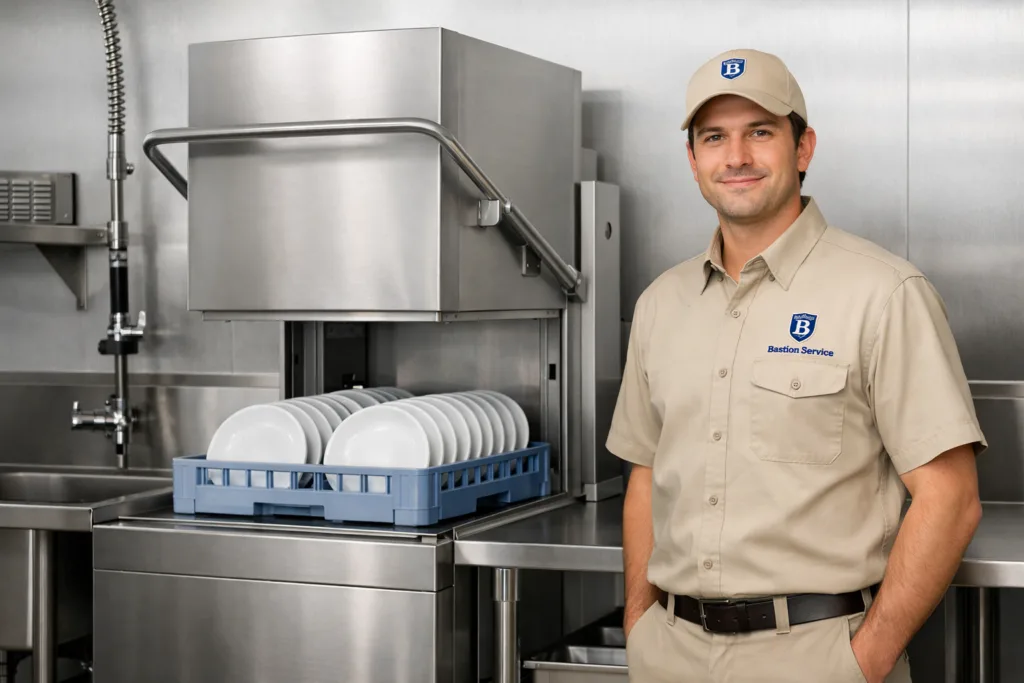




Commercial dishwasher problems that interrupt dish-area workflow
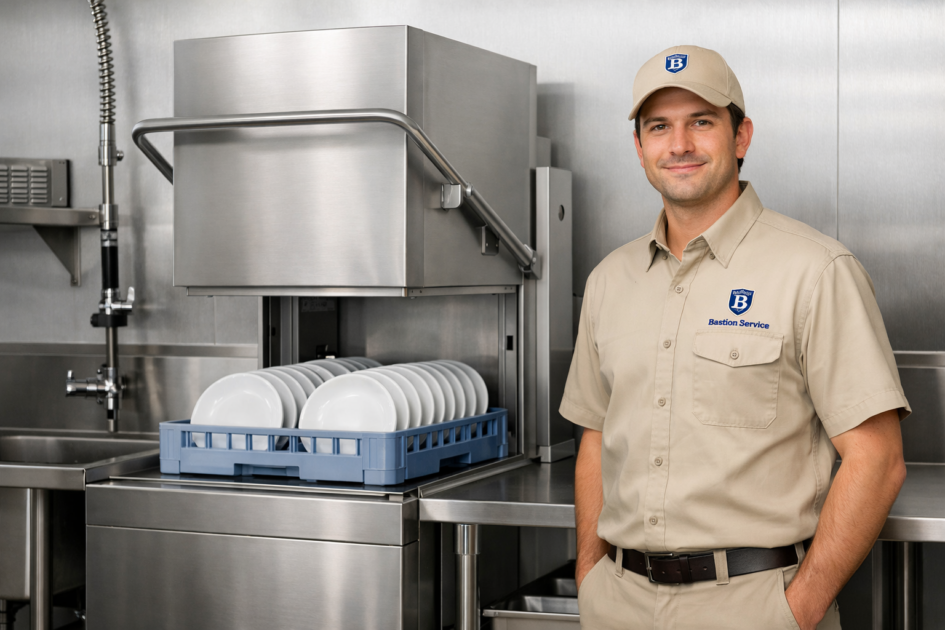
When a commercial dishwasher starts leaving soil on wares, pausing during operation, or leaking onto the floor, the impact is immediate. Clean-up slows down, staff begin rerunning racks, and the risk of sanitation delays increases. In a business setting, even a problem that seems minor at first can turn into lost time, inconsistent results, and added strain on the machine.
Related commercial equipment paths in Palos Verdes Estates include Commercial Fridge Repair in Palos Verdes Estates, Commercial Freezer Repair in Palos Verdes Estates, and Hobart Dishwasher Repair in Palos Verdes Estates.
In Palos Verdes Estates, service calls commonly involve units that still power on but no longer wash effectively, machines that fill or drain inconsistently, and systems that stop before completing the cycle. Those symptoms can come from very different causes, including pump wear, blocked drain paths, heating problems, faulty inlet components, control issues, or sensor-related faults.
Common symptoms and what they may indicate
Poor wash results or residue left behind
If glasses, dishes, or utensils come out with residue, film, or food particles still attached, the problem may involve low spray pressure, weak circulation, restricted wash arms, improper fill levels, temperature problems, or detergent delivery issues. In commercial use, this often shows up as repeat washing and slower turnover, which adds labor and increases wear without addressing the root cause.
Performance complaints are especially important when results were previously consistent and then changed suddenly. A noticeable drop in cleaning quality often points to a mechanical or water-flow issue that should be checked before it affects more parts of the system.
Standing water or slow draining
Water left in the tank or base after a cycle usually suggests a drain restriction, pump problem, hose blockage, or a fault in the machine’s drain sequence. Staff may try to work around it by draining manually or timing cycles differently, but that rarely solves the actual issue.
Slow drainage can also lead to odors, overflow risk, and unsanitary operating conditions. If the unit is struggling to clear water consistently, prompt service is the better choice.
Leaks during operation
Commercial dishwasher leaks can come from worn door gaskets, split hoses, loose fittings, pump seals, overfilling, or drainage problems that force water out where it should not go. A small leak is still a facility concern because it affects floor safety, nearby equipment, and cleanup demands.
Leaks that appear only during certain parts of the cycle can also help narrow down the source. Water near the door may suggest sealing or alignment problems, while leaking from underneath may point to internal components, plumbing connections, or pump-related faults.
Unit will not start or stops mid-cycle
A no-start condition may involve incoming power issues, door latch faults, failed switches, control problems, or electrical failures within the machine. If the dishwasher starts but repeatedly shuts down before the cycle ends, the issue may be tied to overheating, faulty sensors, drain problems, or control interruptions.
Repeated mid-cycle failure should not be ignored. A machine that is losing continuity during operation often needs testing before continued use causes a larger electrical or mechanical repair.
Low rinse temperature or heating-related issues
If the dishwasher is not reaching proper rinse temperature, wares may come out wet, poorly sanitized, or not ready for normal turnover. Heating problems can involve elements, thermostats, sensors, controls, relays, or related electrical components.
Temperature-related faults are especially disruptive in commercial settings because they affect both cleaning confidence and daily operating pace. If rinse performance has dropped or cycle times are changing unexpectedly, the heating system should be evaluated.
Unusual noise from the pump or wash system
Grinding, loud humming, rattling, or harsh pump noise can point to worn motor components, debris in the pump area, failing bearings, or circulation parts under stress. Noise changes often appear before complete failure, making them one of the more useful early warning signs.
If a machine sounds different than normal and performance is also slipping, the problem may already be progressing beyond a simple adjustment.
Why accurate diagnosis matters
The same symptom can have several possible causes. Poor cleaning, for example, may come from weak circulation, inadequate heating, restricted spray action, incorrect fill behavior, or a control problem affecting cycle timing. Replacing one visible part without confirming the actual fault can lead to extra downtime and unnecessary expense.
A thorough diagnosis helps identify whether the issue is isolated or part of a larger pattern. That matters when a machine has intermittent faults, a history of repeat service, or multiple symptoms happening at the same time. The goal is not just to get the dishwasher running again, but to determine whether the repair is likely to restore stable day-to-day operation.
Signs your business should schedule service promptly
- The dishwasher is leaking during fill, wash, or drain cycles.
- Water is not draining fully between loads.
- Wash results have declined and staff are rerunning racks.
- The unit shuts down before the cycle completes.
- Rinse temperature appears low or inconsistent.
- The machine is making new grinding, humming, or rattling sounds.
- Staff are using workarounds to keep the dishwasher usable.
These conditions tend to worsen under commercial load. What starts as a performance issue can quickly become a sanitation, safety, or workflow problem if the machine is kept in use without addressing the cause.
When continued use may increase repair scope
Running a commercial dishwasher with a failing pump, drainage restriction, active leak, electrical interruption, or recurring overfill can lead to added damage. A problem that begins in one system may start affecting motors, controls, wiring, or surrounding components if the unit is pushed through repeated cycles.
If the machine is behaving unpredictably, tripping power, leaking consistently, or showing a sudden drop in performance, limiting use until it can be evaluated is often the more cost-conscious decision.
Repair versus replacement considerations
Many commercial dishwasher problems are repairable, especially when the fault is clearly defined and the rest of the machine remains in solid operating condition. Repair is often the sensible choice when the dishwasher has been dependable, the issue is isolated, and the expected fix supports reliable return to service.
Replacement becomes more relevant when there are multiple failing systems, recurring interruptions, severe wear, difficult parts situations, or a pattern of repairs that no longer improves day-to-day reliability. The right decision usually depends on the machine’s overall condition, downtime risk, and whether the next repair is likely to solve the operational problem in a lasting way.
What businesses in Palos Verdes Estates should expect from service
For commercial dishwasher repair in Palos Verdes Estates, a useful service visit should identify the most likely failure point, explain how that issue affects machine performance, and clarify whether the equipment can continue operating safely before repair is completed. That gives managers and kitchen teams a better basis for making decisions around scheduling, workflow, and equipment planning.
When the dishwasher supports daily sanitation and steady turnover, timely service helps protect productivity as much as the equipment itself. A machine that washes consistently, drains properly, and completes cycles without interruption is essential to keeping the dish area moving.


