





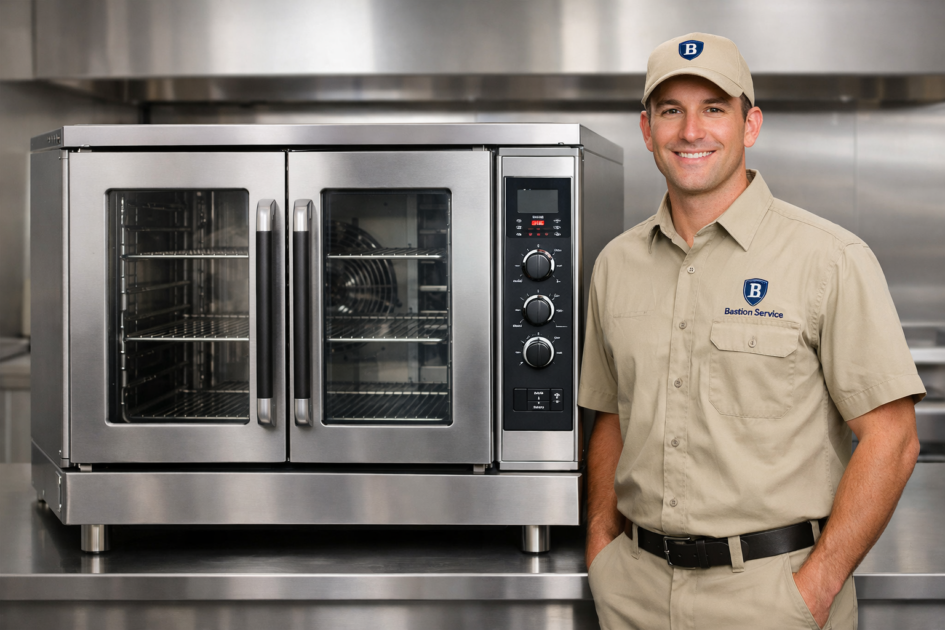
Repair decisions on Blodgett cooking equipment are easiest when the symptom is tied to how the unit is failing during real service hours. If an oven is missing temperature, cycling unpredictably, or slowing production, the priority is to identify whether the issue involves heat generation, ignition, controls, airflow, or electrical supply so scheduling can happen before a small performance problem turns into a full interruption. Bastion Service works with Century City businesses that need the problem explained in operating terms, including what the equipment is doing now, what continued use may risk, and how urgent the repair should be.
For specific equipment paths in Century City, review Blodgett Oven Repair in Century City and Commercial Appliance Repair in Century City.
Blodgett cooking equipment problems that commonly affect daily operations
Blodgett equipment is built for steady kitchen output, but recurring symptoms usually show up in ways operators notice quickly: longer cook times, uneven results, unreliable startup, random shutdowns, or controls that no longer respond normally. In restaurants and other food-service settings, these problems affect ticket flow, batch consistency, staffing, and confidence in the line.
Heating problems and slow recovery
One of the most disruptive complaints is equipment that does not heat properly or takes too long to recover between loads. On Blodgett ovens, this can point to failed heating components, igniters, gas-valve issues, temperature sensors, thermostats, relays, or control faults. The operating impact is usually seen first as delayed preheat, slow baking, weak recovery during rush periods, or the need to rotate product because expected cook times no longer match reality.
When heat output drops but the unit still runs, businesses often try to work around it. That can create product inconsistency, labor inefficiency, and extra wear on components that are already struggling. Scheduling service early is usually the better move when the equipment is no longer keeping up with normal volume.
Uneven cooking and inconsistent results
If one section of the cavity runs hotter than another, or batches are browning unevenly, the issue may involve airflow, fan performance, burner distribution, sensor drift, door-seal wear, or calibration problems. These symptoms do not always cause an immediate shutdown, but they often create waste and rework long before the unit stops entirely.
For businesses that depend on repeatable output, inconsistency is a repair issue, not just a quality issue. When staff members are adjusting rack positions, extending cycles, or checking product more often than usual, the equipment is already affecting production standards.
Ignition trouble and startup failures
Blodgett cooking equipment that hesitates at startup, ignites intermittently, or fails to stay lit should be evaluated before regular use continues. Possible causes include ignition components, flame-sensing issues, burner problems, control failures, or safety-circuit faults. These problems often begin as occasional startup delays and then progress to more frequent lockouts or shutdowns.
If the equipment has become unreliable to start, it should not be treated as a minor annoyance. In a busy kitchen, startup uncertainty can disrupt prep timing, lead to last-minute station changes, and create avoidable pressure on other equipment. If there is a strong or persistent gas smell, stop using the unit and address the gas safety concern first before arranging appliance repair.
Control problems, error codes, and unexpected shutdowns
Displays that stop responding, controls that reset, unexplained fault codes, or units that shut down during operation usually indicate a problem beyond normal wear. Depending on the model, the cause may be tied to wiring, sensors, boards, power supply issues, overheating, or communication failures between components.
Intermittent shutdowns are especially disruptive because the equipment may appear normal between failures. If possible, note whether the shutdown happens during preheat, under full load, after a specific cycle length, or during peak production. That kind of symptom history often helps narrow the source of the fault more quickly.
How these issues show up in business kitchens
Cooking equipment problems are rarely isolated to the appliance itself. A Blodgett unit that runs below target temperature can slow ticket times, force menu adjustments, and create uneven production across shifts. An oven that drops out mid-cycle can lead to wasted product, customer-service delays, and last-minute workload shifts to already busy stations.
In Century City operations where timing and consistency matter, repair is often less about the single failed part and more about restoring predictable output. That is why symptom-based diagnosis matters. The right service approach should answer not just what failed, but how the failure is affecting use, whether the equipment can stay in rotation, and what should be repaired first to stabilize operations.
When to schedule service instead of waiting
Waiting is risky when the equipment is still technically running but no longer operating normally. Service should be scheduled when you notice any of the following:
- Longer preheat times or weak heat during busy periods
- Temperature swings or failure to hold the set point
- Repeated ignition attempts or unreliable startup
- Uneven cooking, hot spots, or inconsistent batch results
- Error codes, control issues, or repeated resets
- Unexpected shutdowns during normal operation
- Production delays tied to one piece of cooking equipment
These symptoms usually mean the equipment is already affecting labor, food quality, or service flow. Partial operation can be more disruptive than a complete outage because teams keep trying to work around a unit that is no longer dependable.
Repair planning for Blodgett ovens and related cooking equipment
Not every fault requires the same response. Some issues allow limited short-term use while parts and scheduling are coordinated, while others mean the unit should be taken offline immediately. The best repair visits help management decide whether the equipment can continue in reduced service, whether a same-day response is necessary, and whether the condition of the unit supports repair versus replacement planning.
For Blodgett oven repair, that usually means looking beyond the first complaint. A temperature issue may involve more than calibration. An ignition complaint may point to broader burner or control trouble. A shutdown problem may trace back to supply, wiring, or heat-management issues. Evaluating the full symptom pattern helps reduce misdiagnosis and unnecessary parts replacement.
What to have ready before a service visit
To speed up troubleshooting, it helps to gather a few details before scheduling repair:
- Model and serial information if available
- The main symptom staff notices first
- Whether the problem is constant or intermittent
- Any displayed error codes or unusual sounds
- Whether the issue appears during preheat, active cooking, or recovery
- Any recent breaker trips, resets, or changes in performance
Useful notes from the kitchen can save time, especially when the complaint is inconsistent heat, startup failure, or random shutdown. Knowing when the problem appears can help determine whether the fault is tied to controls, heating components, ignition sequence, or load-related performance.
Service-focused next steps for Century City businesses
If Blodgett cooking equipment is slowing production, creating inconsistent results, or becoming unreliable during daily use in Century City, the next step is to schedule diagnosis and repair based on the actual symptom pattern. A service visit should help you determine what failed, whether the unit can remain in use, what repair path makes sense, and how to reduce further downtime while restoring dependable kitchen performance.


