
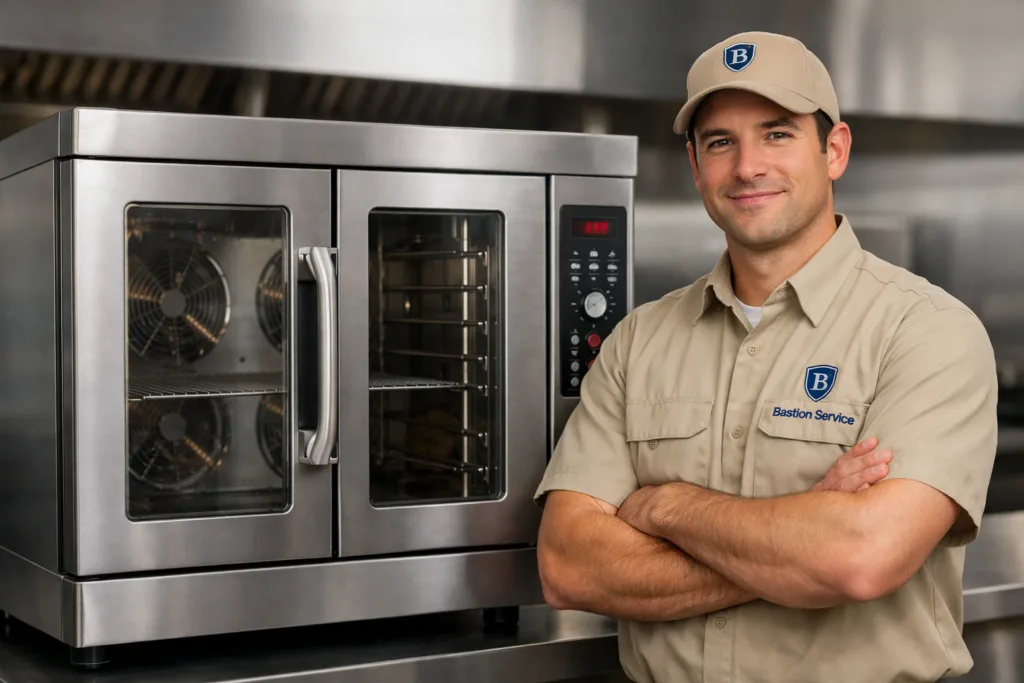




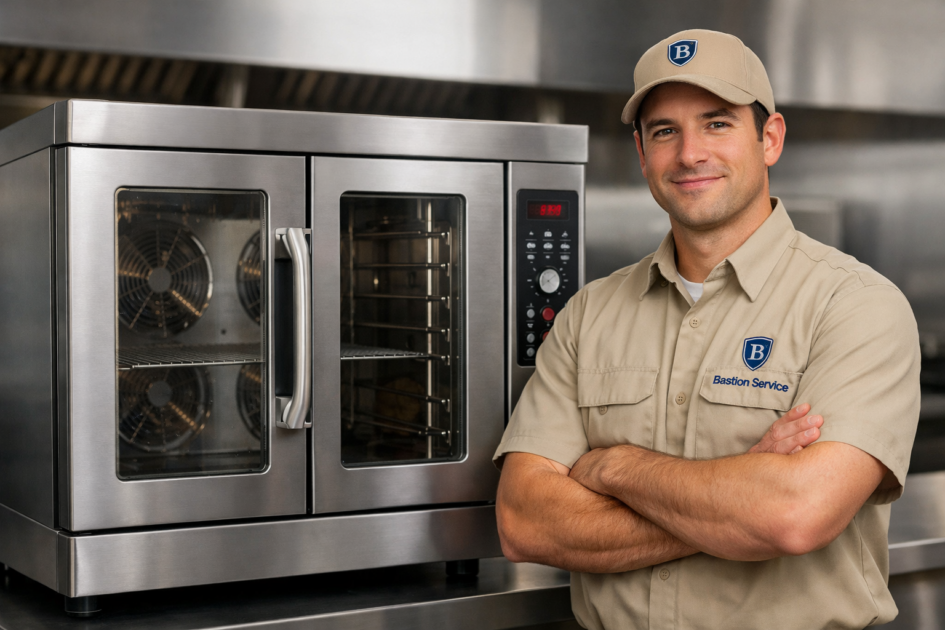
Blodgett cooking equipment is often expected to hold steady output through prep, service, and back-to-back production windows. When performance starts to drift, the issue usually shows up first as inconsistent food quality, longer ticket times, or staff having to compensate for equipment that no longer responds normally. In Beverly Hills kitchens, those early signs are worth addressing before they turn into shutdowns, wasted product, or avoidable disruption during peak hours.
For specific equipment paths in Beverly Hills, review Blodgett Oven Repair in Beverly Hills and Commercial Appliance Repair in Beverly Hills.
Blodgett cooking equipment problems that commonly interrupt service
Business operators often notice the same symptom patterns across Blodgett cooking equipment: slow preheat, uneven heating, missed temperature targets, ignition failure, weak burner performance, delayed recovery between loads, control problems, and unexpected stops during operation. Even when the complaint sounds straightforward, the underlying cause can vary widely.
For example, a unit that seems to run cold may have a temperature-sensing issue rather than a heating issue. A piece of equipment that lights inconsistently may be dealing with ignition wear, burner contamination, flame-sensing faults, or a control sequence problem. A shutdown during use may point to a safety-limit condition, an overheating component, unstable power, or a failing control board. Looking at the full symptom pattern matters because similar outcomes can come from very different failures.
What different symptoms can indicate
Heating unevenly or missing set temperature
When food is finishing too fast in one area and too slowly in another, or when the unit cannot hold the selected temperature, common possibilities include sensor drift, thermostat or control inaccuracy, airflow issues, weak heat output, or heat loss around the door area. In a high-demand kitchen, even a modest temperature error can affect batch consistency, cook times, and plating flow.
If staff are rotating pans more than usual, extending cook times to compensate, or seeing different results from one load to the next, the problem is usually already affecting production quality rather than being a minor inconvenience.
Ignition problems and burner-related issues
Delayed start-up, repeated clicking, failure to light, or flame loss during operation often point to problems in the ignition system, burner assembly, flame sensing, or control logic. These faults can start intermittently and become more frequent over time. What begins as an occasional rough start can progress into failed starts, mid-cycle interruptions, or reduced heating performance under load.
Burner-related issues also show up as weak recovery, unstable heat, or longer-than-normal preheat times. If the unit appears to be operating but service output keeps slowing down, burner performance is one of the first areas that should be evaluated.
Slow preheat and poor recovery between batches
Equipment that eventually reaches temperature but takes too long to get there can create a constant backlog in the kitchen. The same is true for units that preheat normally but struggle after the door has been opened repeatedly or after several consecutive loads. This often suggests reduced heat production, airflow problems, control issues, or loss of heat retention.
In practical terms, poor recovery leads to ticket delays, inconsistent results during rush periods, and added pressure on nearby equipment as staff try to make up for lost throughput.
Unexpected shutdowns or intermittent operation
If a Blodgett unit runs for part of the shift and then cuts out, the issue may involve a high-limit trip, a failing electrical component, heat-related control failure, or an intermittent supply problem. These faults are especially disruptive because they can disappear temporarily and then return under heavier use.
Intermittent shutdowns should be taken seriously because they are easy to misread. Replacing a visible part without confirming why the shutdown occurred can leave the root problem unresolved and extend downtime later.
Controls not responding normally
Buttons that do not register correctly, settings that change unexpectedly, displays that behave erratically, or cycles that do not run as selected can all indicate control-panel or board issues. In some cases, the symptom is tied to a deeper electrical fault rather than the interface itself. When controls become unreliable, staff may be working around the equipment instead of using it as intended, which usually lowers consistency and increases mistakes during service.
How these problems affect daily kitchen operations
Cooking equipment issues rarely stay isolated to the machine itself. A temperature problem can force longer cook times. A recovery problem can slow down every order behind it. An ignition fault can leave a line waiting for a unit to restart while labor and food timing fall out of sync. In a business setting, the cost of the problem is often tied as much to workflow disruption as to the failed part.
That is why symptom-based troubleshooting is so important. The goal is to understand whether the problem is related to heat generation, temperature feedback, controls, airflow, safety systems, or supply conditions, then match the repair plan to that actual cause.
When to stop using the equipment and schedule service
Service should be prioritized when the equipment cannot hold temperature, shows repeated ignition irregularities, shuts down during operation, heats unevenly enough to affect product quality, or causes repeated delays in production. These are not just performance annoyances. They are signs that the equipment is no longer operating predictably.
Continuing to use the unit can sometimes make the situation worse, especially if components are short cycling, overheating, failing to ignite cleanly, or compensating for another fault in the system. Staff may still be able to get output for a while, but that does not mean the equipment is stable enough for daily workload.
Repair versus replacement considerations
Many Blodgett equipment problems are repairable when the issue is isolated and the rest of the unit remains in solid operating condition. Repairs often make sense when the fault involves ignition components, sensors, switches, relays, fan-related parts, controls, or other serviceable systems and the equipment still supports the kitchen’s production needs.
Replacement becomes a more realistic discussion when failures are becoming frequent, downtime is recurring across multiple systems, structural condition is poor, parts support is limited, or the equipment no longer fits current output demands. The decision should be based on total operating value, not just on whether the latest part can be replaced.
What a service assessment should clarify
A useful assessment should explain what is actually failing, how that failure connects to the symptom staff are seeing, and whether the problem appears isolated or part of a broader wear pattern. For Blodgett cooking equipment, that may mean separating a sensor issue from a burner problem, distinguishing poor recovery from simple preheat delay, or identifying whether a shutdown is being triggered by safety conditions, controls, or power-related faults.
For businesses in Beverly Hills, that kind of diagnosis supports better decisions about timing, risk, and next steps. It helps operators determine whether the unit should be taken offline immediately, whether limited use is creating added risk, and whether the better path is targeted repair or a broader equipment evaluation. The objective is to restore stable performance that fits the pace of daily kitchen operations.
Supported Blodgett equipment coverage
Blodgett service needs often center on cooking equipment used heavily throughout the day, especially ovens that are expected to deliver consistent heat, recovery, and control response. Symptom-focused repair is particularly important when the equipment is central to menu timing, batch consistency, and shift throughput.
- Blodgett oven heating and temperature problems
- Ignition and burner performance issues
- Recovery delays between loads
- Control, sensor, and shutdown faults
- Uneven cooking and production inconsistency concerns


