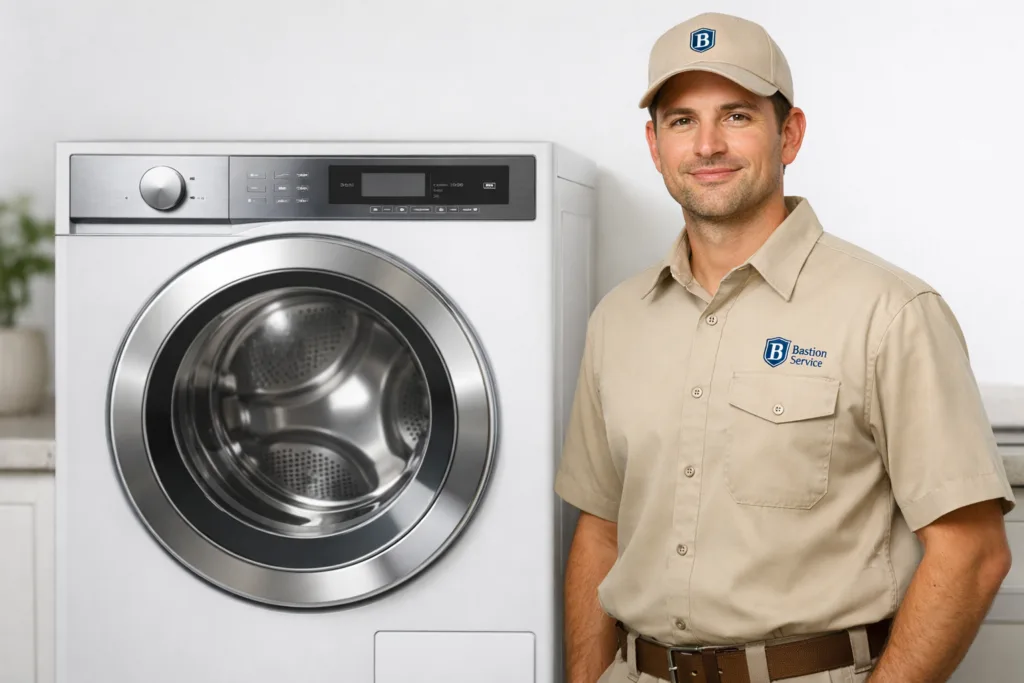
Dryer problems are easiest to solve when the symptom is matched to the system most likely causing it. With Asko units, issues that look similar on the surface can come from airflow restrictions, heating failures, sensor faults, door switch problems, drive wear, or control-related errors. For a household in Rancho Palos Verdes, that distinction matters because the right repair depends on what the machine is actually doing during a cycle.
Common Asko dryer symptoms and what they usually suggest
Most dryer service calls begin with one of a handful of recognizable complaints. Paying attention to how the appliance behaves can help narrow the problem faster and make the repair decision more straightforward.
Runs but does not heat
If the drum turns and the cycle appears normal but clothes come out cold or damp, the problem may be in the heating circuit, thermal protection, temperature regulation, or incoming power. In some cases, the dryer tumbles normally while never reaching drying temperature. In others, it may heat briefly and then stop producing heat partway through the cycle.
This symptom can also overlap with airflow trouble. A partially restricted exhaust path may cause the dryer to overheat internally and trip protective components, leaving the machine running without consistent heat.
Long dry times
When loads need two or three cycles to finish, airflow is one of the first things to consider. Poor venting, lint buildup, crushed ducting, or weak air movement can keep moisture from leaving the drum efficiently. Moisture sensor issues can also cause cycles to run poorly, especially if the dryer ends at the wrong time or seems unable to judge when fabrics are dry.
Homeowners often notice this first with towels, bedding, or mixed loads that used to dry in one cycle. Longer run times also increase wear on moving parts and raise energy use.
Will not start
An Asko dryer that does nothing when the start button is pressed may have a door latch problem, switch failure, control issue, power supply problem, or motor-related fault. If lights or the display come on but the dryer will not tumble, the failure may still be mechanical rather than purely electronic.
This is one of the more important symptoms to diagnose carefully because replacing a visible part without confirming the cause can miss the actual fault.
Noise, vibration, or scraping sounds
Dryers should not become noticeably louder over time. Thumping can point to support wear or imbalance. Squealing may indicate friction in moving components. Scraping or grinding can suggest drum support issues, worn internal parts, or an object caught where it should not be.
If the sound changes from occasional to constant, it is smart to stop using the dryer until it is inspected. Continued operation can turn a smaller mechanical repair into damage affecting the drum, belt path, or motor area.
Stops early or behaves inconsistently
A dryer that shuts off before clothes are dry, overheats, displays error behavior, or works differently from one load to the next often has a regulation problem rather than a simple heating failure. Sensors, control communication, airflow conditions, and temperature monitoring can all create inconsistent results.
Intermittent complaints are especially frustrating because the machine may appear normal during part of a cycle. That makes symptom history important, including whether the issue happens with every load or only under certain conditions.
Why airflow matters more than many homeowners expect
Airflow problems are a common reason dryers underperform even when major components are still functional. A dryer needs to move heat and moisture out of the system efficiently. When that path is restricted, drying times increase, temperatures can become unstable, and protective devices may shut the machine down.
Signs that often point toward airflow trouble include:
- Clothes feel hot but remain damp
- The cabinet or laundry area becomes unusually warm
- Cycles take much longer than normal
- The dryer seems to overheat and then stop
- Performance is worse with larger or heavier loads
Because airflow issues can imitate heating or sensor failures, they should be considered before assuming a major internal part has failed.
Signs the dryer should not keep running
Some symptoms are more than an inconvenience. If you notice a burning smell, scorched fabric, very high cabinet heat, loud metal-on-metal noise, or repeated shutoffs during normal loads, it is best to stop using the dryer until the cause is identified.
The same applies if the drum feels rough, unstable, or difficult to turn by hand when the unit is off. Those conditions can indicate mechanical wear that may worsen quickly with continued use.
What helps determine whether repair makes sense
Repair is often reasonable when the problem is isolated, the dryer has otherwise been dependable, and the cabinet, drum, and major internal systems remain in good shape. A single failed component, airflow correction, or limited mechanical repair may restore normal performance without much uncertainty.
Replacement becomes more likely when several systems show wear at once, when control or drive problems are recurring, or when a new repair would be layered on top of an appliance with a history of unresolved issues. The age and overall condition of the dryer matter, but so does the nature of the current failure.
For many homes in Rancho Palos Verdes, the most useful path is to diagnose the exact fault first, then weigh the expected durability of the repair against the condition of the machine as a whole.
Preparing for a service visit
A little symptom detail can make a dryer appointment more productive. Before service, it helps to note:
- Whether the dryer heats at all, heats weakly, or heats and then stops
- Whether the drum tumbles normally
- How long drying has been taking compared with usual loads
- Any noises, smells, or vibration that are new
- Whether the problem happens on every cycle or only sometimes
- Any error display or unusual control behavior
That information can help connect the symptom pattern to the likely system involved and reduce guesswork.
Household impact of waiting too long
Dryer problems rarely stay exactly the same. A unit that is only drying slowly today may begin overheating tomorrow. A light squeal can become a grinding noise. A machine that occasionally stops early may eventually fail to start at all.
When laundry starts stacking up, it is tempting to keep running extra cycles and hope the issue stays manageable. In practice, that often adds strain to the appliance and makes the eventual repair less predictable. Addressing the problem while the symptom is still specific usually gives a better chance of a targeted fix.
Asko dryer repair focused on the actual symptom
Good service is not just about getting the dryer to run again for a day or two. It is about identifying whether the issue is tied to heat production, moisture sensing, airflow, startup controls, or internal wear, then deciding on the repair path that makes sense for the appliance. For homeowners in Rancho Palos Verdes, that approach helps restore normal laundry use with fewer surprises and a better understanding of what the dryer needs next.