
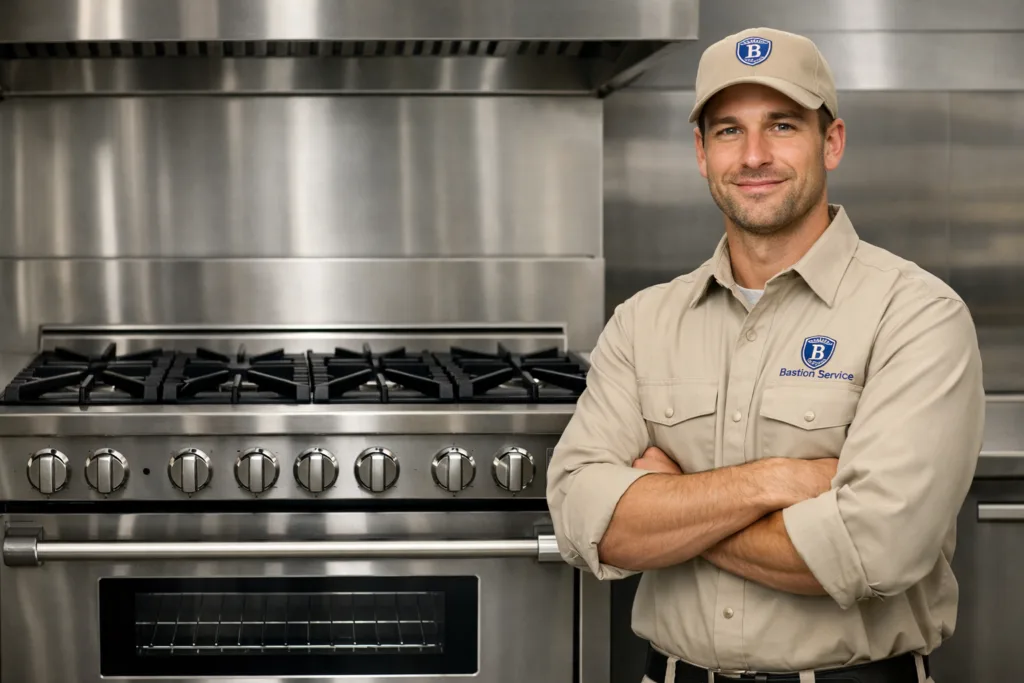




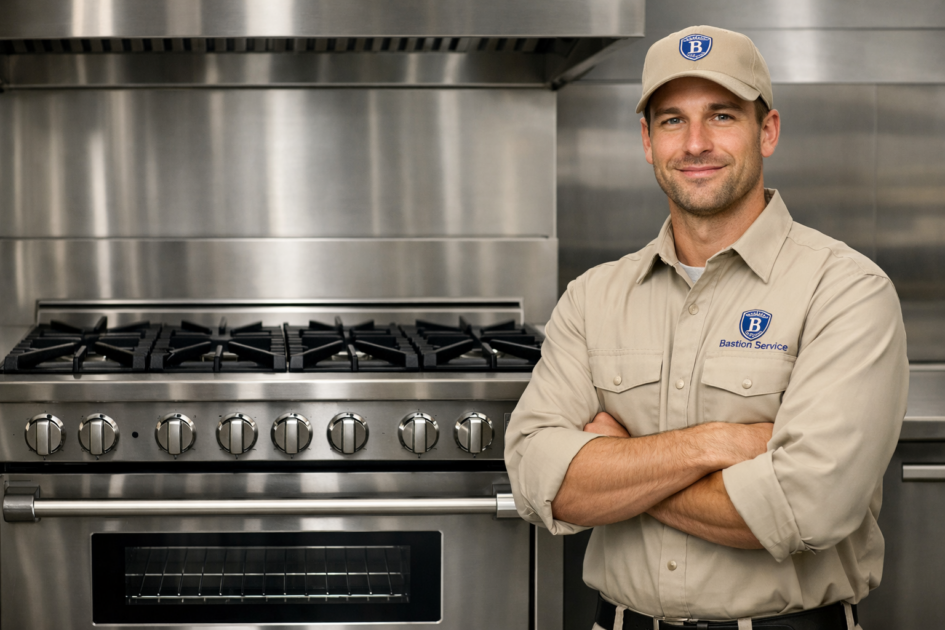
Range problems can interrupt prep, slow ticket times, and force staff to work around heat or ignition issues that should be handled directly. For businesses in Marina del Rey, the most productive next step is to schedule service based on the exact symptom pattern, how often the problem appears, and whether the unit is still safe to operate. Bastion Service works on Wolf range issues with a service-first approach focused on diagnosis, repair planning, and reducing avoidable downtime.
Related commercial service paths in Marina del Rey include Wolf Commercial Repair in Marina del Rey, Wolf Oven Repair in Marina del Rey, and Wolf Fryer Repair in Marina del Rey.
What Wolf range symptoms usually point to
Many range failures look similar at first. A burner that clicks but does not light, an oven that drifts off temperature, or a unit that heats inconsistently during a rush can come from different underlying faults. That is why service should be based on what the range is doing in real use rather than on assumptions about a single part.
On Wolf equipment, common trouble areas can include ignition components, burner assemblies, temperature sensors, control systems, valves, wiring, switches, and heat-stressed electrical parts. In some cases, grease buildup, wear, or repeated strain during daily operation can contribute to the failure pattern.
Ignition problems, clicking, and burners that will not stay lit
If a burner clicks repeatedly, lights slowly, or goes out after ignition, the issue may involve the igniter, electrode, spark module, switch, wiring, flame-sensing behavior, or gas flow through the burner assembly. Similar symptoms can also appear when the burner is contaminated or not distributing flame correctly.
These issues matter because they affect more than convenience. Unreliable ignition can slow line work, create uneven heat at the cooking surface, and lead staff to keep retrying a burner that is not operating normally. If there is any persistent gas odor, the range should not continue in use until the situation is checked safely.
Signs the ignition issue is getting worse
- Clicking continues after the burner should be lit
- The burner lights only on some attempts
- Flame appears uneven around the burner head
- Staff have to relight the same burner repeatedly
- One burner performs differently from the others under the same workload
Oven heating issues and temperature swings
When the oven section of a Wolf range is running hot, cold, or inconsistently, the root cause may be a sensor problem, calibration drift, control fault, weak ignition, relay issue, or another heating-related failure depending on the configuration. In a business setting, temperature inconsistency usually appears as longer cook times, poor product repeatability, or batches that do not finish the same way from one cycle to the next.
Temperature complaints should be evaluated early. Continued use of an oven that is overshooting or falling short can affect food quality, increase waste, and put extra strain on surrounding workflow when staff start compensating manually.
Common oven-related complaints
- Preheat takes longer than normal
- The cavity reaches temperature, then drops too far during cooking
- The oven does not recover well after the door is opened
- Product browns unevenly or finishes unpredictably
- The displayed setting does not match actual cooking results
Weak flame, uneven heat, and poor cooking performance
A Wolf range that still operates but no longer delivers stable heat often shows symptoms before it fully fails. Burners may look weaker than usual, pans may take too long to come up to temperature, or heat output may vary from station to station. These signs can point to burner wear, partial blockage, valve issues, regulator-related problems, or supply and control faults affecting performance.
In Marina del Rey kitchens, this kind of issue often shows up as reduced production speed rather than a complete shutdown. That can make the problem easy to delay, but reduced burner performance usually means the unit is no longer operating the way it should and should be tested before the fault spreads or becomes harder to diagnose.
Control failures and intermittent operation
Some service calls involve a range that behaves unpredictably. It may lose heat during operation, respond inconsistently at the controls, cycle abnormally, or fail only after the unit has been running for a while. Intermittent symptoms are especially important because they often point to electrical or control-related failures that worsen with heat, vibration, or continued daily use.
Possible causes can include failing boards, worn switches, loose wiring connections, damaged harnesses, relay issues, or internal components that begin failing once the range reaches operating temperature. When the problem is intermittent, good service notes from the kitchen team can help narrow the diagnosis.
Helpful details to note before service
- Which burner or oven function is affected
- Whether the issue happens at startup, during preheat, or under heavy use
- Any unusual clicking, delayed ignition, or shutdown pattern
- Whether the problem is constant or comes and goes
- How long the issue has been getting worse
When to stop using the range and book repair
Service should be scheduled when the range cannot be counted on for normal production, when ignition is unreliable, when oven performance is drifting, or when staff have built daily workarounds around the same malfunction. A unit does not need to be fully down to justify repair. If it is affecting output, consistency, or safe operation, it is already a service issue.
It is usually best to stop normal use and arrange repair if the range is showing any of the following:
- Repeated ignition failure
- Burners dropping out during use
- Temperature swings that affect finished product
- Controls that do not respond consistently
- Unexpected shutdowns, tripping, or unstable heating behavior
Repair or replace?
Not every Wolf range problem points to replacement. Many calls involve isolated repairable faults such as ignition components, sensors, switches, valves, wiring problems, or control failures. The better decision depends on the condition of the unit as a whole, the number of systems involved, expected downtime, and whether the range still fits the kitchen’s operating needs.
Repair often makes sense when the problem is limited to one area and the rest of the machine remains structurally sound and worth keeping in service. Replacement becomes more likely when failures are stacking up across several functions, reliability has dropped sharply, or repeated repairs no longer support stable daily operation.
How businesses can prepare for a faster service visit
A little preparation can make the repair process more efficient. If possible, have the model information available, note which sections of the range are affected, and be ready to describe whether the symptom is constant or intermittent. It also helps to identify when the problem first appeared and whether it worsens during peak cooking periods.
For businesses in Marina del Rey, the goal of a service call is straightforward: identify the fault, explain the likely repair path, and get the range back to reliable operation with the least disruption possible. If your Wolf range is not lighting, heating evenly, or holding temperature, scheduling service promptly is usually the best way to limit downtime and avoid a more expensive failure later.


