
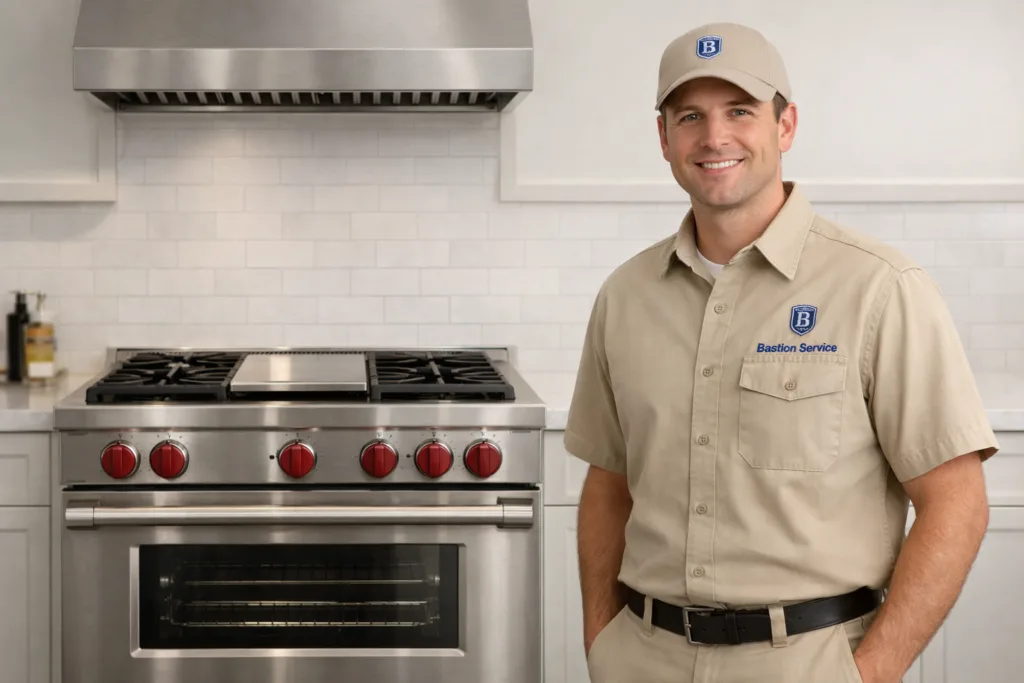




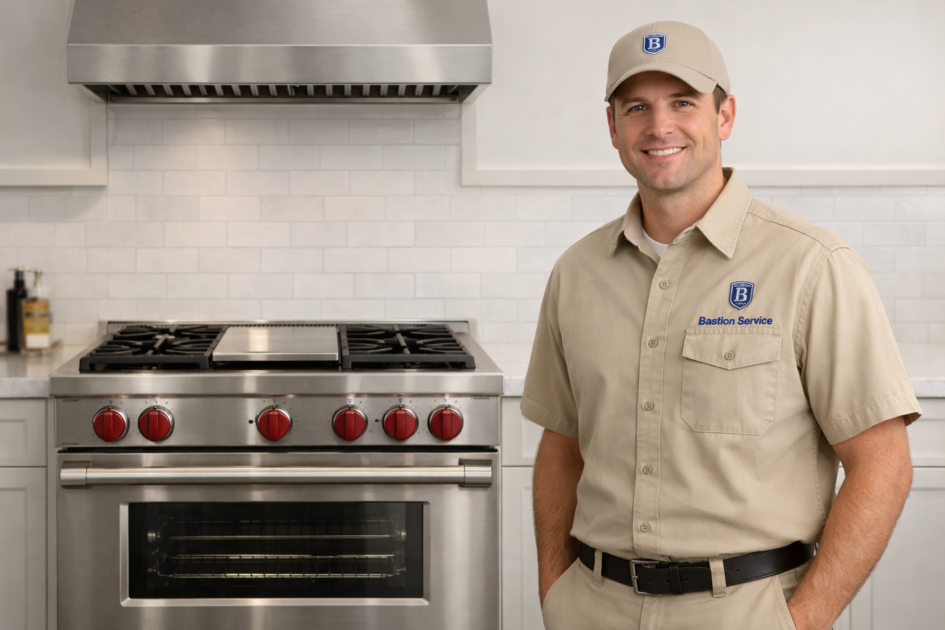
Heating problems, ignition failures, and erratic controls rarely have a single obvious cause in a premium cooking appliance. What matters most is matching the symptom to the system behind it. In many West Los Angeles homes, that means looking beyond the first visible issue and checking whether the problem starts with ignition, temperature sensing, electronic controls, power supply, or a worn heating component.
For specific Wolf appliance paths in West Los Angeles, review Wolf Oven Repair in West Los Angeles, Wolf Wall Oven Repair in West Los Angeles, and Wolf Range Repair in West Los Angeles.
How Wolf cooking appliances typically start showing trouble
Most breakdowns do not begin as a complete failure. A burner may click longer than usual before lighting. An oven may take noticeably longer to preheat. A range may seem normal one day and inconsistent the next. These early signs are important because they often point to components that are weakening rather than fully failed.
Wolf appliances are designed for steady cooking performance, so recurring changes in temperature, flame behavior, or control response usually mean something in the system is no longer operating within normal range. A symptom-based inspection helps separate a simple serviceable issue from a larger problem affecting multiple functions.
Common symptoms by appliance type
Cooktops
Cooktop issues often show up as one burner not lighting, repeated clicking after ignition, uneven flame, weak heat output, or controls that do not respond as expected. On gas models, the cause may involve burner caps, ignition switches, spark modules, clogged ports, or moisture affecting the ignition path. On electric models, the issue may be tied to an element, wiring connection, or control fault.
If one burner behaves differently from the others, that detail helps narrow the repair direction. If all burners start acting irregularly, the problem may be more related to shared controls or incoming power than to a single burner assembly.
Ovens
Oven complaints usually center on slow preheating, uneven baking, inaccurate temperatures, failure to start, or heating that cuts in and out during a cycle. These symptoms can come from a weak igniter, a failing bake or broil component, a temperature sensor drifting out of range, a relay problem, or an electronic control issue.
Uneven cooking is especially easy to misread. A homeowner may assume the oven simply needs recalibration, but the real issue can be inconsistent heat production or poor sensor feedback. When food browns unpredictably or cooking times stop matching past results, the appliance needs more than guesswork.
Ranges
A range combines surface burners and oven systems in one unit, which means symptoms can overlap. You may see burner ignition problems while the oven also struggles to maintain heat, or the top may function normally while the oven section intermittently stops heating. In some cases, the failures are unrelated. In others, they trace back to a shared electrical or control problem.
Because ranges involve several systems at once, it helps to note exactly which functions are failing and whether the issue happens under the same conditions each time. That pattern often says more than the appliance simply being described as “not working right.”
Wall ovens
Wall ovens often reveal problems through long preheat times, stopped cycles, display errors, cooling fan issues, or doors that do not seem to close or seal correctly. Since wall ovens are built into the kitchen, homeowners often first notice the problem through meal timing rather than a dramatic breakdown. If the oven suddenly takes much longer to reach temperature or shuts off before cooking is complete, the fault may involve sensors, door-related components, controls, or heat-generating elements.
Signs the problem is getting worse
Some symptoms can be monitored briefly, but others should not be ignored. It is usually time to stop normal use and arrange service when you notice:
- Repeated clicking without proper burner ignition
- Burners heating far higher or lower than the control setting suggests
- Oven temperatures swinging enough to affect cooking results
- Error codes that return after resetting power
- Controls that respond inconsistently or not at all
- Cycles that stop unexpectedly
- Breaker trips associated with appliance use
Intermittent faults are still real faults. A component that works only part of the time is often on its way to complete failure, and continued use can create additional wear on related parts.
Safety issues that should be treated as urgent
Performance matters, but safety comes first with any cooktop, oven, range, or wall oven. If an appliance is overheating, sparking, tripping the breaker, or failing to ignite normally, it is best to stop using it until the cause is identified. If there is a persistent gas odor, discontinue use immediately and address the safety concern before thinking about repair scheduling.
Even when there is no immediate hazard, unreliable ignition and unstable temperature control should not be treated as minor inconveniences. They can affect both cooking results and the condition of the appliance over time.
Repair or replacement: how homeowners usually decide
Many Wolf problems are still worth repairing when the appliance is otherwise in good condition and the issue is limited to a defined part or system. Igniters, sensors, switches, heating components, fans, and certain control-related failures are often straightforward repair candidates once the real cause has been confirmed.
Replacement deserves more serious consideration when the appliance has multiple major failures, has already needed repeated repairs in a short period, or shows broader wiring or heat damage. Built-in configurations also affect the decision, since keeping the existing appliance in place can be more practical if the fault is isolated and repairable.
The key is avoiding assumptions based on one symptom alone. A burner that will not light may be a relatively contained repair. An oven that heats poorly could involve several possible systems. The decision becomes easier once the failure is clearly identified.
What a useful service evaluation should tell you
A worthwhile diagnosis should explain what failed, how that failure connects to the symptoms you are noticing, and whether continued use could make the issue worse. It should also distinguish between the primary problem and the secondary effects it creates. For example, poor oven results may begin with an ignition or sensing problem, while nonstop cooktop clicking may involve more than the visible burner parts.
For homeowners in West Los Angeles, that kind of repair planning is what turns an annoying appliance problem into a manageable next step. Whether the issue is on a cooktop, oven, range, or wall oven, understanding the symptom pattern first usually leads to a faster and more sensible repair decision.



